For Triad-area property owners and developers

Choosing a General Contractor Organization in the Triad

Your contractor choice will shape schedule, cost, and stress from the first phone call through final cleanup. This guide explains how general contractor organizations typically fit into a project, what to verify before you sign, and how to think about using a site-focused contractor when your plans involve excavation, grading, drainage, and underground utilities in the Triad area.

Main website image
The short answer

What matters most

To choose a general contractor organization in the Triad area, start by writing down what you plan to build, where it will sit on the property, and which parts of the work you want the contractor to manage. Then, for each organization you consider, compare three items in writing: their experience with projects like yours, a clear description of scope and responsibilities, and how communication and scheduling will work day to day. If your project depends heavily on site work such as excavation, grading, drainage, or underground utilities, decide whether you want that handled by the same general contractor or by a dedicated site development contractor. Triad Excavation positions its equipment, crews, and scheduling to serve residential and commercial projects throughout the Triad region from its North Carolina base, which is an example of the kind of regional organization you can look for when you evaluate providers for your own project.

Decide early whether you want a full-service general contractor, a site-focused contractor, or a combination, and write down who you expect to handle each part of the work.
Evaluate contractor organizations based on clear evidence of work similar to your project, not just on the lowest price.
Insist on a written scope that spells out excavation, grading, drainage, underground utilities, and other key tasks so there are no hidden assumptions.
Ask potential providers how your Triad-area project fits into the region they regularly serve and how they organize crews and equipment for work there.
Use responsiveness, clarity, and honest schedule explanations during early conversations as signals of how a contractor will manage your project once it starts.
Main website image
A useful way to think about it

Understanding General Contractor Organizations in the Triad

Before you compare proposals, it helps to understand what a general contractor organization does, how that differs from a site-focused contractor, and how those roles can be combined or separated for Triad projects.

What a General Contractor Organization Does

A general contractor organization typically coordinates the overall sequence of work on a construction or major site project. They take your goals and drawings and translate them into defined tasks, then organize crews, subcontractors, materials, and inspections so those tasks happen in the right order. On a Triad-area job, that overall coordination can include arranging excavation and grading, connecting with underground utility installation, and preparing the site so other trades can work efficiently. Some organizations emphasize full building construction, while others focus on the site development phase that brings a property from raw land to a stable, build-ready condition. Knowing which type you are talking to helps you judge whether they fit the stage your project is in right now.

How Site-Focused Contractors Fit Into the Picture

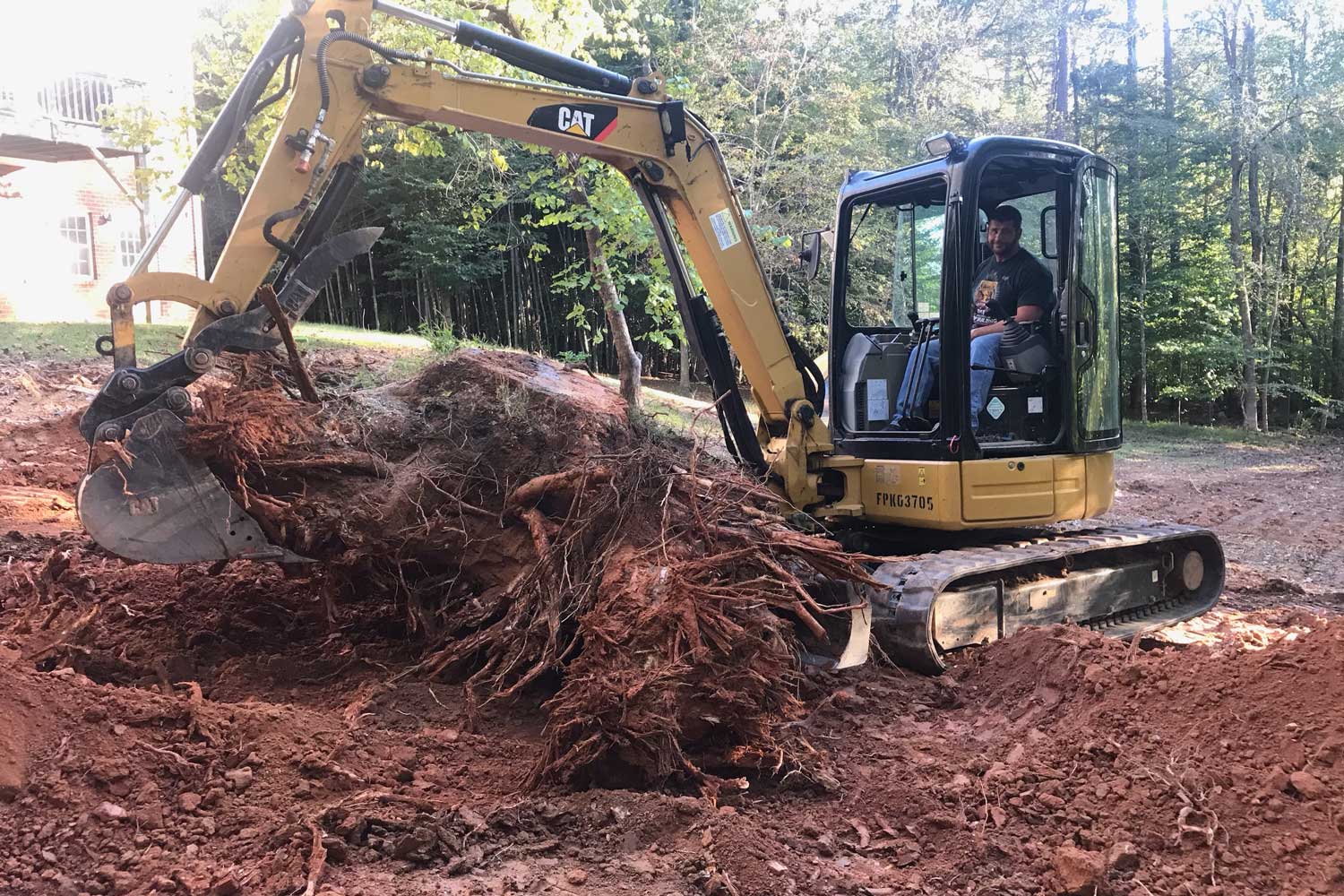
Many projects combine a general contractor with a site-focused contractor that specializes in preparing the land. Apex Excavating & Construction Services is an example of a site-focused provider: it offers land clearing, grading and leveling, drainage solutions, site development, underground utility installation, and demolition contracting for residential and commercial customers. For your project, you can either ask a general contractor to manage this site work on your behalf or hire a site specialist directly and coordinate with a building contractor later. In either case, make sure everyone involved understands who is responsible for land clearing, grading, drainage, and utilities so there are no gaps between teams.

Project Types That Depend on Solid Site Work

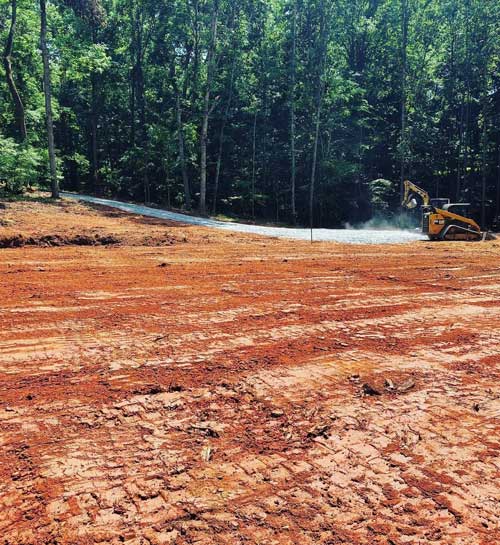
Across the Triad, general contractor organizations are often hired for projects that rely heavily on good site preparation. Examples include new homes or additions on uneven land, commercial buildings that need stable parking and service areas, and redevelopment sites where existing structures must be removed before new work can start. In all of these cases, the quality of land clearing, grading, drainage solutions, and underground utility installation shapes what is possible later. When you interview potential contractors, ask them to walk you through past projects where they coordinated site work from early clearing through a build-ready pad, and compare those descriptions with what your own property will need.

Decision guide

How to Narrow Your Shortlist and Make a Confident Choice

Once you have a few realistic options, use a clear set of decision factors so you are not choosing on price alone. These angles help you see which contractor is best prepared to handle your specific project in the Triad area.

Define Responsibilities Before You Gather Bids

Clarity about who does what makes comparing contractors much easier. Decide whether you want one organization to manage the entire process or if you are open to hiring a separate site-focused contractor for work such as land clearing, grading, drainage, and underground utilities. Write down which tasks you expect each party to handle and share that outline with every bidder. That way, each proposal can address the same scope, and you are less likely to discover that critical items like drainage improvements or utility trenching were assumed but never actually priced.

Judge Experience by Relevant Work

Years in business only help if they include projects like yours. Apex Excavating & Construction Services reports over 30 years of experience specializing in residential and commercial site development, excavation, and grading. Use that as a benchmark for the kind of information you ask from any contractor: what types of projects they specialize in, which services they provide directly, and how often they handle work similar to your plans. Ask them to describe recent jobs that match your size and complexity so you can see whether their experience lines up with your needs.

Use Communication to Separate Close Options

When you have two or three contractors that all seem technically capable, pay attention to communication. Notice how promptly they return calls or emails, whether they give straightforward answers to questions, and how clearly they explain next steps. Ask how they will keep you updated during the job, who your main point of contact will be, and how schedule changes will be discussed. A contractor that is organized and clear at the estimate stage is more likely to stay organized and clear once work begins.

Check Schedule Promises Against Practical Limits

Availability matters, but schedule promises should still make sense. When a contractor offers a start date for your Triad-area project, ask what assumptions are built into that timeline. Find out what information they need from you before they can begin, how long they expect different phases to take, and what could delay the work. A realistic provider will explain which dates are firm, which are estimates, and how they will handle unavoidable changes. That level of detail is a healthier sign than an optimistic date with little explanation behind it.

Evidence and expectations

Evidence You Can Check Before You Commit

You do not have to take a contractor’s claims at face value. There are specific types of proof you can look for, including examples from providers active in the Triad region.

Defined Focus on Site Development Services

Apex Excavating & Construction Services describes itself as a contractor focused on complete site development for residential and commercial projects in the Greensboro area. Its services include land clearing, grading and leveling, drainage solutions, site development, demolition contracting, and underground utility installation. For property owners, that kind of clear service list makes it easier to see where a contractor fits into your project and which parts of the site work they are prepared to handle directly.

Decades of Excavation and Grading Experience

The company reports having over 30 years of experience specializing in residential and commercial site development, excavation, and grading. When you evaluate any contractor, look for similar concrete statements about their history with the types of work you need. Ask how long they have been providing those services and how that experience is reflected in the way they plan and run projects today.

Operations Organized Around the Triad Region

Triad Excavation states that it serves residential and commercial customers throughout the Triad area of North Carolina from its base in the region. It notes that it positions its equipment, crews, and scheduling around Triad communities, treating this broader area as a core service region rather than an occasional market. When you talk with any potential provider, ask them to describe their own service area in similar terms so you understand how your project fits into the places they regularly work.

Main website image
Main website image
Local context · Triad Area

How the Triad Service Area Affects Your Choice

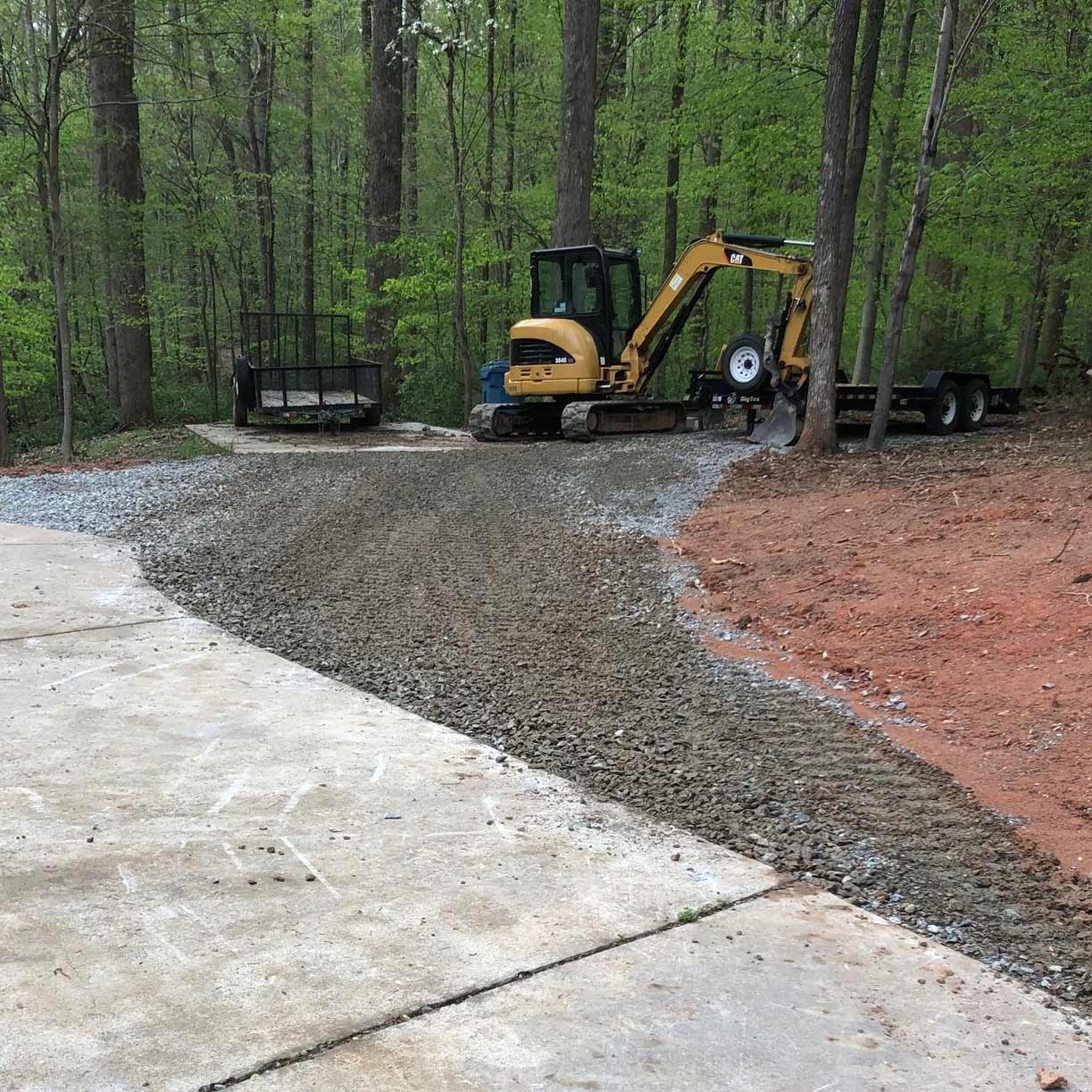
Triad-area projects are often managed by contractors that organize their crews and equipment around this broader region, rather than treating it as an outlying market. Triad Excavation notes that it serves residential and commercial customers throughout the Triad from its North Carolina base and focuses its scheduling around Triad communities. When you speak with any potential general contractor or site-focused provider, ask how often they work in your part of the Triad and how they plan site visits, mobilization, and ongoing work within their service area. That conversation helps you judge whether they can visit your property promptly, respond to issues during the job, and coordinate your project efficiently within the region they already serve.

Questions worth asking

Questions Triad Property Owners Commonly Ask

As people move from research into actual conversations with contractors, a few practical questions tend to come up. These answers build on the ideas in this guide and help you prepare for your own calls and meetings.

Should I hire one general contractor for everything or separate site and building contractors?

Both approaches are used on Triad projects. Hiring one general contractor organization to manage everything gives you a single point of contact, and they can then bring in site specialists as needed. In other cases, owners or developers hire a site-focused contractor directly for land clearing, grading, drainage, and underground utilities, and then bring in a building contractor once the site is ready. Ask each organization how they prefer to structure roles and whether they are comfortable coordinating with other contractors you may choose.

How early should I contact a contractor for a Triad-area project?

Start conversations as soon as you have a basic idea of what you want to build and where it will go on your property, even if your drawings are not final. An early call gives a contractor time to review your site information, suggest a sequence for site preparation and building work, and discuss when your project might fit into their schedule. Waiting until you hope to start within a few weeks often means fewer options and more pressure on decisions.

What information should I have ready before I call a general contractor?

You do not need a full set of engineered plans to make a productive first call, but some basics help. Be prepared to share your property location, describe how the land looks today, and outline what you are trying to build or improve. Gather any surveys, sketches, or photos you already have so they can be reviewed quickly. Think through any firm deadlines or constraints, such as move-in dates or financing timelines, so a contractor can give feedback that matches your reality.

How do I compare proposals from different general contractor organizations?

First, make sure each proposal covers the same scope. If one includes demolition, land clearing, grading, drainage solutions, and underground utilities while another only addresses part of that list, the totals will not be directly comparable. Ask each contractor to spell out inclusions, exclusions, and assumptions in writing. Then compare how clearly they describe sequencing, responsibilities, and how changes will be handled. Use those details, not just the bottom-line price, to decide which provider has thought through your project most carefully.

What should I ask about drainage and underground utilities specifically?

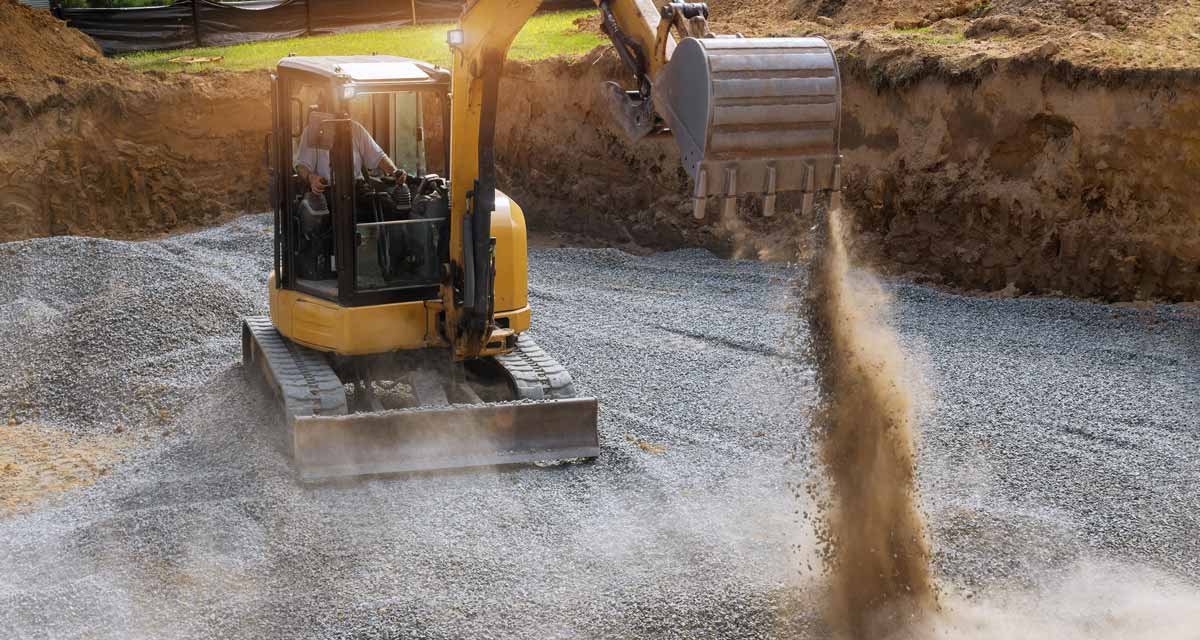
Drainage and underground utilities are areas where unclear language can lead to surprises. Ask contractors how they evaluate water flow across a site and whether their proposal includes grading or drainage features intended to protect structures and paved areas. For underground utilities, ask which lines are included, how they will be installed, and how they will be coordinated with other site work. Since Apex Excavating & Construction Services offers both drainage solutions and underground utility installation as part of its site development services, you can use that kind of combined-scope approach as a reference when asking other providers to explain how they handle these tasks.

Your next step

Ready to Talk Through Your Triad Project?

If you are planning excavation, grading, drainage, underground utilities, or broader site development in the Triad area, a direct conversation with a contractor who already serves the region can clarify your options quickly. Apex Excavating & Construction Services, based in Stokesdale, NC, provides land clearing, site development, grading and drainage solutions, and underground utility installation for residential and commercial property owners and developers in the Greensboro area. You can call 336-314-0272 or reach out online to discuss your property, share any drawings or ideas you have, and see whether your project is a good fit for their services.

Main website image