Planning a build or major site work?

Choosing the Right General Contractor Organization

Your contractor choice will shape schedule, cost, and stress. This guide explains how general contractor organizations typically work, how they differ from focused site development contractors, and what you should verify before you sign anything in the Greensboro/Triad area.

Main website image
The short answer

What matters most

To choose the right general contractor organization, start by writing down what you are planning to build, where it will sit on your property, and which responsibilities you want the contractor to handle. Then ask each candidate to spell out, in writing, their scope of work, schedule assumptions, and how they handle budgeting, communication, and changes during the project. Verify appropriate licensing and insurance for the type of work you need, and ask for references from similar projects you can contact directly. In the Greensboro area, some owners hire a single general contractor for the whole build, while others work with a site development contractor such as Apex Excavating & Construction Services for land clearing, site development, grading and drainage solutions, and underground utility installation, alongside a separate building contractor. The right fit is the team that can clearly explain, on paper, how your project will move from raw land to finished space before any equipment shows up on site.

Decide whether you need a full-service general contractor to manage the entire build, a focused site development contractor, or a combination of both.
Document your project in writing—including site conditions, desired timeline, and basic layout—before requesting estimates from any contractor organization.
Clarify which site development tasks you need, such as land clearing, grading, drainage work, or underground utilities, and who will be responsible for each one.
Compare written scopes, assumptions, and how unknowns are handled, not just total price, when you review contractor proposals.
For projects in Greensboro and the broader Triad, consider locally active contractors such as Apex Excavating & Construction Services for site work, since they already serve property owners and developers in this region.
Main website image
A useful way to think about it

How general contractor organizations work and what that means for you

Many owners hear they “need a general contractor” without being clear on what that contractor actually organizes, or how that differs from hiring focused site work specialists. Understanding those roles first makes every later decision easier.

Start with role: full general contractor or focused site work?

“General contractor organization” is a broad label. Some firms manage an entire project, coordinating multiple trades and phases from early planning through completion. Others focus on a specific segment, such as excavation and site development, and work alongside a separate builder or construction manager. Before calling anyone, write down exactly what you expect this organization to handle. Do you want one company to coordinate the full build, or primarily to prepare the site through land clearing, grading, drainage, and underground utilities so the land is truly build-ready? Being explicit about which role you are trying to fill helps you compare similar providers instead of mixing full-build contractors with highly specialized site work teams in the same conversation.

Define your project in plain language—and on paper

Cost and schedule questions only become meaningful when the contractor understands what you are trying to accomplish. For a useful conversation with any contractor organization, you will need at least a basic written description. Note the property location, what you are building or expanding, approximate size, and where it will sit on the land. If you have drawings, surveys, or even a rough sketch, gather those into a single folder. Think through access for equipment, desired start and completion windows, and any known issues such as wet areas, steep slopes, or existing utilities. A clear project description leads to more accurate estimates and makes it easier to see which contractors ask thoughtful follow-up questions.

Clarify who will handle site development tasks

Most projects require some combination of land clearing, grading, drainage work, and underground utilities before building can move ahead. Those tasks can be handled by your general contractor, a dedicated site development contractor, or a mix of both. Before you start comparing organizations, list the site-related items you know you need, such as tree and brush removal, shaping grades, addressing water flow, or installing utility lines. During conversations, ask each contractor which of those tasks they offer directly and which they expect another party to handle. That simple list will help you spot gaps or overlaps early, rather than discovering later that essential site work was never clearly assigned to anyone.

Decision guide

Making confident choices about contractor fit, scope, and timing

Once you understand the basic roles, you still have to choose a specific organization. Use these decision tools to narrow your list, avoid common pitfalls, and match the right type of contractor to your project and risk tolerance.

Choosing full-service GC, site-focused contractor, or a mix

Different projects use different organizational models. A full-service general contractor may make sense for a new commercial building or a complex residential build where you want one primary point of coordination. In that case, ask which portions of the work they self-perform and which they subcontract, including excavation, grading, drainage, and utilities. Other owners work directly with a site development contractor, then bring in a separate builder once the land is ready. Apex Excavating & Construction Services, for example, provides land clearing, site development, grading and drainage solutions, and underground utility installation for residential and commercial property owners and developers in the Greensboro area. As you interview firms, ask which model they are comfortable working in and how they coordinate with other contractors so responsibilities do not fall through the cracks.

Spotting organizational red flags before you commit

Certain patterns in proposals and conversations can signal problems with how a contractor is organized. Be cautious if you see vague or incomplete written scopes, unclear start and finish expectations, or reluctance to specify what information they need from you before work can begin. Other warning signs include difficulty producing references, inconsistent information between verbal conversations and written proposals, or pressure to move forward before you have at least basic plans or a site description. If you anticipate excavation, grading, or underground utility work, be wary of contractors who are unwilling to look at surveys, drawings, or site photos before quoting. Well-run organizations welcome detailed questions and put key agreements in writing.

Information to gather before you start calling contractors

You will get more out of every phone call or site visit if you prepare a short packet of information first. At minimum, have your property address or parcel ID, any existing survey, and a description of the planned structure or improvements. Note any known easements, existing driveways or utilities, and constraints you are already aware of. For site work and excavation, photos are very helpful. Take wide shots from multiple angles and close-ups of drainage concerns, low spots, or existing structures you may want removed. Create a simple timeline showing your desired start date and any firm milestones, such as financing or lease deadlines. Sharing the same information with each contractor lets you compare their questions, recommendations, and proposals on a fair basis.

Comparing proposals on total value, not just line-item price

Once you receive multiple proposals, avoid focusing only on the bottom-line number. Instead, compare what is actually included. Look at how thoroughly the scope is described, which tasks the contractor will perform, and what assumptions or exclusions are called out. Pay attention to how they handle unknowns like buried debris, unsuitable soils, or hidden utilities for excavation and grading work. Ask who is responsible for addressing those conditions if they are encountered and how pricing will be adjusted. Review how clearly the schedule is linked to your information, to other trades, and to any site development work. A proposal that offers more clarity and better risk planning may deliver more value than a lower bid that leaves important details undefined.

Evidence and expectations

What verified facts tell you about Apex’s role in your project

Beyond general advice, it helps to anchor your decision in what is documented about any contractor you are considering. Here are confirmed facts about Apex Excavating & Construction Services and how they can fit into the mix for your build or site work.

Documented focus on complete site development

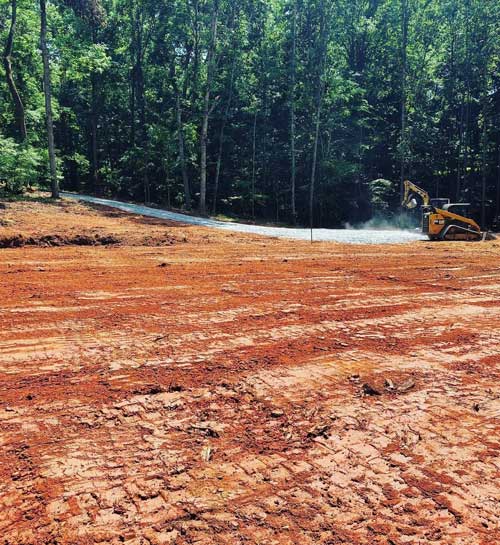
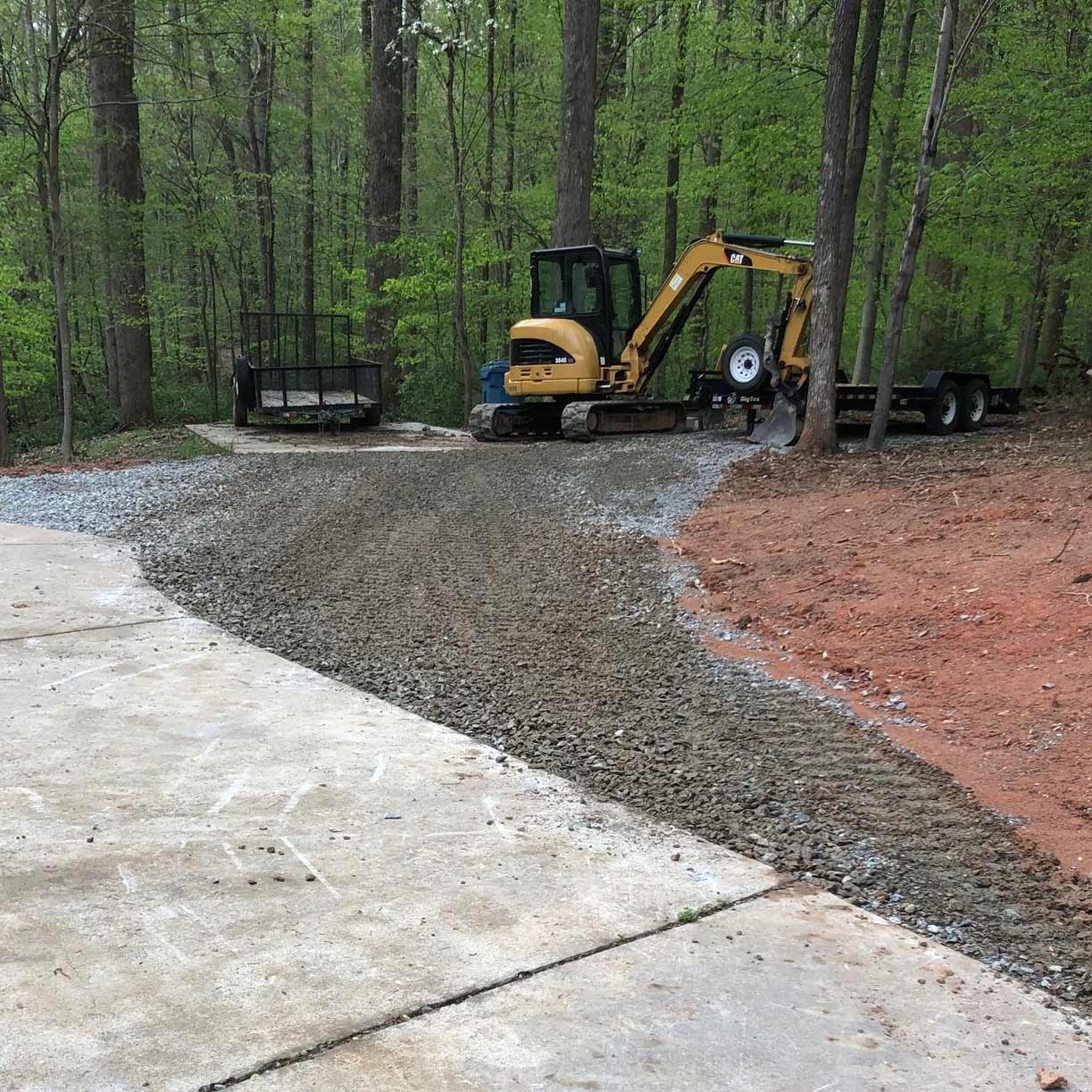
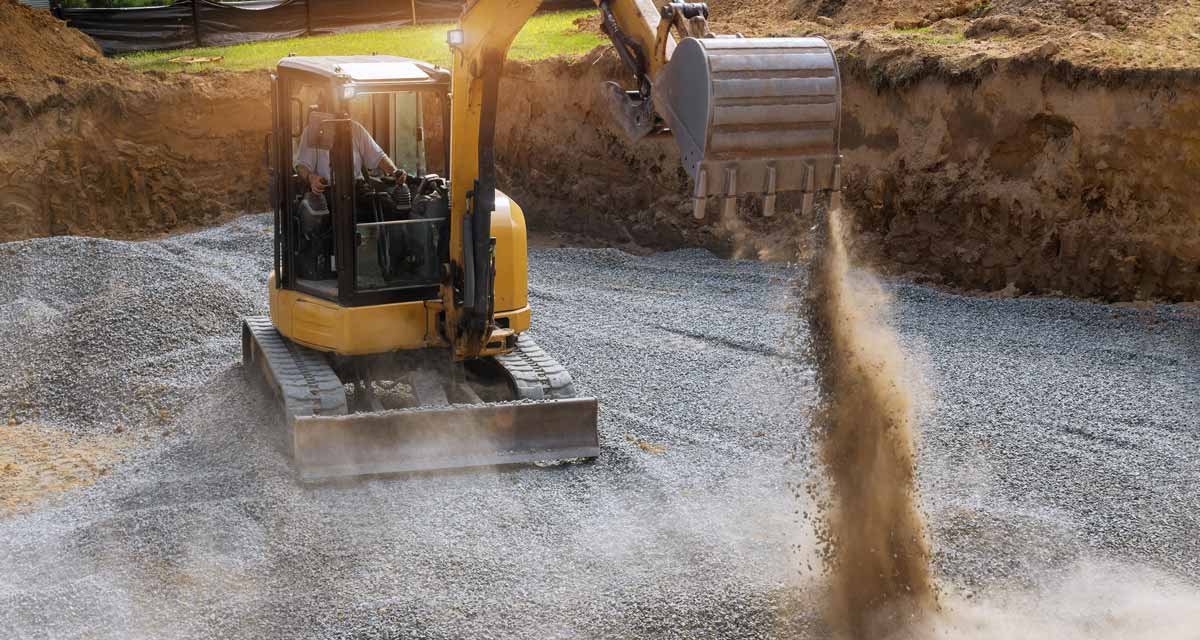
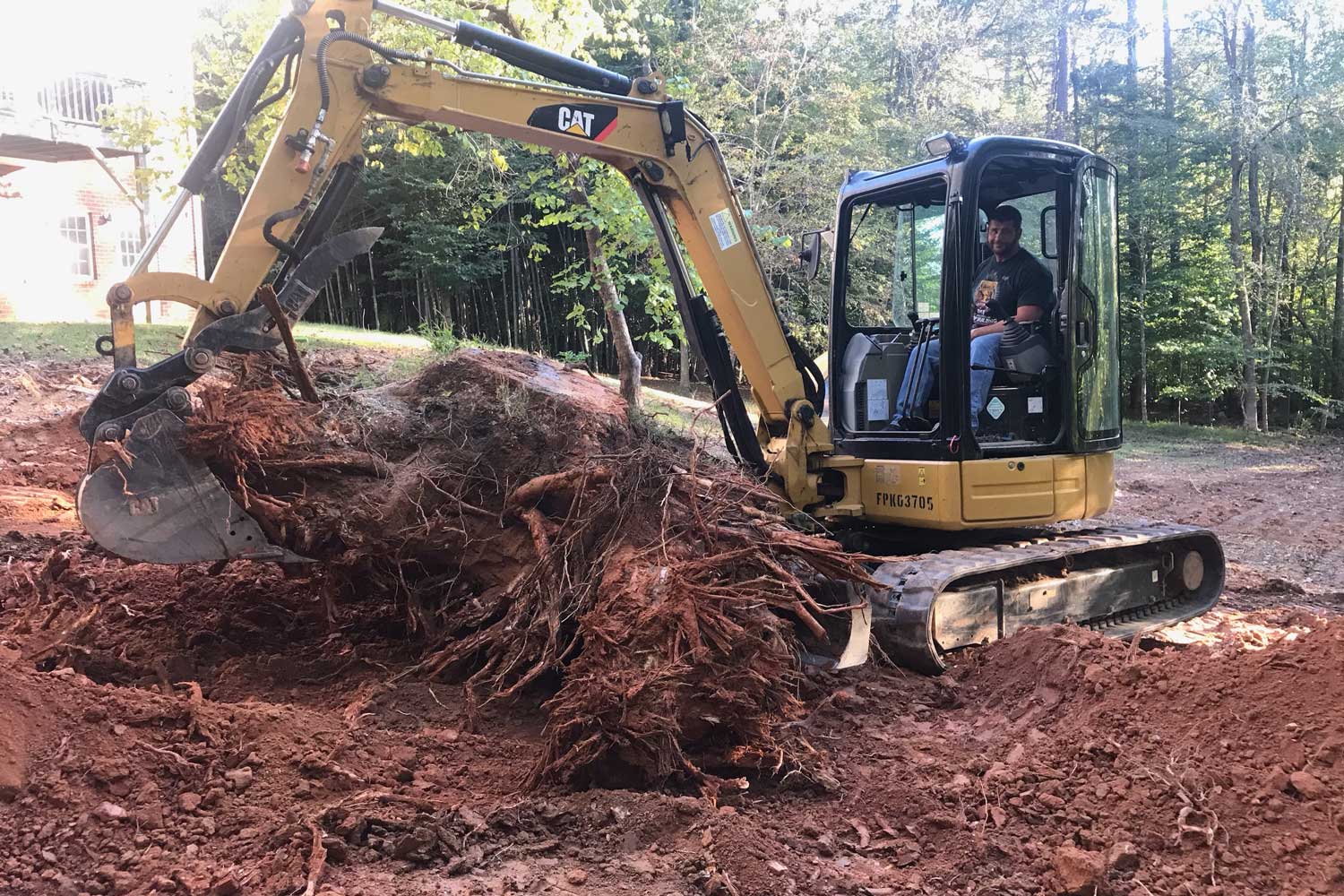
According to its business summary, Apex Excavating & Construction Services provides land clearing, site development, grading and drainage solutions, and underground utility installation for residential and commercial property owners and developers in the Greensboro area. That means the company is set up to handle the core site development steps that typically come before or alongside a general contractor’s building work.

Over 30 years of excavation and grading experience

Approved business evidence states that Apex Excavating & Construction Services has over 30 years of experience in residential and commercial site development, excavation, and grading. When discussing your project, you can draw on that track record by asking for examples of similar sites, what challenges were encountered, and how the team adjusted the work in the field.

Local Triad presence and service area

Apex is based in Stokesdale, NC and serves residential and commercial projects in the Greensboro area and throughout the Triad, including communities in Forsyth County. If your project is within this region, you can ask how they plan mobilization, what information they need about your location, and how they coordinate their schedule across nearby communities so you understand how your site fits into their regular service area.

Main website image
Main website image
Local context · Stokesdale, NC

How Greensboro and Triad conditions shape contractor decisions

Projects in and around Greensboro and the broader Triad region are close enough together that many contractors can serve multiple nearby communities from a single base. Even so, it is important to understand where a contractor is actually based and which parts of the region they serve most often, because that affects practical items like travel, mobilization, and how familiar they are with your area. Apex Excavating & Construction Services is based in Stokesdale, NC and serves residential and commercial property owners and developers in the Greensboro area, as well as other Triad communities such as those in Forsyth County. When you speak with any prospective general contractor or site development contractor, ask which Triad communities they regularly work in, how they schedule projects across the region, and what information they need about your site to plan land clearing, grading, drainage, or underground utilities. Those answers will help you judge whether their normal service area and operations line up with your location and timeline.

Questions worth asking

General contractor organization questions, answered

Owners and developers considering general contractor organizations or site-focused contractors tend to raise similar questions once they start planning in detail. These answers build on the guidance above and address issues that often come up while you are still comparing options.

What is the difference between a general contractor and a site development contractor?

A general contractor usually oversees an entire project and coordinates multiple trades, from structural work through finishes. A site development contractor focuses on preparing the land so a structure can be built. That can include land clearing, grading, managing drainage, and installing underground utilities. In the Greensboro area, Apex Excavating & Construction Services works on the site development side. The company provides land clearing, site development, grading and drainage solutions, and underground utility installation, while a separate builder or general contractor may handle the vertical construction and interior work.

Do I always need a general contractor for smaller projects?

Not every project requires a full general contractor organization. For focused site work—such as clearing and grading a lot, addressing drainage, or installing underground utilities—you may work directly with a specialized contractor. The more trades, phases, and decisions your project involves, the more value a general contractor may add by coordinating those moving parts. For a single-scope site development project, a well-chosen specialist can be sufficient, as long as responsibilities are clearly defined in writing and you understand what is and is not included.

How early should I involve contractors if I only have rough plans?

You do not need final architectural drawings before you speak with contractors, but you should be able to describe what you plan to build, where it might sit on the property, and your general timeframe. At that stage, you can have introductory conversations to understand what information different contractors will need to provide estimates. If you expect significant land clearing, grading, drainage work, or underground utilities, bringing a site development contractor into the conversation while your plans are still flexible can help you understand how the land may affect your options before final designs are set.

What documents should I share with a potential contractor organization?

Share any available survey, site plan, or architectural drawings, even if they are preliminary. Include information about property boundaries, easements, existing structures, and known utilities. Provide photos of the site from multiple angles and written notes on access limitations or drainage issues you have noticed. For projects that include land clearing, grading, drainage, or underground utilities, also share any prior reports or notes related to soils or past site work. The more complete and consistent your information, the easier it is for contractors to respond with scopes and schedules that truly match your situation.

Do I need an engineer or designer before I hire a contractor?

Many projects benefit from professional design or engineering input, especially for foundations, drainage systems, and underground utilities. The exact sequence depends on what you are building. Some owners work with an engineer or architect first, then bring in contractors to price and refine the design. Others begin with preliminary conversations with contractors to understand what sort of design support they will need. When you speak with general contractor organizations or site development contractors, ask how they prefer to be involved relative to your engineer or designer, and what level of drawings they require before they will confirm scope and pricing.

Your next step

Ready to talk through your site work or project plan?

If you are planning land clearing, site development, grading and drainage solutions, or underground utility installation for a residential or commercial project in the Greensboro or broader Triad area, a direct conversation can clarify your next steps. Apex Excavating & Construction Services focuses on turning raw land into build-ready sites for property owners and developers in this region. Call 336-314-0272 or email [email protected] to discuss your site, share your drawings or ideas, and ask detailed questions about scope and responsibilities. Even if you are still interviewing general contractor organizations, speaking with a site development contractor early can help you refine what you expect from the rest of your project team.
Main website image