Triad Area Construction & Site Work Planning

Planning Contractor Work in the Triad Area

For Triad-area projects, planning contractor involvement is easier when you know what information to prepare and when to start conversations. This guide explains how to define your project, what site details matter most, how work like grading, drainage, and utilities fits into the broader schedule, and which decisions to make before you commit to a contractor.

Main website image
The short answer

What matters most

To plan contractor involvement in the Triad area, start by writing down what you are building, where it belongs on your property, and any firm timing requirements. Next, collect basic site information such as a survey, photos, and notes about access so a contractor can understand current conditions. With that information in hand, contact potential general contractor organizations or site-focused contractors ahead of your desired start date to discuss scope and scheduling. Only move forward once you have a written description of the work, timing assumptions, and which responsibilities sit with you versus the contractor.

Start planning contractor involvement in the Triad as soon as you can clearly describe what you want built and where it belongs on your property.
Collect basic site and access information so contractors can quickly assess feasibility, equipment needs, and potential challenges.
List outside steps and constraints that could affect timing so you and your contractor can connect them to a realistic schedule.
Decide whether you need a full general contractor or a site-focused site work partner based on how much coordination you want to handle yourself.
Use early conversations with local Triad contractors to clarify written scope, timing assumptions, and responsibilities before you commit.
Main website image
A useful way to think about it

A Step-by-Step Planning Guide for Contractor Involvement

Projects in the Triad often start with land and site questions before any walls go up. Use this framework to move from a general idea that you will need contractor help to a project that is ready to be scheduled, priced, and coordinated without guesswork.

1. Define the project in plain language first

Before you contact any contractor in the Triad area, write out a straightforward description of your project. Focus on the outcome: for example, a new home, addition, barndominium, commercial building, driveway and parking area, or a site cleared and prepared for future construction. Note roughly where the work will be on the property, any existing structures or trees that may be in the way, and any firm dates or deadlines that matter to you. You do not need final architectural plans for this step, but you should be clear about size, use, and timing so contractors can quickly see whether your project fits their services and schedule.

2. Gather basic site and access information

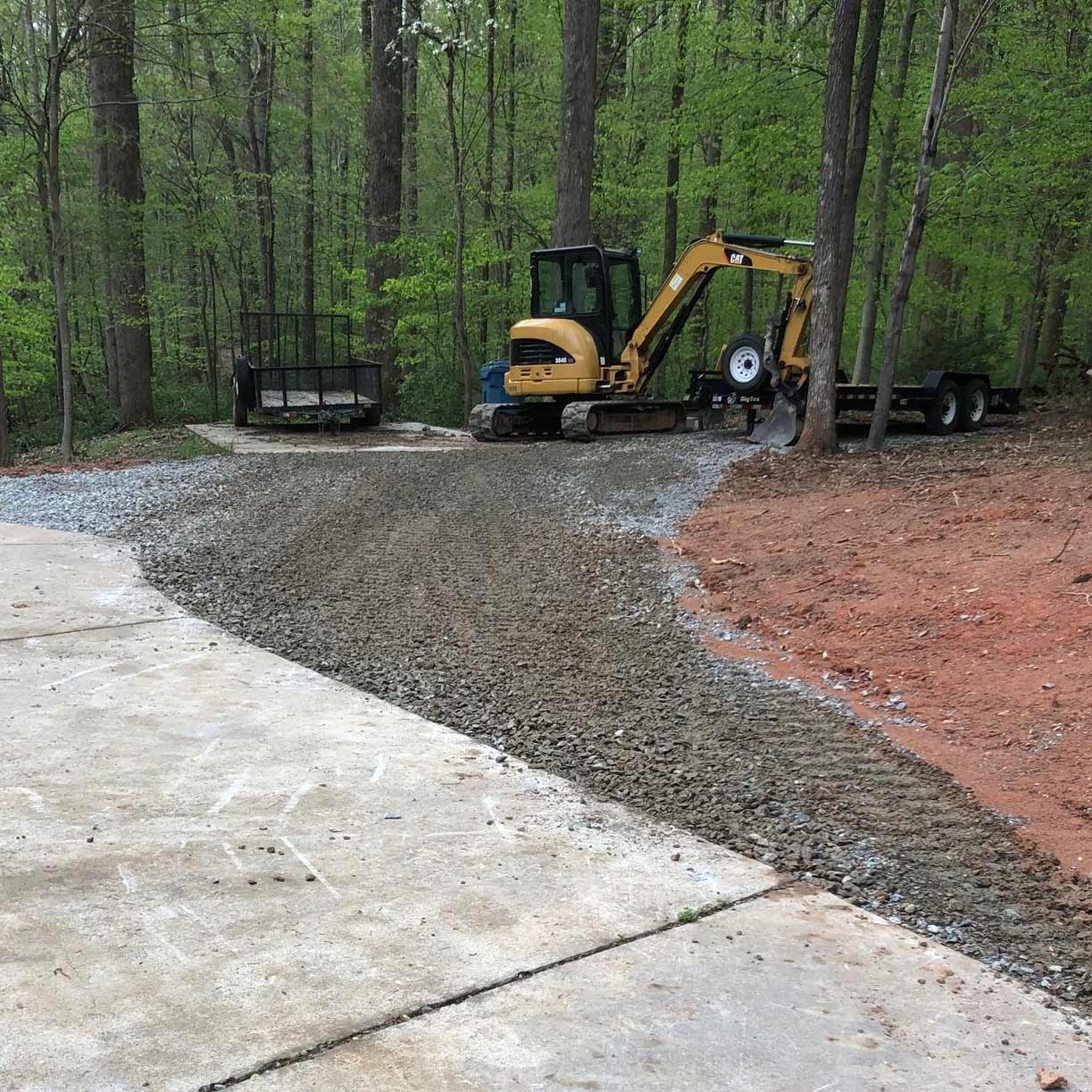
Contractors make better plans when they can see what the land looks like today. Collect whatever you already have on your Triad property, such as a survey, older drawings, photos, or a simple sketch showing boundaries, driveways, and noticeable slopes or low spots. Add notes about how equipment might reach the work area, potential tight turns, and anything that could limit access. Sharing this information early helps a contractor judge feasibility, equipment needs, and whether preliminary tasks like access improvements or selective clearing should be handled before the main phase of work.

3. Map out required steps and outside dependencies

Many projects depend on steps outside the contractor’s direct control. Before you ask for firm dates, start a list of items you know must happen along the way, such as design work, any needed approvals, or lender-related milestones. You do not have to know every detail, but even a rough outline helps you and your contractor talk through what has to happen first, what can run in parallel, and which tasks will remain your responsibility. Written notes about these outside dependencies make it easier to connect your preferred timeline to a realistic sequence of work.

Decision guide

Key Planning Decisions Before You Call Contractors

The choices you make before the first phone call shape the kind of contractor you look for and how productive those early conversations will be. Work through these decisions so you can explain your needs clearly and compare responses on equal footing.

Choose between a full general contractor and a site-focused partner

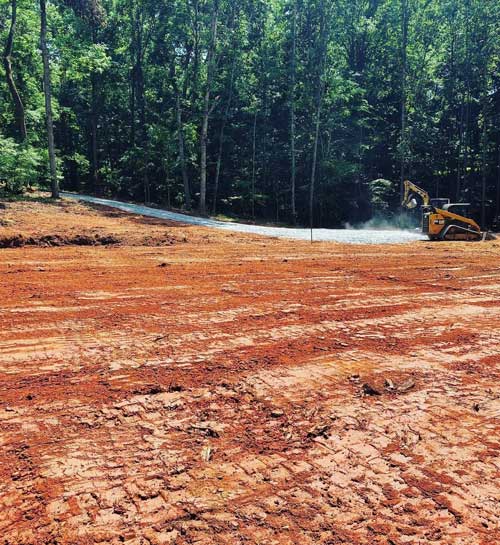
Not every Triad-area project needs the same kind of contractor. Some owners want a general contractor to coordinate most of the work from start to finish. Others already have a builder or architect in mind and mainly need a contractor to handle land clearing, grading, drainage, underground utilities, and related site development. Think about how comfortable you are coordinating different parties yourself. If your main questions involve how to turn raw or uneven land into a build-ready site, starting with a contractor that focuses on excavation and site development can help you understand what the land will require before you commit to the rest of the build.

Clarify your timeline flexibility and constraints

Before you call, decide which dates are fixed and which are preferences. For example, you may have a deadline tied to financing, a lease ending, or an internal business need, or you may simply have a preferred season to start work. Write down your ideal start date, your latest acceptable completion date if you have one, and any blackout periods when work would be difficult for you. Sharing this clearly at the first conversation helps contractors respond with realistic schedule options instead of broad estimates that do not fit your real constraints.

Decide how much responsibility you will personally take on

Contractors vary in how much coordination they assume and how much they expect you to handle. Before you engage anyone, make an honest list of tasks you are comfortable managing, such as organizing design work, talking with utilities, or following up on paperwork. Then, when you speak with potential contractors, ask them to describe which parts of the process they typically manage and which they leave to the owner. Your goal is a written division of responsibilities that matches your bandwidth and avoids gaps where critical steps could be overlooked.

Line up questions to compare potential contractors

Once you have a project description, basic site information, and a sense of your own role, prepare a short, written list of questions to ask every contractor you contact. Focus on topics that matter most to planning: how they typically sequence work on a site like yours, what information they need before they can provide a detailed proposal, how they handle changes once work is underway, and how they communicate schedule updates. Asking the same questions of each contractor makes it easier to compare how they think about planning and whether their way of working aligns with how you want your project to run.

Evidence and expectations

How Apex Excavating & Construction Services Fits Triad Planning

When you plan work that touches land clearing, grading, drainage, or underground utilities in the Triad, a contractor’s experience and service focus affect how smoothly the early stages run. These verified facts show how Apex Excavating & Construction Services is positioned for that role.

Over 30 years of site development experience

The company cites more than 30 years of experience specializing in residential and commercial site development, excavation, and grading. That level of experience means you can discuss your Triad project with a contractor that has spent decades focused on preparing land for construction, which is often the first major phase to plan.

Complete site development focus

Apex Excavating & Construction Services describes its work as covering land clearing, site development, grading and drainage solutions, and underground utility installation for residential and commercial property owners and developers in the Greensboro area. For planning, that focus lets you talk through multiple pieces of site work with one provider instead of treating each task as a separate, disconnected decision.

Local Triad-area base for regional projects

The business is based in Stokesdale, NC and serves the Greensboro area as part of its broader Triad coverage, positioning equipment and crews to handle residential and commercial work across the region. When you plan timing and scope, you are working with a contractor that already organizes its operations around Triad communities rather than treating the area as an occasional market.

Main website image
Main website image
Local context · Triad Area

Planning Around Triad-Area Coverage

Apex Excavating & Construction Services is based in Stokesdale, NC and serves the broader Triad area, including Greensboro and other surrounding communities. That regional footprint matters when you plan contractor involvement. It means you can discuss timing and scope with a contractor that already organizes equipment and crews around the Triad, rather than treating your project as an outlier. When you reach out, share your exact location within the Triad so they can speak specifically to access, travel time, and how your project might fit into their existing schedule for nearby work.

Questions worth asking

Planning & Contractor Timing: Common Triad Questions

When property owners in the Triad start lining up contractor help, a few planning questions come up again and again. These answers build on the planning steps above and focus on how to time conversations and organize information before you commit.

How far in advance should I contact a contractor for a Triad project?

Contact a contractor as soon as you can describe what you want built, roughly where it will sit on your property, and any firm deadlines you care about. Reaching out early gives you time to share surveys or photos, schedule a site visit if needed, and talk through how your project might fit into their existing workload. It also leaves room to gather any missing information the contractor says they need before they can commit to specific start dates.

Do I need final architectural plans before talking to a contractor?

You do not need final, stamped architectural plans to start a planning conversation. For many Triad projects, contractors can begin with a clear description of the project, a survey if you have one, and simple drawings or sketches showing proposed building and driveway locations. More detailed plans are typically required for permitting and final pricing, but you can use early discussions to understand what level of detail they will need at each step and when to invest in additional design work.

How does weather affect excavation and site work timing?

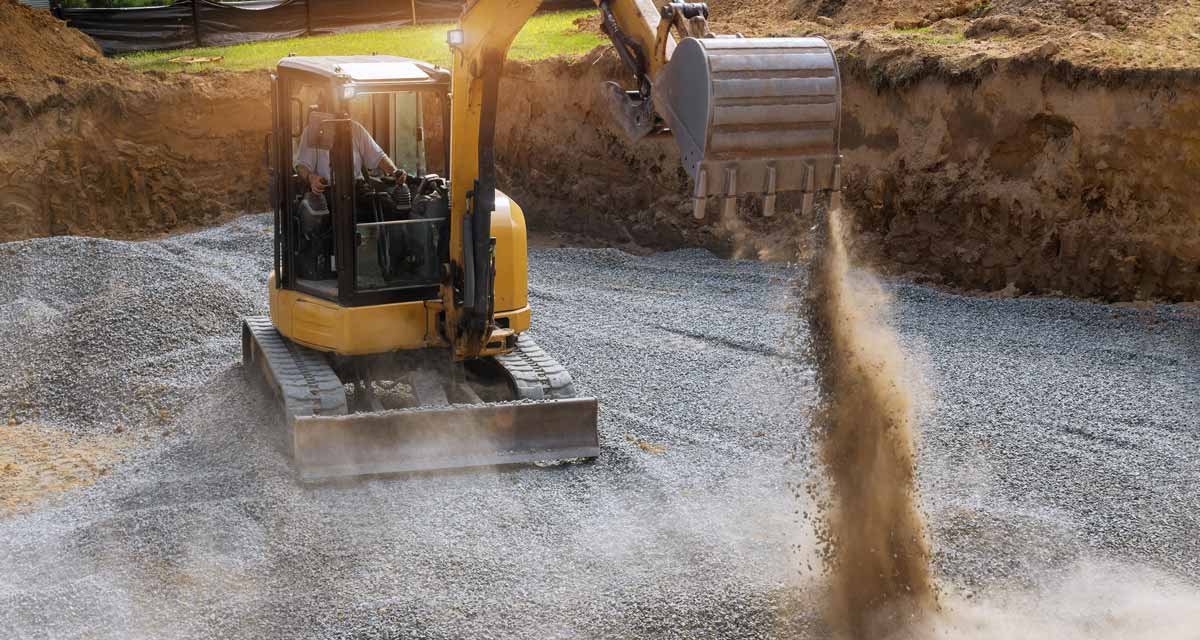
Excavation, grading, and underground utility work are all performed outdoors, so they can be affected by weather in general. When you talk with contractors, ask how they handle weather-related delays, how they protect partially completed work if conditions change, and how they build flexibility into their schedule. That way, any time allowances tied to weather are discussed up front rather than discovered in the middle of the job.

Can a contractor handle approvals for me, or is that my job?

Who handles approvals depends on the contractor and the structure of your project. Some general contractor organizations prefer to take the lead on most approvals connected to their scope. In other cases, the property owner, designer, or a site-focused contractor may handle specific items. During early planning talks, ask each contractor to list, in writing, which approvals they will handle, what information they need from you, and which responsibilities will stay with you so there is no confusion later.

How should I coordinate underground utilities with the rest of my project?

Underground utilities work best when they are planned as part of your overall site development, not as a last-minute addition. Share any existing utility information you have, such as known service locations or easements, along with your proposed building and driveway layout. Ask your contractor to explain when they typically install utilities relative to grading, drainage work, and foundations. A short, written sequence of steps helps you avoid rework, such as having to disturb finished areas to add or adjust utility lines.
Your next step

Ready to Talk Through Your Triad Site Work?

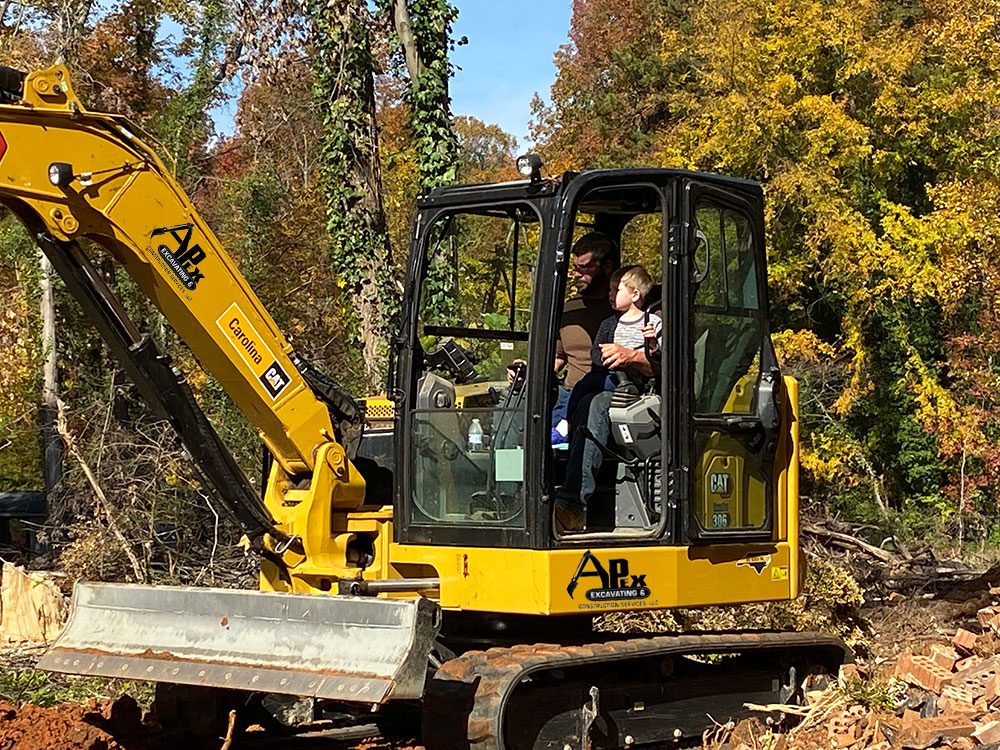
If your Triad-area project involves land clearing, grading, drainage, underground utilities, or broader site development, a focused conversation with Apex Excavating & Construction Services can help you turn ideas into a workable plan. From its base in Stokesdale, NC, the team serves residential and commercial clients across the region. When you call 336-314-0272 or reach out by email, be ready with a plain description of what you are building, the property address, any drawings or sketches you have, and your target timing. From there, they can review site conditions, explain how site work connects to the rest of your project, and outline concrete next steps.

Main website image