Land Clearing Readiness for Real Projects

How to Know You’re Ready to Move Forward with Land Clearing

If you rush into land clearing with vague plans, you can spend a lot and still not have the site you actually need. This page walks you through a clear, practical checklist—what must be decided, documented, and discussed—so you can move forward on land clearing with confidence instead of guesswork.

Main website image
The short answer

What matters most

You’re usually ready to move forward with land clearing when several key pieces are clear enough to support the next commitment. You know the goal for the property, the areas that must be cleared and to what standard, and who will use the cleared land next. You have basic site information gathered, the decision‑makers identified, and the expected timing written down, including any firm deadlines. You’ve set a realistic budget range, understand what you’re asking a contractor to include, and have a short list of remaining questions you need answered on a site visit or proposal. When those items are in place, you can commit to land clearing without guessing about scope, cost, or outcomes.

You are ready to move forward with land clearing when the land’s intended use, areas to be cleared, and level of cleanup are written down in plain language.
Gathering basic site details—address, size, access, terrain notes, photos, and any surveys—makes contractor conversations far more productive and estimates more accurate.
A clear timeline, even if flexible, and a realistic budget range are essential parts of readiness because they guide scope choices and scheduling options.
Listing your unresolved questions for a contractor turns the first meeting into a focused working session instead of a vague walk‑through.
In the Greensboro and Triad area, organizing local information about your site and broader project helps you match land clearing scope and timing to how work actually runs in this region.
Main website image
A useful way to think about it

A Clear Framework for Deciding You’re Ready

Land clearing is more than cutting trees. It ties directly into how your property will be used, where structures and driveways will sit, and how the rest of the site work will run. This section breaks readiness into concrete pieces so you can see exactly where you stand and what to clarify before you call a contractor or sign anything.

1. Clarify what the cleared land must be ready for

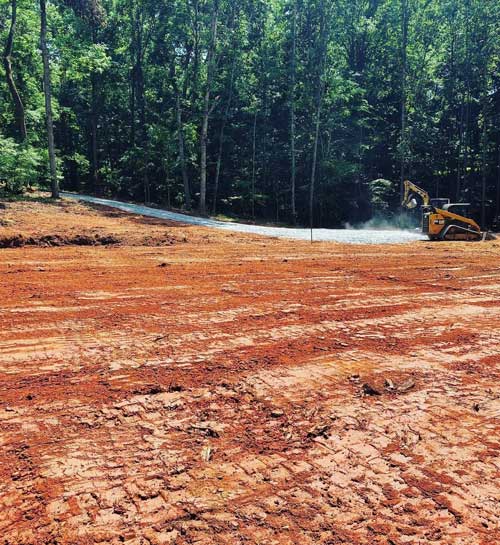
The most important readiness step is knowing what “success” looks like after land clearing is finished. Are you creating a build pad for a house or barndominium, opening an access drive, preparing a commercial pad, or simply reclaiming overgrown acreage for flexible future use? Different goals call for different levels of clearing and cleanup. Write down, in plain language, what the cleared areas need to be used for in the next 12–24 months. If you already have a builder, designer, or engineer involved, note any requirements they’ve given you—such as building footprints, driveway paths, or areas that must stay undisturbed. The clearer you are about the end use, the easier it is for a contractor to suggest a sensible land clearing scope instead of guessing from the seat of a machine.
2. Define the actual areas and level of clearing

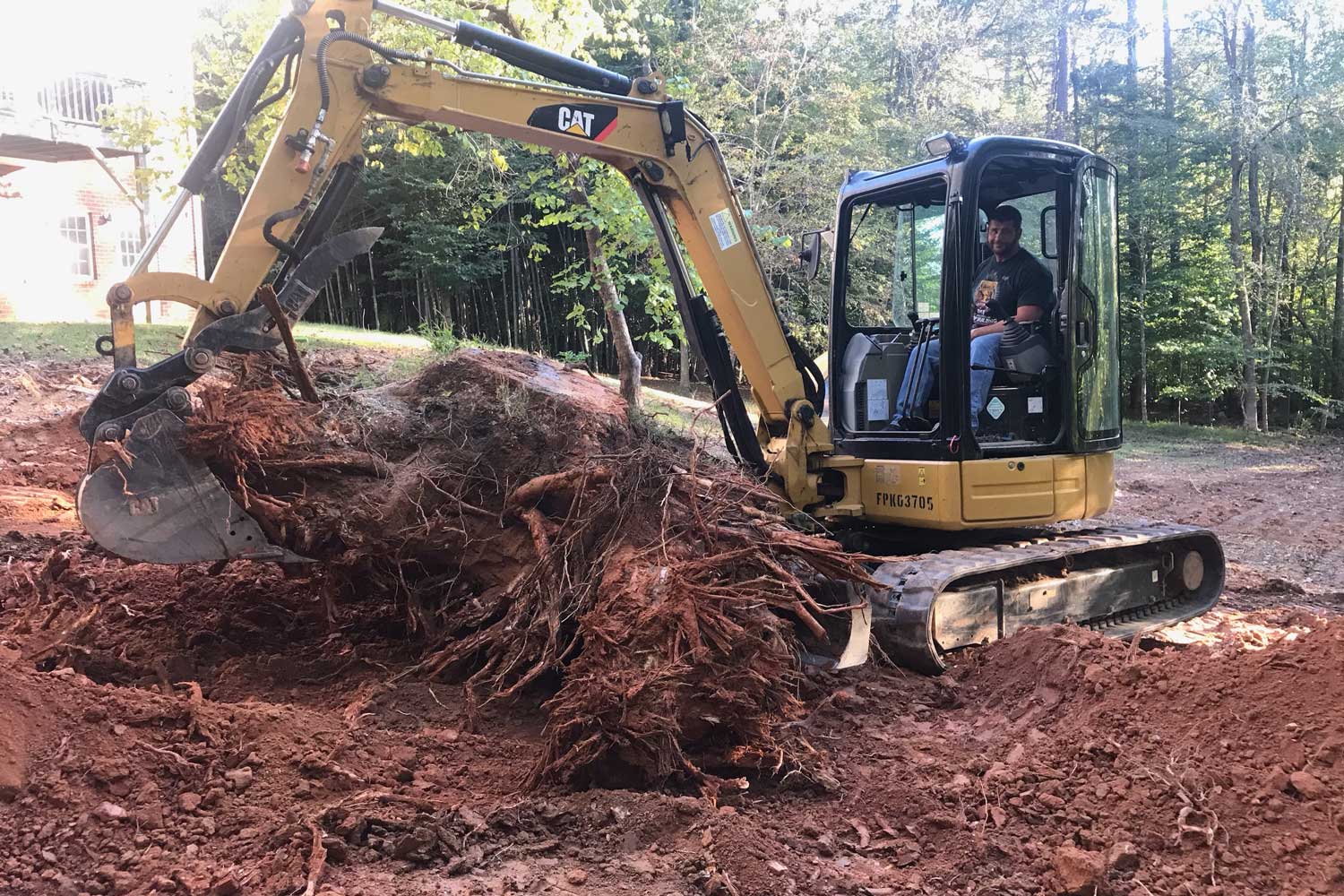
Once you know what the property needs to be ready for, narrow that down into specific areas and intensity of work. Few projects truly need everything cleared. Some zones may need to be opened fully; others might only need selective clearing or brush removal. Walk the property if it is safe to do so and sketch a simple map. Mark where structures, driveways, utilities, or parking are likely to go. Then note which areas must be completely cleared, which can remain wooded, and where you only want underbrush removed. Also think about how clean you expect the site: Are you okay with stumps left outside building areas, or do you expect stumps removed across the entire cleared section? These decisions strongly shape cost and equipment needs, so having a first draft of your preferences means you are much closer to ready.

3. Gather the basic site information a contractor will ask for

A contractor can give you more meaningful guidance when you have certain information ready. You do not need everything perfect, but you should be able to share basics about the property and access. Helpful items include the property address, approximate acreage, any survey or plat you have, and photos or video walkthroughs of the land and driveway. Make notes on steep slopes, low wet areas, existing structures, fences, or outbuildings. Also consider how equipment will reach the work areas—through an existing driveway, across a neighbor’s land with permission, or from a public road along a rough path. If you can answer these questions without a scramble, you are much closer to being ready, and a contractor’s first estimate is more likely to be realistic instead of a rough guess.

Decision guide

Turning Readiness into Concrete Next Steps

Once you see where you stand on goals, scope, information, timing, budget, and open questions, the next challenge is acting on that insight. This section shows how to turn your checklist into specific steps—who to call, what to send, and what to ask—so your first conversations with a land clearing contractor are focused and productive.

Check your timing: how firm are your dates?

Many people call for land clearing the moment they get excited about a project, but your readiness depends heavily on how your timing lines up with other moving parts. Ask yourself two questions. First, do you have any fixed deadlines, such as a builder’s start date, financing milestones, or a required completion date from a municipality? Second, what absolutely must be complete on your side before clearing begins, such as permits, boundary stakes, or utility marking? Write those items and dates down. A contractor can then respond with realistic start windows instead of vague promises. If your dates are flexible but you understand your general timeframe—such as “before winter” or “after a planned survey”—you are ready for a meaningful schedule conversation instead of a rushed decision.

Set a realistic budget range and boundaries

You do not need a final number before you speak with a contractor, but you do need a comfortable range and clear boundaries. Land clearing costs are shaped by site size, terrain, access, and how much material must be removed or hauled away. Without at least a rough budget in mind, it is hard to compare options or decide between a minimal and a more complete scope. Think through what you are prepared to invest in getting the land truly usable. Decide what is non‑negotiable—such as clearing enough area for the building footprint and access—and what could be phased later if pricing comes in higher than expected. When you can share that perspective honestly, a contractor can propose options that fit your limits instead of designing work in a vacuum.

List unresolved questions that need professional input

Being ready does not mean having every answer yourself; it means knowing which questions you need a contractor to help solve. Before you call, write down the specific uncertainties that are holding you back. Examples might include whether certain trees can or should be saved near a building site, how to handle a low wet area, whether to remove stumps now or later, or what finished condition your builder expects the pad to be in. Arriving with a written list of questions turns your first site visit or phone call into a focused working session instead of a casual walk‑through. If your questions are specific and tied to your goals and site, that’s a strong sign you are nearly ready to move forward.

Confirm who is actually making the decisions

One frequent source of delay is unclear decision‑making. If several family members, business partners, or a builder are involved, you are not truly ready until everyone understands the basic land clearing plan and who has authority to approve scope and costs. Talk through the high‑level plan with the other decision‑makers before you seek formal proposals. Make sure there is agreement on what parts of the land will be cleared, how aggressively, and within what budget range. Identify one or two point people who will communicate with the contractor, receive proposals, and sign agreements. When decision roles are clear, estimates do not sit in inboxes, and you avoid situations where a contractor designs a scope that later gets vetoed by someone who was never consulted.

Evidence and expectations

Why Experienced Site Development Help Matters Here

A contractor who handles land clearing as part of full site development approaches your property with the whole project in mind. This section uses available information about Apex Excavating & Construction Services so you can see how that kind of experience factors into your decision about when and how to move forward.

Experience with full residential and commercial site development

According to its own published information, Apex Excavating & Construction Services has more than 30 years of experience specializing in residential and commercial site development, excavation, and grading. For someone planning land clearing, this matters because clearing is rarely the only task between raw land and a site that can be built on. Experience with broader site development means the contractor can look at your land clearing plan through the lens of the entire project, not just what a single piece of equipment can reach.

Integrated land clearing as part of site development services

The approved service descriptions show that Apex Excavating & Construction Services treats land clearing as one piece of broader site preparation work that can also include grading, drainage solutions, demolition, underground utility installation, and full site development. That integrated approach can influence how you think about moving forward. If your project is likely to need several of those elements, you may choose to wait until you have at least a rough site plan that addresses all of them together. If you only need a small portion of the land opened for access or a limited structure, you can define a narrower land clearing scope and communicate that clearly.

Local focus on Greensboro, Forsyth County, and the Triad

The business information and market descriptions indicate that Apex Excavating & Construction Services is based in Stokesdale, NC and serves residential and commercial customers throughout Greensboro, Forsyth County, and the wider Triad region. For your readiness decision, that means you can frame questions specifically around where your property is located in this area and how land clearing will fit into the broader work you expect to have done there.

Main website image
Main website image
Local context · Stokesdale, NC

What Readiness Looks Like Around Greensboro and the Triad

In and around Greensboro, Stokesdale, Forsyth County, and the broader Triad, many projects follow a similar pattern: land is cleared first so other work can begin. Because Apex Excavating & Construction Services serves residential and commercial customers throughout this region, it helps to organize local details before you reach out. Pull together anything that will help someone unfamiliar with your property understand it quickly, such as surveys that show boundaries or easements, notes about how equipment can reach the site from nearby roads, and any requirements you have already received from a builder or local officials. When you plan to work with a contractor who regularly serves the Triad area, having this Triad‑specific information ready makes it easier to discuss a realistic scope and schedule for land clearing that fits where your property is located.

Questions worth asking

Land Clearing Readiness: Questions People Often Ask

As property owners get close to committing to land clearing, a few questions come up again and again. These answers add nuance to the readiness checklist and address issues that often surface late in the process.

Do I need a finalized building plan before I schedule land clearing?

A fully engineered building plan is helpful but not always required before you talk with a land clearing contractor. What you do need is a solid idea of where the main use areas will be: the approximate house or building location, driveway path, and any major features like septic or a future shop. With that information, a contractor can usually propose a phased clearing plan that opens up what you need now and leaves options for later. If your building location is still a complete unknown, it can be wiser to focus on limited access clearing and planning discussions rather than committing to full‑scale land clearing immediately.

What if I only know that the land is overgrown but not what I’ll build yet?

Some owners mainly want to reclaim severely overgrown land so they can walk it, survey it, or plan future use. If that describes you, you can still move forward, but your readiness checklist shifts slightly. Instead of tying clearing to a detailed construction plan, focus on visibility and access: paths to key corners, enough opening to set survey points, and removing hazards like dead trees near existing improvements. Be honest with the contractor that your end use is undecided so they can suggest a modest, flexible scope instead of full clearing that might not match future plans.

How does land clearing tie into grading, drainage, and utilities?

Land clearing is often the first step in a chain that can include grading, drainage improvements, and installing underground utilities. Decisions you make now affect how those later stages run. For example, leaving or removing stumps in certain areas can change how foundation grading is done, and clearing too aggressively near property lines or streams can influence drainage patterns. If you know you will need additional site work, ask any contractor you speak with how they recommend sequencing those services and whether they can coordinate them as part of a larger plan. Your readiness grows as you understand how each piece fits together on your property.

What should be in a land clearing proposal before I sign?

Before you commit, a land clearing proposal should clearly describe which areas of the property will be worked on, what type of vegetation and structures will be removed, how debris and stumps will be handled, and what condition the site will be left in. It should also outline timing assumptions, access requirements, and how changes or unexpected site conditions will be addressed. You do not need to write the proposal yourself, but you should understand every major line in it. If anything is vague—especially about site cleanup, stump handling, or debris hauling—ask for clarification in writing before you sign. Having those details clear is part of being truly ready to move forward.

How early should I contact a contractor if I’m aiming for a specific season?

If you hope to have land clearing done in a particular season—such as before winter rains or ahead of a spring building start—it is wise to contact contractors well before that window. Schedules can fill up, and weather or permitting issues sometimes shift dates. While the exact lead time varies by contractor and workload, you will be in a stronger position if you reach out as soon as your goals, general scope, and budget range are defined. Even if you are not ready to sign, an early conversation can help you understand realistic timelines and what information you must finalize to secure a spot on the schedule.

Your next step

Ready to Talk Through Your Land Clearing Plan?

If you are in Greensboro, Stokesdale, Forsyth County, or the broader Triad and you’ve worked through most of this checklist, a short conversation can confirm what’s ready and what still needs to be pinned down. Apex Excavating & Construction Services provides land clearing as part of its site work for residential and commercial projects in this region. You can call 336-314-0272 or use the contact options on their website to discuss your property, timing, and next steps. Even if you are still sharpening your plans, that call can help you test your assumptions and move closer to a confident decision about when to move forward with land clearing.