Planning site work or a build

Important Questions Before You Hire

The contractor you hire will shape your schedule, cost, and stress level. This page lays out focused questions to ask so you understand what is included, who is responsible for what, and how your project will be managed before you sign a contract.

Main website image
The short answer

What matters most

Before hiring a general contractor organization, ask clear questions about scope, responsibilities, schedule, proof of past work, pricing changes, and problem‑solving. Pin down what is included in writing, who handles each part of the work, and how communication will run day to day. Ask how timing is set, what could delay the schedule, and what events might change your cost. Request examples or references that show similar projects they have completed. Finally, ask how they handle changes, mistakes, or disputes, and what support is available after the work is finished.

Use specific questions to clarify scope, responsibilities, timing, and how problems are handled before you sign any contractor agreement.
Ask every contractor to put what is included and excluded into a clear written scope you can compare side by side.
Listen carefully to how contractors explain risks, delays, and changes, not just best‑case results or low prices.
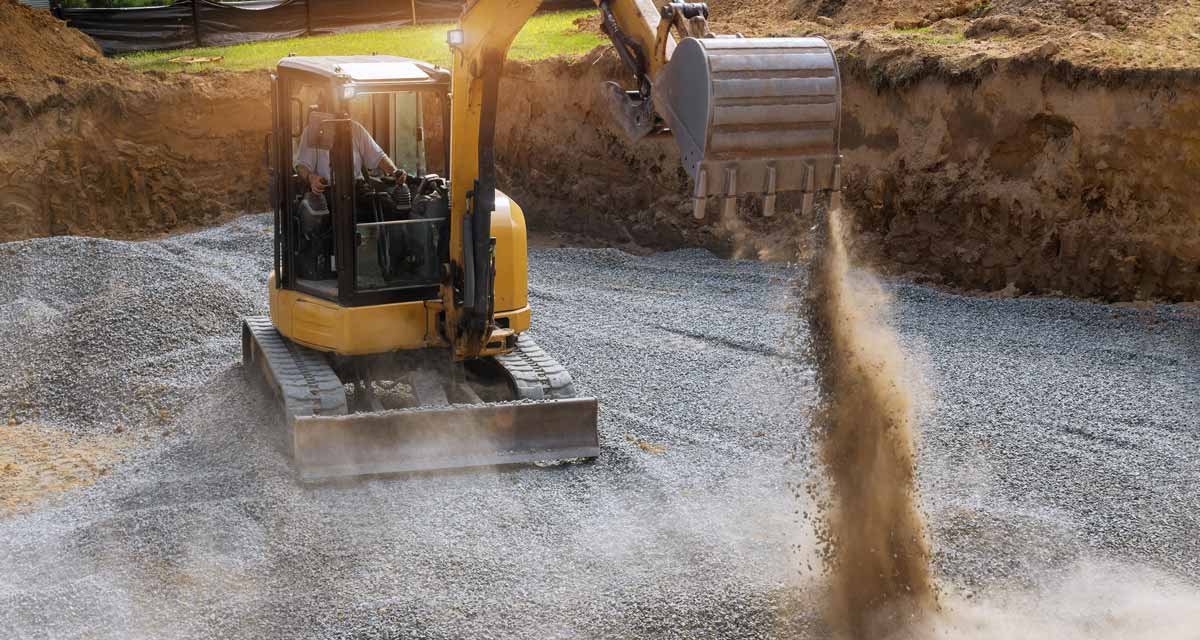
Look for proof of projects that match your type of work, such as complete site development or excavation for residential or commercial builds.
For Greensboro and the Triad, confirm that your contractor regularly works in the area and can describe similar local projects they have completed.
Main website image
A useful way to think about it

Questions That Clarify What You’re Really Hiring

Misunderstandings on construction projects often come from fuzzy expectations. Use these questions to turn assumptions into specific commitments so you know exactly what you are hiring a contractor to do.

Start with scope: what exactly is included?

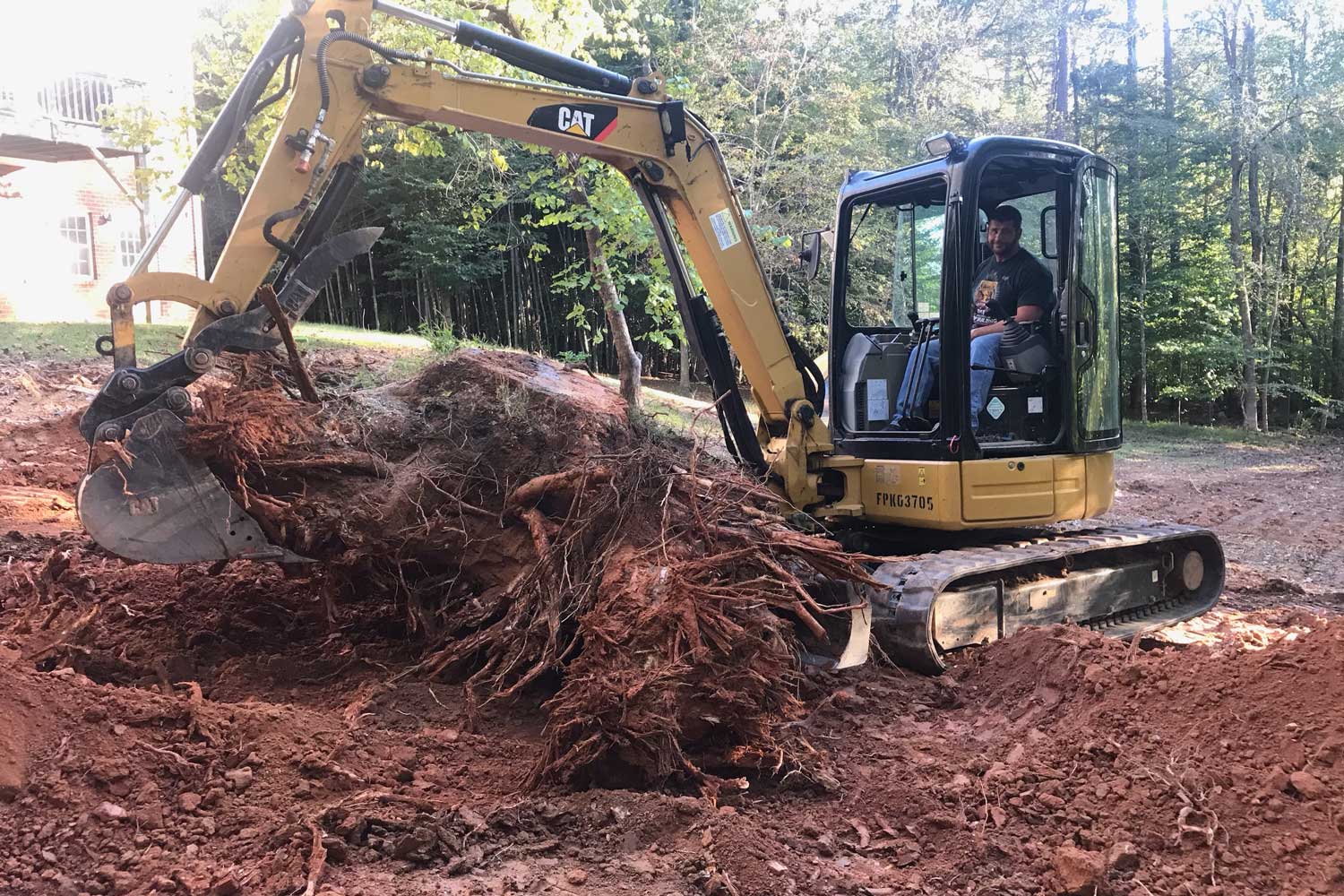
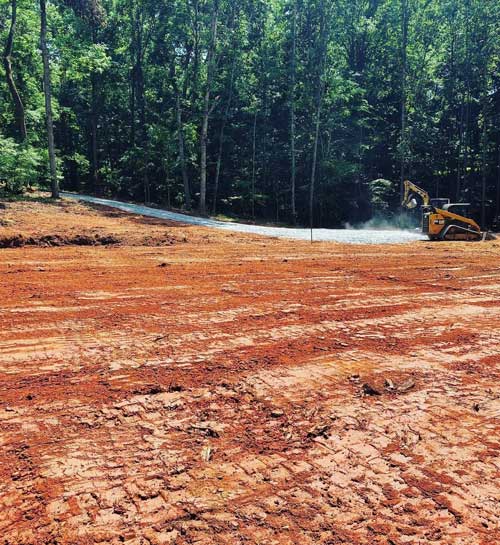
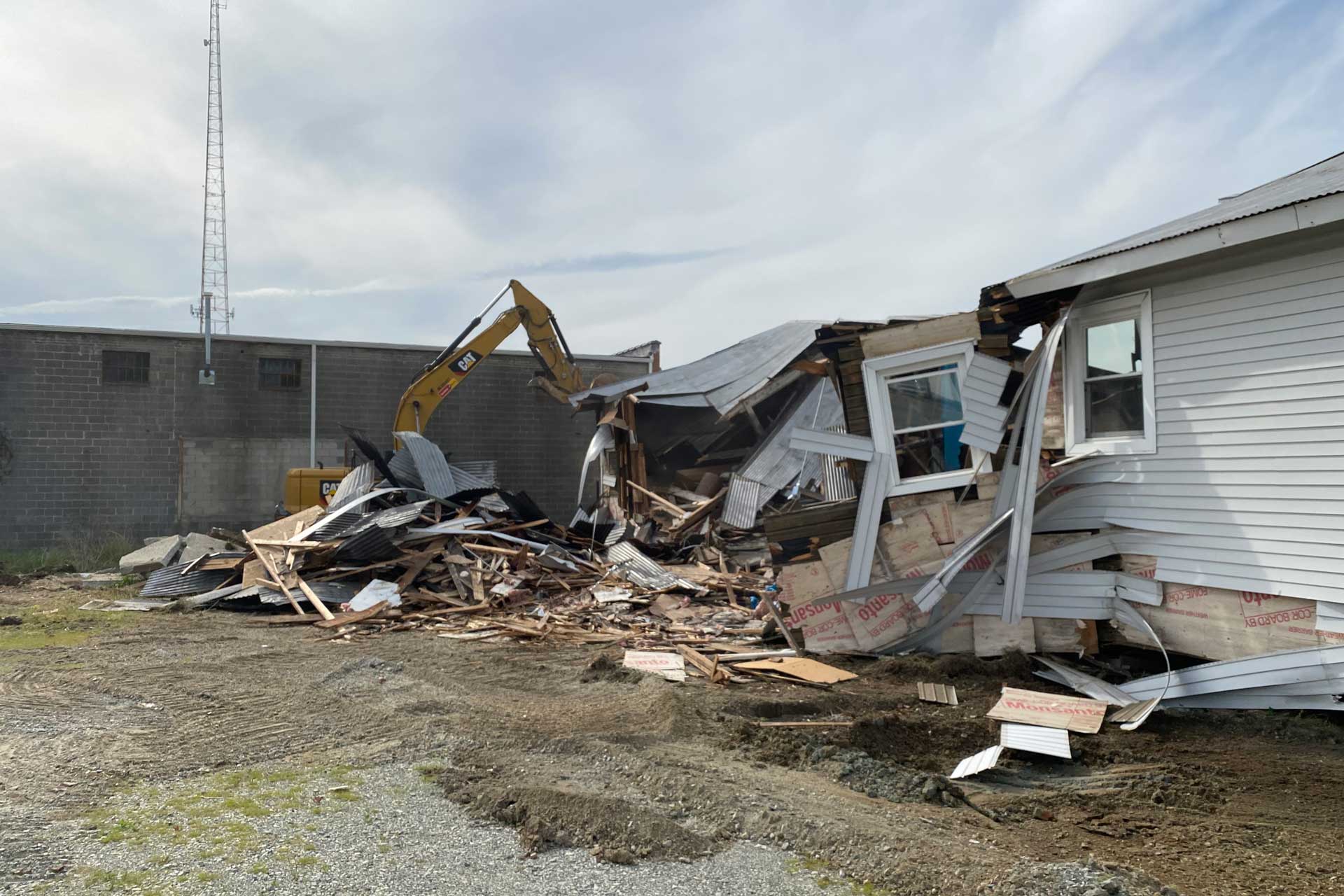
Ask the contractor to describe, in straightforward terms, what their contract will cover and what will be left for others. For site‑focused projects, that may involve land clearing, demolition, grading, drainage work, underground utilities, and final site preparation. Ask which portions of the property are included, what condition they will leave the site in when they are done, and what drawings or surveys they will rely on. Have them note what is not included so there are no surprises. Make sure this scope appears in the written proposal so you can compare it fairly with other bids.
Define roles: who is responsible for what?

Do not assume the contractor will handle every task. Ask who will take care of permitting, inspections, engineering input, and utility coordination. Clarify whether they are acting as a full general contractor for the entire project or focusing on site development while another party manages the building work. Ask which parts of the job they perform with their own crews and which they subcontract. Also confirm what falls to you, such as providing surveys, keeping access clear, or coordinating with neighbors. Put these responsibilities in writing so everyone understands their role.

Nail down timing: schedule, sequencing, and delays

Ask for more than a start date. Have the contractor outline how long each major phase should take and which milestones you can use to track progress, such as completion of clearing, rough grading, or utility installation. Then ask what could disrupt that schedule and how they handle delays related to weather, inspections, or conflicts with other work on site. Finally, find out what they need from you in advance, such as finalized plans or permits, to place your project on their calendar and keep it moving once work begins.

Decision guide

Using the Answers to Choose Your Contractor

Once you have asked the same core questions of each contractor, their written answers become a simple comparison tool. Use this section to turn those responses into a clear decision about who is the best fit for your project and working style.

Compare written scopes, not verbal promises

After you have asked the same questions of each contractor, stack their written proposals side by side. Look closely at how clearly they define scope, responsibilities, and assumptions. A proposal that spells out tasks, locations, and end conditions shows more preparation than one that uses vague phrases. Mark any gaps you see, such as missing details about drainage, utility installation, or debris disposal, and ask the contractor to revise their scope before you compare pricing. That way you are choosing between offers that truly cover what you need.

Pay attention to how they discuss problems

When you ask about risks, listen carefully to how each contractor explains potential problems and their response. You can ask for examples of past challenges on similar projects and what they did to get work back on track. Their willingness to talk plainly about difficult situations, document changes, and explain cost impacts is as important as their description of best‑case results. Choose a contractor whose answers make you confident that you will understand what is happening if conditions change.

Match their communication style to your needs

As you speak with contractors, notice how they prefer to communicate and how clearly they explain next steps. Ask how often they expect to update you, what will be documented in writing, and who your main point of contact will be. Think about how closely you want to track progress and how quickly you need answers when decisions come up. Then select the contractor whose style of reporting and responsiveness lines up with how you like to work.

Check proof that lines up with your project

When you request proof of experience, ask for examples that resemble your project in size and type of work. For site development, that might include land clearing, grading, drainage solutions, underground utilities, or full preparation for residential or commercial construction. Ask for photos or short descriptions of those jobs, and pay attention to whether the work they show matches the responsibilities they want to take on for you. Use those examples to confirm that their claimed experience fits the scope you are planning.

Evidence and expectations

How Contractor Experience Informs Your Questions

Some contractors bring decades of focused site development work and local familiarity to the table. Knowing that helps you decide which follow‑up questions to ask and how detailed you expect their answers to be.

Over 30 years of site development experience

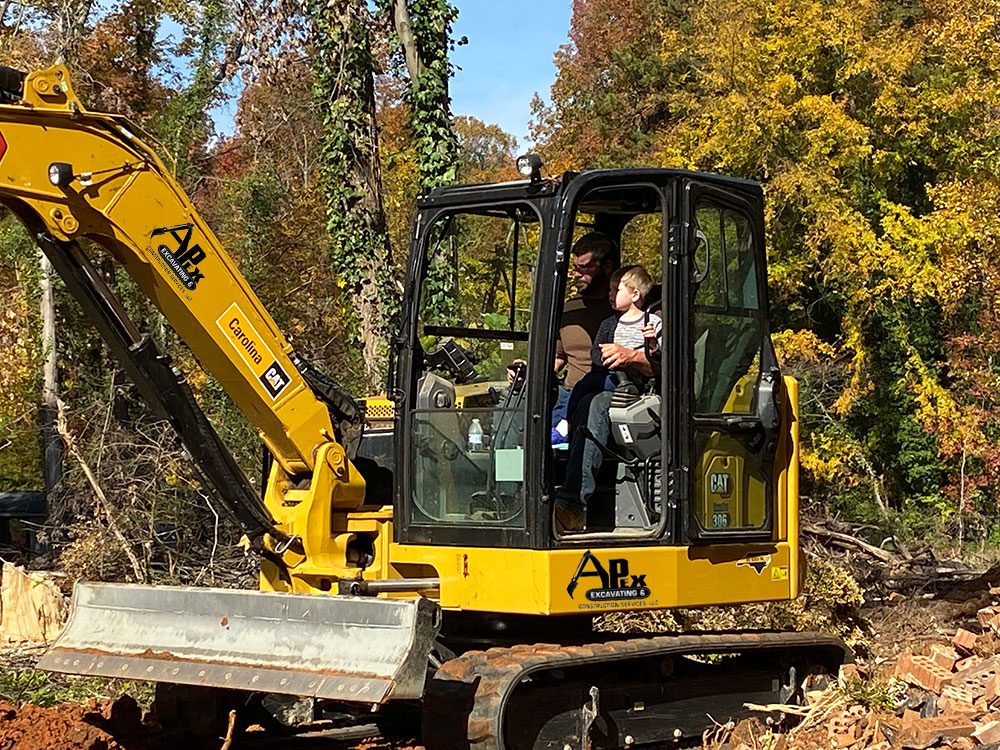
Apex Excavating & Construction Services reports more than 30 years of experience in residential and commercial site development, excavation, and grading. When you ask any contractor about their history, you can use that kind of benchmark to frame follow‑up questions such as how long they have been doing projects similar to yours, how many they handle in a typical year, and what recurring issues they have learned to avoid on site work.

Focused on excavation and complete site work

The business profile shows that Apex Excavating & Construction Services concentrates on complete site development, including land clearing, grading, drainage solutions, and underground utility installation for residential and commercial projects. When you speak with contractors about your job, you can use this focus as a model for questions about how they coordinate these tasks into a single plan and whether they are prepared to handle the full set of site work your project will need.

Local Triad service area and projects in Greensboro

Available information shows that Apex Excavating & Construction Services serves Greensboro, Forsyth County, and the broader Triad region from its North Carolina base, providing excavation and related site work for residential and commercial properties. When you compare contractors, ask where they do most of their work and how familiar they are with projects in the same communities where your property is located so you can gauge how well they understand local expectations and coordination needs.

Main website image
Main website image
Local context · Stokesdale, NC

Adjusting Your Questions for Greensboro and the Triad

For projects in Greensboro, Stokesdale, and the broader Triad area, your contractor’s answers should reflect real experience working locally. Apex Excavating & Construction Services provides excavation, grading, land clearing, drainage solutions, and underground utility installation for residential and commercial projects in Greensboro and surrounding Triad communities. When you speak with any contractor, ask how often they handle land clearing, grading, drainage, and underground utilities in your specific city or county and what they have learned about coordinating that work with area property owners, builders, and developers. Ask them to walk you through a recent project in the Triad that is similar in size and scope to yours and explain how they fit their work into the broader construction schedule. You can also ask how they plan their crews and equipment around the region so schedule commitments are realistic for your site.

Questions worth asking

General Contractor Hiring Questions, Answered

Beyond the core checklist, owners and developers often raise the same practical concerns when they first reach out to contractors. These answers address a few of those common follow‑ups so you can walk into the first meeting prepared.

What is the difference between a general contractor organization and a site development contractor?

A general contractor organization typically oversees an entire project from start to finish. That can include coordinating designers, managing multiple trades, and handling the overall schedule and budget. A site development contractor focuses on preparing the land so construction can begin, with services such as demolition, land clearing, grading, drainage work, and underground utilities. Some companies offer both roles, while others focus on site work only. Ask each company which role they are proposing for your job and which parts of the project they will not manage.

How early should I contact a contractor about my project?

Reach out once you have a clear idea of what you plan to build, where it will sit on the property, and your rough timing. You do not need fully finished plans, but you should be able to describe the type of project and share any surveys or concept drawings you already have. Early contact gives the contractor a chance to explain what information they need, how site work fits into the rest of the schedule, and when they could realistically place you on their calendar.

How many contractor bids should I get?

Many owners and developers find that three well‑developed proposals are enough to see clear differences in scope, approach, and communication style. What matters most is that you give each contractor the same information about your project and ask them the same core questions about scope, responsibilities, and timing. That way you can compare similar scopes instead of mismatched assumptions and follow up on any bid that is much higher or lower than the others.

What should I bring to the first meeting with a contractor?

Bring anything that helps explain your project and your land. That may include a recent survey, sketches or drawings, notes on where you want structures or driveways to sit, and photos of the property. If you have already spoken with a designer, engineer, or local officials, bring those notes as well. It also helps to write down your must‑have requirements and any concerns you have about access, drainage, or existing structures so the contractor can address them directly.

Is it a problem if the contractor uses subcontractors?

Using subcontractors is common in construction. What you need to understand is how the contractor organizes and oversees that work. Ask which parts of your project will be done by subcontractors, who chose them, and who is responsible for their scheduling, safety, and quality. Clarify whether you will communicate only with the main contractor or also with subcontractors on site, and how warranty or callback issues are handled when subcontractors are involved.

Your next step

Ready to Talk Through Your Project Questions?

If you are planning land clearing, grading, drainage work, demolition, underground utilities, or full site development in the Greensboro or broader Triad area, you can use this question list as your starting point. Bring your project details and priorities, then speak with a local site development contractor that handles residential and commercial work every day. Apex Excavating & Construction Services focuses on complete site development for area property owners and developers. When you are ready for a direct conversation about your land and your timeline, call 336-314-0272 or use the contact form on their website to discuss next steps.

Main website image