Before You Sign That Contract

General Contractor Red Flags to Watch For

Your project’s schedule, cost, and stress level all hinge on the contractor you choose. This guide lays out specific warning signs to watch for in proposals, conversations, and contracts so you can walk away from the wrong fit before it gets expensive.

Main website image
The short answer

What matters most

Major red flags when hiring a general contractor organization include a vague or shifting scope of work, weak or missing proof of similar past projects, high-pressure tactics to “decide today,” and promises that sound unrealistically cheap or fast. Other signs of trouble are unclear division of responsibilities between you, the contractor, and any subcontractors; incomplete or confusing pricing without a written, itemized scope; no clear process for handling changes, schedule delays, or unexpected site conditions; and poor, slow, or inconsistent communication even before you sign. Any one of these may justify slowing down, asking more questions, or choosing a different contractor before work begins.

Vague or shifting scope, especially around site-development tasks like clearing, grading, drainage, and utilities, is one of the clearest red flags when hiring a general contractor organization.
Weak proof of similar past projects, such as no relevant references or only generic photos, increases the risk that a contractor is learning key skills on your job.
High-pressure tactics, unrealistic promises about cost or schedule, and resistance to written change processes often signal trouble ahead.
Unclear responsibilities for permits, inspections, subcontractors, and daily supervision can lead to gaps, delays, and blame-shifting once work is underway.
Poor communication before you sign—slow responses, inconsistent answers, missed appointments—is usually a preview of how problems will be handled later.
Main website image
A useful way to think about it

A Practical Guide to Spotting Contractor Red Flags

You do not need to be a builder to see trouble coming. You just need to know where problems usually hide: in what is not written down, not explained, or not backed up with proof. Use these sections to read between the lines before you commit.

1. Vague Scope: “We Will Take Care of Everything” Without Details

One of the biggest red flags is a contractor who promises to handle everything but cannot or will not spell out exactly what that includes. For projects involving excavation, grading, drainage, or underground utilities, the scope should describe where work will happen, what will be demolished or cleared, how the land will be shaped, which utilities are included, and what condition the site will be left in. If all you have is a one-line description or a lump-sum price without explanation, you are left guessing about what is missing. Ask for a written scope that lists each major task, including any exclusions. If the contractor resists or keeps things intentionally fuzzy, you are seeing a serious warning sign.

2. Weak Proof of Similar Projects

A confident contractor can point to projects similar in size and type to yours, especially for site development work. That might mean past residential builds with clearing and utilities, commercial pads that required grading and drainage, or subdivision work. Red flags include only generic photos, no references, or examples that have nothing to do with what you are asking them to do. You do not need a glossy brochure, but you should be able to see or hear about concrete examples: what the site looked like before, what work was done, and how it turned out. If a contractor cannot show any comparable experience, or avoids talking about it, you will carry more risk that they are learning on your project.

3. High-Pressure Sales and Rushed Decisions

Construction and site work are significant commitments, and a reputable contractor expects you to think through your choice. Watch for pressure tactics: claims that a price is only good today, demands for large deposits before you have seen a clear scope, or calls pushing you to sign before you have had time to review the proposal. Experienced contractors manage busy schedules, but they still allow space for questions and comparison. If every conversation feels rushed, or you are warned that asking too many questions will slow things down, step back. A rushed start often leads to misunderstandings later, especially around what is included and how unexpected issues on site will be handled.

Decision guide

How to Respond When You See Red Flags

Once you notice a warning sign, your next move matters. Sometimes a direct question clears things up; other times, it is your cue to move on. Use this framework to decide whether to clarify, renegotiate, or walk away.

Clarify First: Turn Red Flags into Direct Questions

If you spot a potential red flag but are not sure how serious it is, start by converting your concern into a direct question. For a vague scope, ask the contractor to walk you line by line through what is included, what is excluded, and how they will handle anything that is discovered once excavation starts. For weak proof, ask for references or examples of projects similar in size and type. For unclear responsibilities, request a simple list showing who handles permits, inspections, materials, hauling, and daily supervision. Their response tells you a lot. If they answer clearly and document any changes in writing, they may just have been informal. If they become defensive or dismissive, that red flag has been confirmed.

Decide Whether to Renegotiate or Walk Away

Once you have asked direct questions, look at how the contractor responds in both words and actions. A contractor who revises the proposal, clarifies the scope, and improves communication may still be a good partner if the rest of their track record holds up. But some red flags are harder to fix: refusal to provide basic documentation, inconsistent stories about schedule or pricing, hostility toward written change processes, or repeated slow replies even before a contract is signed. In those cases, walking away may protect your budget and schedule more than any small discount could. Rely on your notes and observations, not just a persuasive conversation.

Questions to Ask the Next Contractor You Call

Use any negative experience as a checklist for the next conversation. Prepare questions such as: How do you define and document the scope of work? What specific site development tasks are you including? Can you share examples of projects like mine? How do you handle unexpected issues, like soft soils or hidden utilities? Who will be my day-to-day contact, and how often will I get updates? Are change orders documented in writing, and how are costs decided? By asking the same focused questions to each contractor you speak with, you can compare not just prices but answers, professionalism, and willingness to be transparent.

Document Your Understanding Before You Sign

Even a good conversation can lead to trouble if it is not captured in writing. Before you commit, review the proposal and contract against the concerns you raised. Does the scope now list land clearing, grading, drainage work, utilities, or demolition in enough detail? Are exclusions clearly stated? Is there a section that explains how schedule changes, weather delays, and unexpected site conditions will be handled, including how costs are reviewed with you? Are payment milestones tied to real work being completed, not just calendar dates? Treat missing details as unresolved red flags and ask for revisions until the paperwork matches the promises you heard.

Evidence and expectations

What Reliable Contractors Usually Show You

You cannot see the future, but you can compare how serious, experienced contractors behave against those who are winging it. Here are specific signs that a team follows established, professional practices for site-development work.

How Experienced Site-Development Contractors Handle Scope

Contractors with deep experience in excavation, grading, drainage, and underground utilities know that vague scope is where many disputes start. They expect to walk your site, review your drawings, and then put a detailed description of work in writing before major equipment arrives. That typically includes which areas will be cleared, how earthwork will be handled, how drainage is addressed, and how utilities will be installed and backfilled. With over 30 years of residential and commercial site development experience, a contractor understands that surprises are reduced when assumptions are clear and documented.

Why Professional Contractors Emphasize Process

Reliable contractors lean on a repeatable process because site work combines many moving parts: land clearing, grading, utilities, drainage, and coordination with other trades. They discuss how they plan, schedule, and sequence your project before they talk about start dates. That conversation often covers how they evaluate your site, communicate findings, propose options, and get your approval before moving forward. When a contractor is ready to explain their typical steps from first call through completion, it gives you a roadmap and a way to hold everyone accountable.

The Role of Local Knowledge in Avoiding Problems

In the Triad area, local experience helps contractors recognize the kinds of site conditions that can affect excavation and grading work. That experience shows up in the questions they ask about your survey, drainage, existing utilities, and how you plan to use the property. A contractor with a long history in residential and commercial site development often insists on a site visit before finalizing a proposal and talks openly about potential risks and options. Raising those topics early is a sign that they are thinking about how your land will respond once work begins.

Main website image
Main website image
Local context · Stokesdale, NC

Red Flags with Contractors in the Greensboro & Triad Area

In the Greensboro and broader Triad area, many projects involve more than just building a structure. They often require land clearing, grading, drainage improvements, underground utilities, and coordinated site development before vertical construction can start. That extra complexity makes clear communication and scope definition even more important. If a local contractor downplays site conditions, will not visit the property, or avoids discussing how clearing, grading, drainage, and utilities fit together, treat that as a serious warning sign. As you speak with Triad-area contractors, ask each one to explain how they will evaluate your specific site, not just your building plans, and how their team coordinates excavation, grading, drainage, and utility work. A contractor who is ready to walk through that discussion in detail is usually better prepared for the real-world conditions on your project.

Questions worth asking

Common Questions About Contractor Red Flags

Property owners and developers often sense that something feels off but struggle to name it. These questions help you turn that feeling into clear checks you can apply before hiring.

Is it a red flag if a contractor will not visit my site before giving a price?

For site-development work such as clearing, grading, drainage, or underground utilities, refusing to visit the property before giving a firm price is a concern. Many of the biggest cost and schedule risks are tied to site conditions: access for equipment, slopes, soil quality, existing utilities, and how water currently moves across the land. A rough ballpark range by phone can be reasonable if it is clearly labeled as an estimate, but a contractor who will not look at the site before locking in scope and timing is guessing. Treat that as a red flag and ask why they are comfortable committing without seeing the conditions they will be working in.

How can I tell if a contractor’s price is unrealistically low?

An unrealistically low price is not just a bargain; it can be a warning that something important has been left out. Compare proposals line by line. If one contractor includes land clearing, hauling debris, grading, drainage improvements, and utility trenches, while another simply lists site work for a much lower price, you may not be looking at the same scope. Ask each contractor to explain what is included and what is not. A trustworthy team will walk you through their assumptions. Be cautious if the lowest bidder refuses to clarify or dismisses other proposals as overpriced without offering detail.

What contract terms should I examine for hidden red flags?

Beyond the dollar amount, study how the contract handles changes, delays, and responsibilities. Watch for vague language about change orders, such as additional work as needed, with no explanation of how cost increases are approved. Check whether payment milestones align with completed work stages, not just dates. Look for clear statements about who pulls permits, schedules inspections, and coordinates with utility companies or other trades. If the contract gives the contractor wide freedom to change scope or schedule without your written agreement, or requires large upfront payments before any mobilization, those are red flags you should discuss before signing.

Is poor communication before hiring a sign of bigger problems?

How a contractor communicates before you hire them is often how they will communicate once work begins. If calls and emails go unanswered for days, appointment times are missed without explanation, or answers to simple questions are inconsistent, expect those patterns to continue under more pressure during active construction. Good communication does not mean they are always instantly available, but it does mean they set expectations, respond within a reasonable time, and give clear, direct answers. If you are already chasing them for basic information now, it will likely be harder once equipment is on site.

Can I still work with a contractor after spotting red flags?

Sometimes, yes. Not every red flag means you must walk away, but it does mean you should slow down. If the issue is incomplete scope, weak documentation, or unclear responsibilities, you can often address it by asking for revisions, more detail, or written procedures for changes. Pay close attention to how they respond. If they take your concerns seriously, improve the documents, and communicate more clearly, they may still be a solid partner. But if they minimize your concerns, resist putting anything in writing, or become defensive, treat that as confirmation that the risks are real and consider choosing a different contractor before the project starts.
Your next step

Ready for a Straightforward Conversation About Your Site Work?

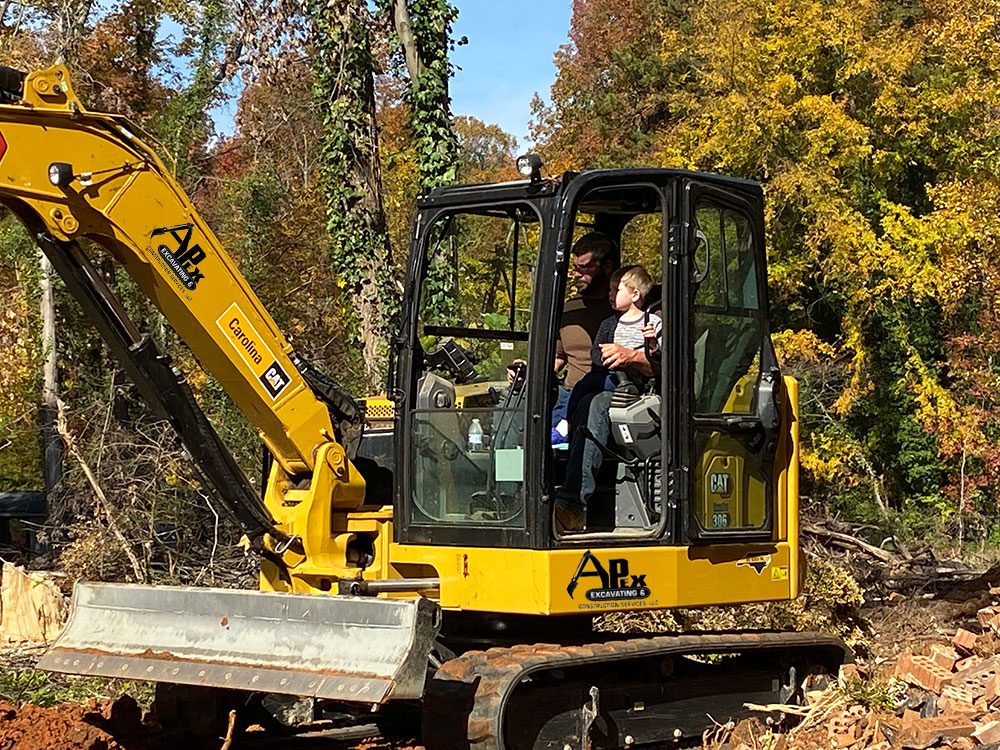
If you are planning land clearing, grading, drainage, underground utilities, or broader site development in the Greensboro or Triad area and want a contractor who will spell out scope, responsibilities, and process in plain language, reach out for a conversation before you commit elsewhere. Apex Excavating & Construction Services focuses on preparing residential and commercial sites so construction can move ahead on stable, well-drained ground. You can call 336-314-0272 or use the contact form on the website to discuss your project, share your drawings or ideas, and ask detailed questions about scope, schedule, and coordination.

Main website image