Planning Site Work in the Triad

Are You a Good Fit for Grading & Leveling?

You see slopes, low spots, or rough ground where you want to build, drive, or expand. You have heard you might need grading and leveling, but you are not sure if your project really calls for it or how a contractor will judge what is necessary. This page explains what grading and leveling actually do for a site, which kinds of projects usually need it, and how an on-site evaluation guides scope and cost so you can decide whether you are a good fit for this work.

Main website image
The short answer

What matters most

Grading and leveling is a good fit when your land needs to be shaped to specific elevations and slopes so foundations, driveways, or other improvements can rest on stable, well‑drained ground. Before confirming that work or pricing, site conditions, slope, and soil stability must be evaluated. Apex Excavating & Construction Services relies on that on‑site evaluation to define the grading and leveling scope and to provide a project‑specific estimate.

Grading and leveling prepares your land to specific elevations and slopes so foundations, driveways, and other improvements rest on stable, well‑drained ground.
Site conditions, slope, and soil stability must be evaluated in person before a contractor can confirm grading and leveling scope or pricing.
Not every rough area needs full grading; focus the work where structures, driveways, or other critical improvements will depend on a solid base.
Apex prices grading and leveling based on site size, slope, soil conditions, and scope, using an on‑site visit to develop a project‑specific estimate.
Apex Excavating & Construction Services combines grading and leveling with broader site development capabilities across Greensboro, Forsyth County, and the Triad, giving you options to coordinate related site work in a single plan.
Main website image
A useful way to think about it

How Grading & Leveling Works on a Real Site

Seeing what happens between the first walk‑through and a build‑ready surface makes it easier to judge whether grading and leveling is really part of your project or if lighter site preparation could be enough.

What “grading and leveling” actually does for your land

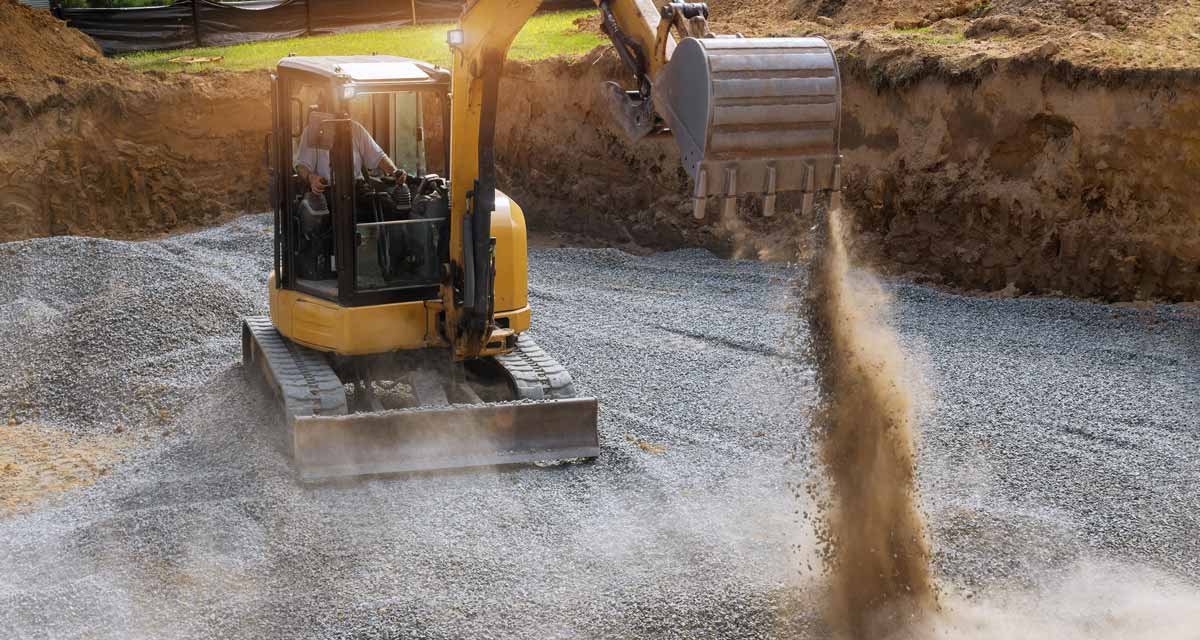
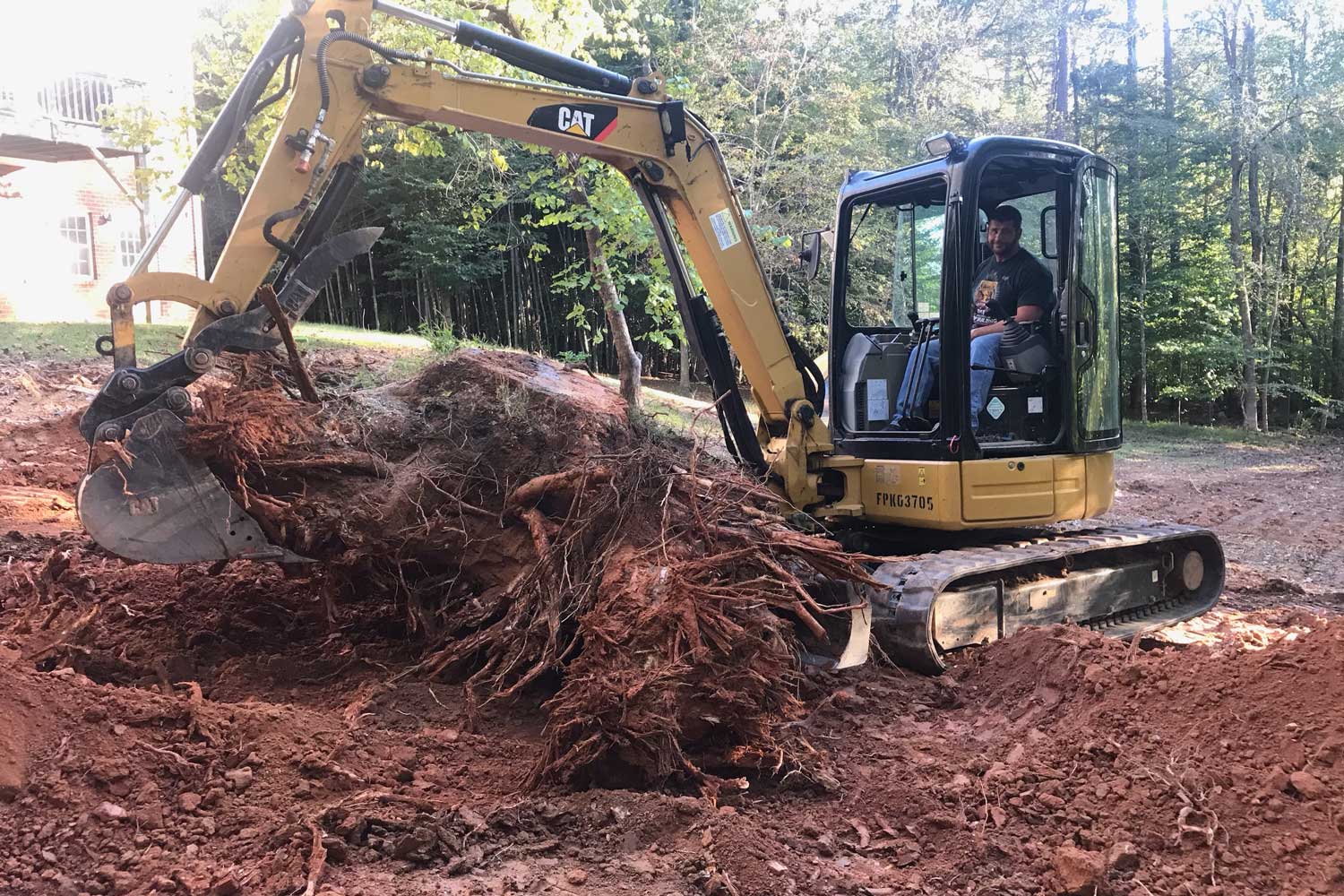
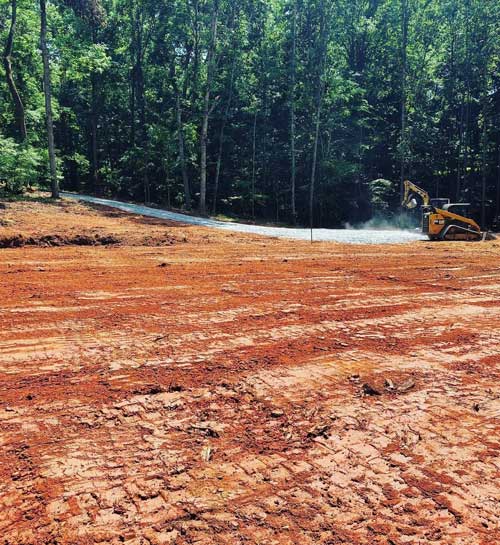
Grading and leveling sets your land to the elevations and slopes required for your project. Instead of simply scraping the surface, a contractor evaluates existing contours and then uses excavation and grading equipment to cut down high spots, fill low areas, and smooth the ground. The goal is a stable, build‑ready surface that can support foundations, driveways, and other improvements while moving water away from buildings and sensitive features. For Apex Excavating & Construction Services, this work is part of pre‑construction site development, preparing the property before vertical construction or paving begins.
How contractors evaluate your site before grading

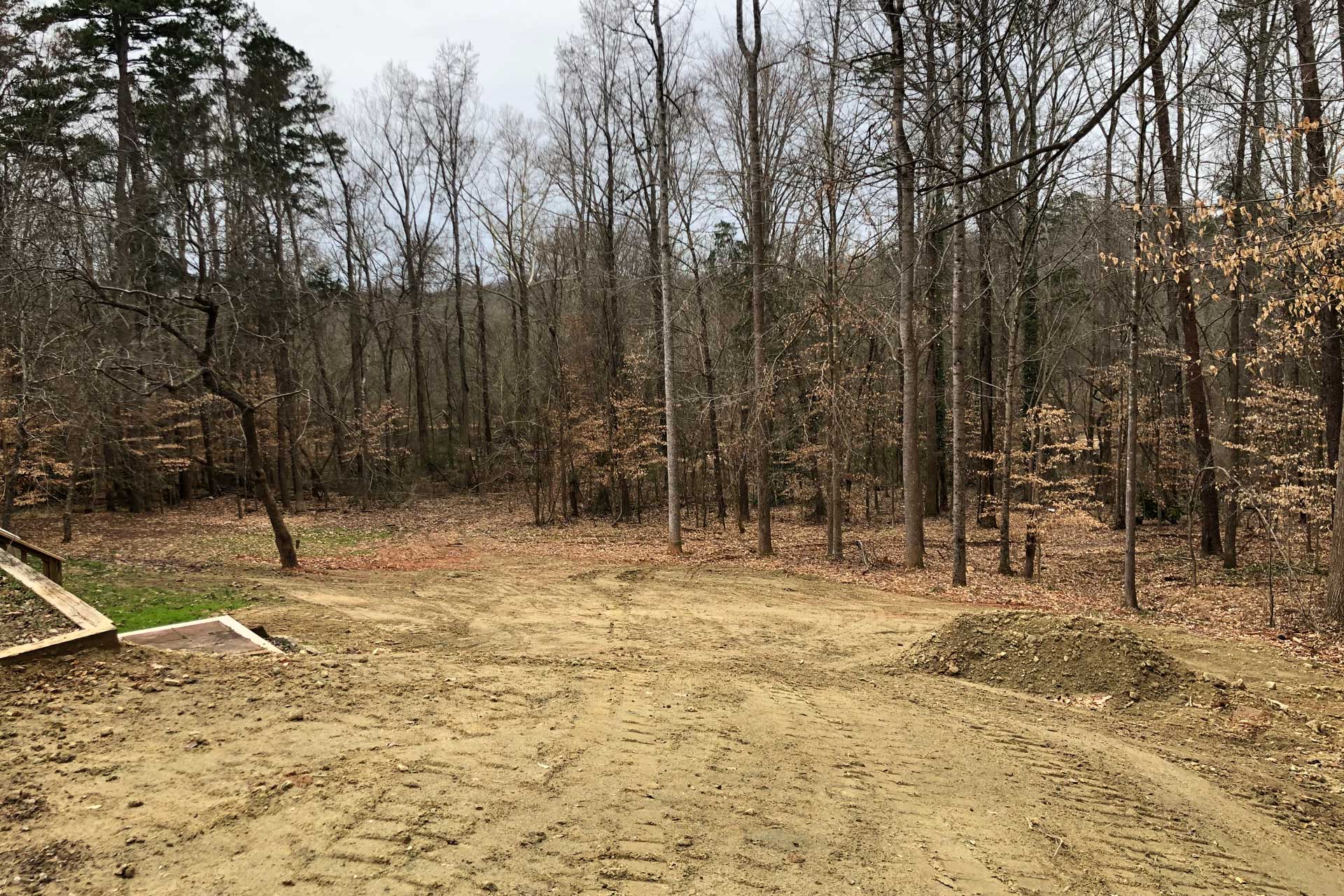
Before confirming grading and leveling scope or pricing, the site needs to be seen in person. A contractor reviews overall site conditions, including how steep the land is and how stable the soil appears. That evaluation helps determine how much earth must be moved, whether areas may need to be cut or filled, and how to approach compaction so the finished surface will support what you plan to build. Apex requires this kind of evaluation—focusing on site conditions, slope, and soil stability—before finalizing grading plans or providing a project‑specific estimate.

From uneven ground to a build‑ready surface

After the evaluation, grading and leveling proceeds in planned stages. Using excavation and grading equipment, the contractor shapes the site so that areas where structures or other improvements will go are brought to the elevations your plans call for. High spots are reduced, low areas are filled and compacted, and surfaces are smoothed so they are ready for the next phases of work. On a typical project, this might mean forming a pad for a house or garage, shaping the approach for a driveway, and setting surrounding ground to shed water away from those improvements.

Decision guide

Testing Whether Grading & Leveling Fits Your Project

Once you understand the basics, the next step is to compare grading and leveling against what you plan to build, the condition of your land, and the project priorities you care about most.

Projects that usually need grading & leveling

If you are preparing for new construction or substantial site improvements on previously uneven or sloped land, grading and leveling is often part of the plan. That includes work such as new homes, garages, shops, driveways, or similar projects that depend on a stable base. Apex’s grading and leveling service is designed to support these kinds of improvements by creating a build‑ready site with proper elevation and drainage. When you meet with a contractor, explain exactly what you intend to build and where it will sit so they can confirm how much grading is truly needed.

When a lighter approach may be enough

Some projects do not require full reshaping of the site. Areas that will not carry heavy loads or support structures may only need limited smoothing or minor adjustments to feel usable. During an on‑site visit, you can ask the contractor which parts of your property must be carefully graded to support buildings, driveways, or other critical improvements and which areas might function well with a lighter touch. That discussion helps you focus grading where it matters most, instead of paying for more work than your plans actually require.

How site conditions affect scope and pricing

Apex notes that pricing for grading and leveling depends on site size, slope, soil conditions, and the overall scope of grading. Steeper ground, larger areas, and more challenging soils typically require more time and equipment to reach a stable result. Because there is no flat‑rate price, a site visit is needed before you receive an estimate. Use that visit to talk about your priorities and ask about options so the recommended grading plan fits both your property and your budget.

Coordinating grading with other site development work

Grading and leveling rarely happen in isolation on a construction site. Apex offers related services such as land clearing, drainage solutions, site development, underground utility installation, and demolition. For many projects, combining grading with some of this other work allows the contractor to sequence tasks efficiently and leave you with a site that is not only level but also cleared, drained, and ready for utilities. When you discuss your plans, make it clear whether you want help with only grading or with a fuller package of site development tasks.

Evidence and expectations

Why Contractor Background Matters for Grading

Grading is part of larger site development, not just moving dirt. The experience and scope of the contractor you choose affects how confidently you can move ahead with foundations, driveways, or other improvements.

Experience in excavation, grading, and site development

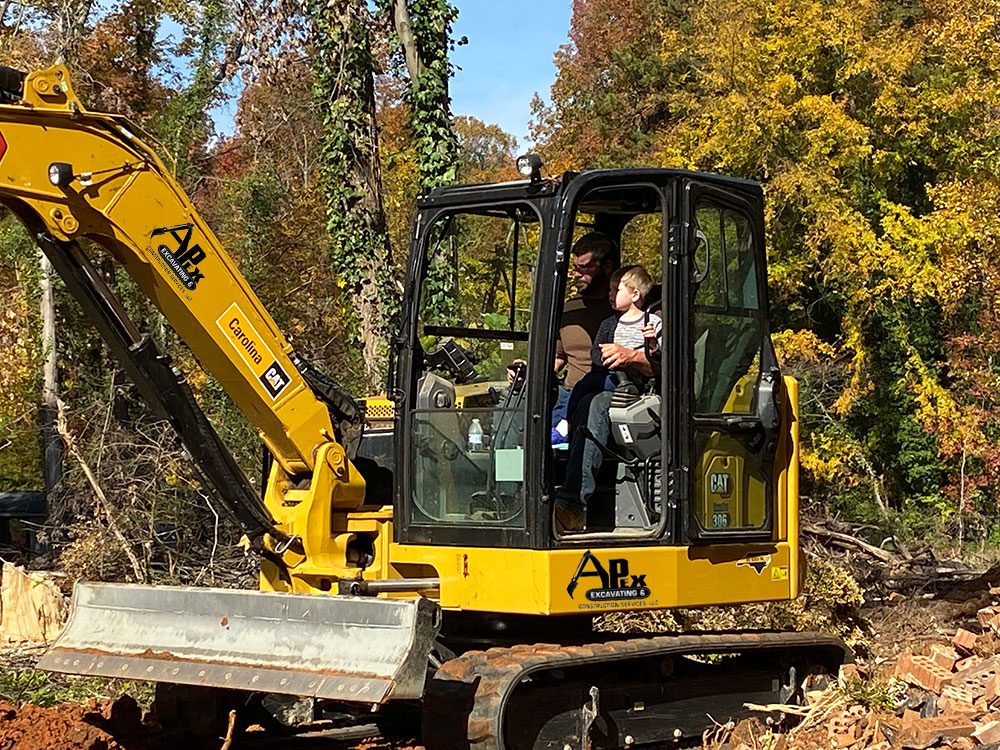
Apex Excavating & Construction Services reports more than 30 years of experience specializing in residential and commercial site development, excavation, and grading. That long track record in the specific type of work you need means the team is familiar with how different sites respond when they are cut, filled, and compacted. You can use this background as a starting point to ask about projects similar to yours and how they approached grading and leveling in those situations.

Handling the full range of site work, not just grading

Public information shows that Apex provides land clearing, grading, drainage solutions, underground utility installation, and broader site development services for residential and commercial projects. For grading and leveling, this wider scope can be valuable, because the contractor can look beyond the immediate task of smoothing the ground and consider where utilities will run, how water will be managed, and how the site will function when your project is complete. When you speak with them, you can ask how they would coordinate these services on your property.

What to confirm during your estimate visit

While the company’s experience and services are documented, many practical details will still come from a direct conversation and an on‑site evaluation. During that visit, you can ask who will be responsible for day‑to‑day grading work, how changes in scope are handled, and how they will check that elevations and drainage match your plans. Clarifying these points alongside the official estimate helps you understand how the project will run once equipment is on your property.

Main website image
Main website image
Local context · Stokesdale, NC

Grading & Leveling for Greensboro, Forsyth County & the Triad

Apex Excavating & Construction Services is based in the Triad and provides excavation and related site work for residential and commercial properties in Greensboro, Forsyth County, and surrounding communities. For grading and leveling, that local focus means estimates and recommendations are built around the kinds of sites common in this region, from infill lots in Greensboro to larger tracts elsewhere in the Triad. If your property is in Greensboro, Forsyth County, or another Triad community, you can speak with a contractor who already coordinates projects around local conditions and regional requirements as part of broader site development work. That conversation can clarify whether you only need grading and leveling for a house pad or driveway, or whether it makes sense to combine it with land clearing, drainage work, or underground utilities while equipment is already mobilized in your area.

Questions worth asking

Questions Homeowners & Builders Often Ask About Grading

Once people see what grading and leveling involve, they usually have follow‑up questions about slope, timing, and how this work fits into the rest of their construction or site development plans.

How do I know if my land is too uneven and needs grading?

If you plan to build or install something that depends on a stable, fairly level base—such as a house, garage, shop, or driveway—and the ground in that area has noticeable slopes, dips, or soft spots, grading is worth discussing. A contractor still needs to visit the site, because the final decision depends on overall site conditions, slope, and how stable the soil is. Apex requires an on‑site evaluation of those factors before confirming a grading and leveling scope or price.

Where does grading and leveling usually fall in the construction process?

Grading and leveling is part of pre‑construction site development. It is performed after the contractor understands your plans and has evaluated the site, and before your improvements rely on that ground for support. For example, Apex describes grading and leveling as preparing your land to the proper elevation and drainage so it is ready for building. During your planning, ask your contractor to explain when they expect to complete grading relative to your other site work and construction steps.

Can grading and leveling help with drainage issues?

Yes, grading and leveling can be an important part of improving drainage. Apex’s grading service is specifically described as shaping and smoothing land to proper elevation and drainage so your site is stable and build‑ready. The company also offers drainage solutions as part of broader site development work. When you meet on site, point out any areas where water tends to collect so the grading plan and any additional drainage work can be designed together.

Why is an on-site evaluation required before I get a price?

Apex explains that pricing for grading and leveling depends on site size, slope, soil conditions, and scope. Those factors cannot be judged accurately from a simple description or a map. An on‑site evaluation lets the contractor see how steep the ground is, how stable the soil appears, and how much of the site needs to be reshaped. Only then can they define a realistic scope of work and prepare a project‑specific estimate for your grading and leveling.

What information should I share when I contact a grading contractor?

You will get more out of the first conversation if you clearly describe what you plan to build, where it will go on your property, and any problem areas you have noticed on the land. When you reach out to Apex Excavating & Construction Services, be ready with your property location, the type of project you are planning, and any existing surveys or drawings you may have. That information helps them evaluate whether grading and leveling is a good fit and what they will need to review during the on‑site visit.

Your next step

Ready to Talk Through Your Site?

If you suspect grading and leveling may be part of your project, the next useful step is a direct conversation backed by an on‑site visit. Apex Excavating & Construction Services can walk your property, look at slope and soil conditions, and explain what level of grading they believe is appropriate for what you plan to build. Call 336-314-0272 or use the contact form on their website to request an evaluation. Share any surveys, drawings, or concept sketches you have. That first visit is about aligning the condition of your land with your construction plans so you can move forward with clear expectations on scope and cost.

Main website image