Demolition that clears the way for construction

Demolition Contracting in Stokesdale, NC

When an existing building, slab, or other structure is in the way of your project around Stokesdale, demolition is the first major step. Apex Excavating & Construction Services performs structure removal as part of its site work, so the focus is on leaving you with land that can move toward build‑ready condition, not just a pile of debris.

Main website image
The short answer

What matters most

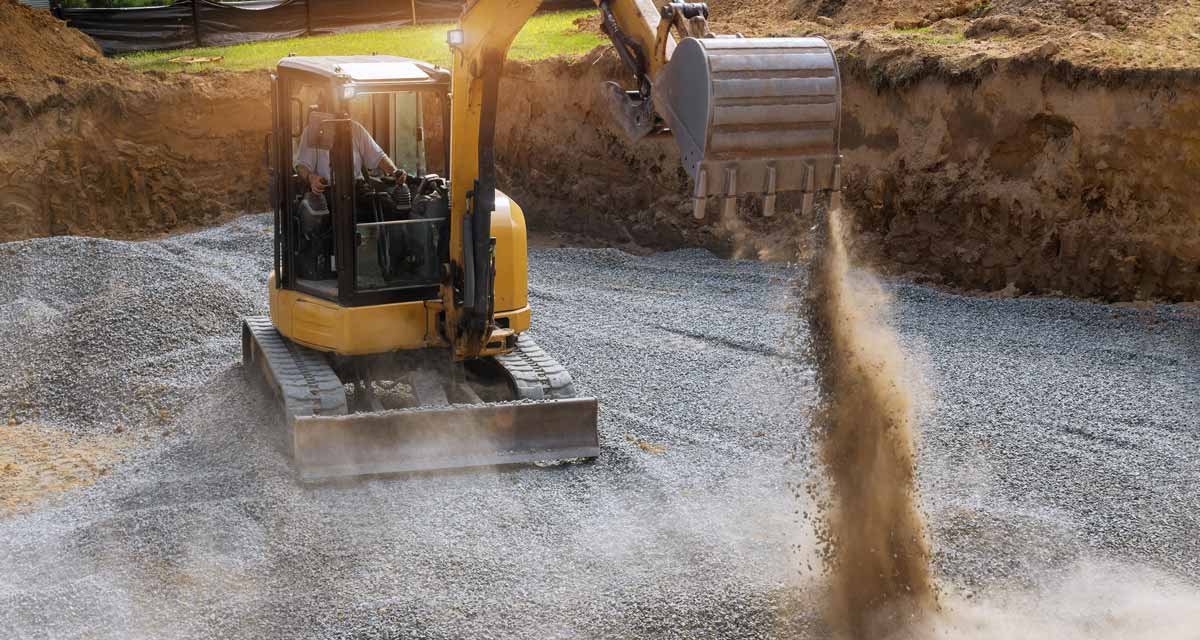
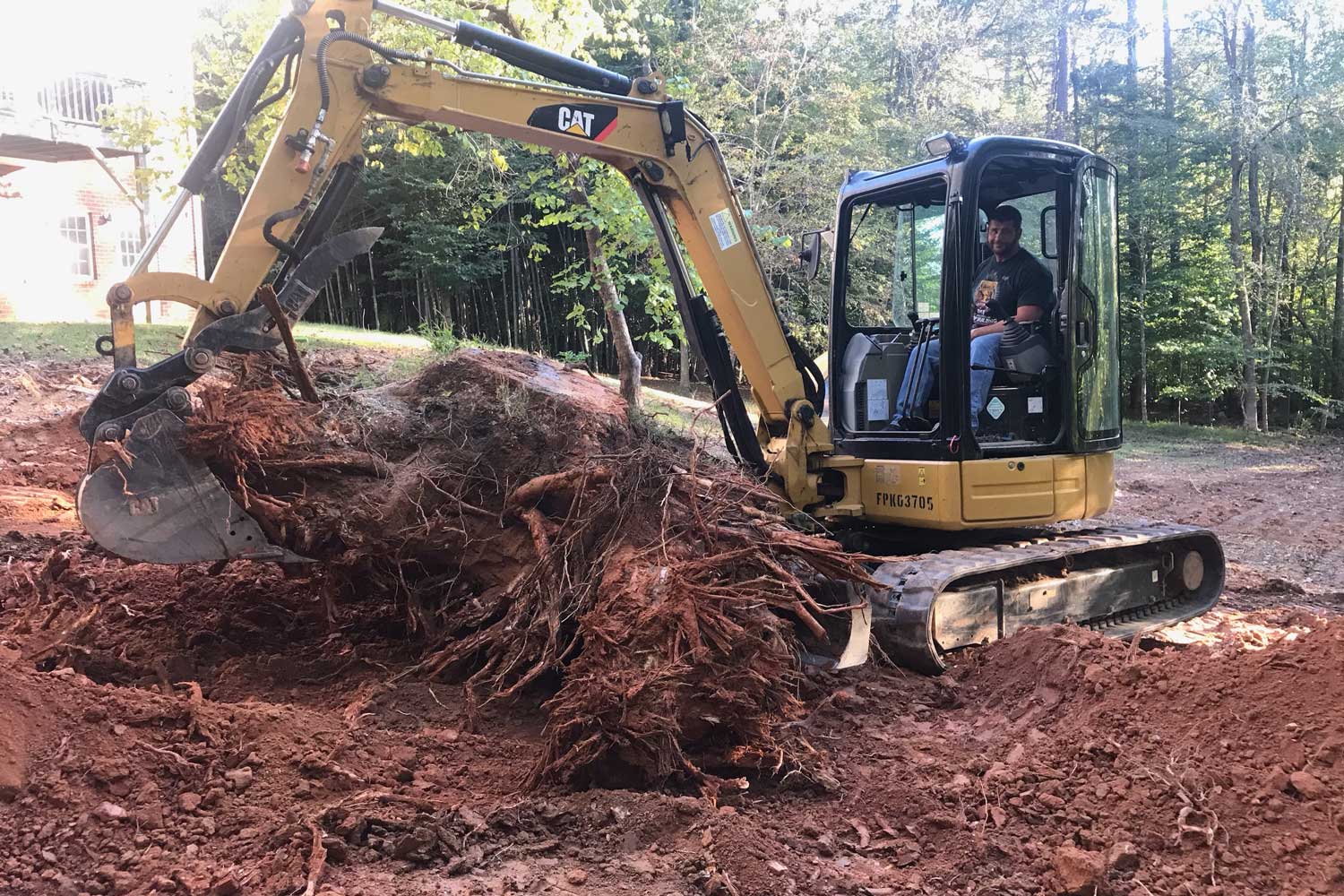
Demolition contracting in Stokesdale, NC is the planned removal of existing buildings, slabs, or other structures so land can be safely cleared for new construction or redevelopment. Apex Excavating & Construction Services meets with you to review what must be removed, evaluates structure type, site access, nearby utilities, and debris hauling needs, then mobilizes equipment and crews to tear down and remove the structures. Once demolition and removal are complete, the site can be coordinated with additional services such as land clearing, grading, drainage improvements, or underground utilities if your project requires broader site development.

Demolition contracting in Stokesdale focuses on safely removing existing buildings, slabs, and other structures so land can be cleared for new construction or redevelopment.
Apex Excavating & Construction Services offers demolition as part of a broader set of site‑development services, which can help move a property from structure removal toward build‑ready condition when needed.
Project suitability and pricing depend on structure type, site access, nearby utilities, site conditions, and debris hauling requirements, which are reviewed during the estimate process.
Putting a detailed demolition scope in writing—what is being removed, what must stay, and the expected final site condition—reduces confusion, change orders, and budget surprises.
Local site conditions around Stokesdale, including access and typical Triad weather and soil patterns, should be discussed with your contractor when setting demolition scope, schedule, and expectations.
Main website image
A useful way to think about it

How demolition contracting typically runs in Stokesdale

If you have never hired a demolition contractor before, the process can feel vague. This section walks through the main phases of a typical demolition job so you know what information to gather, what to ask for in writing, and what happens between your first call and a cleared site.

1. Site review and defining what must be removed

Every reliable demolition plan starts with a clear definition of what is being taken down and what must remain. During early discussions and any site visit, a contractor will ask you to identify the structures and slabs involved and to point out any features you want to keep. They will also want to understand your general plans for the property after demolition, because future construction or site development can influence how they approach removal and cleanup. Around Stokesdale, where properties can range from smaller residential lots to more open parcels, expect questions about access routes for equipment and trucks, overhead lines, nearby buildings, and any prior excavation or site work that might affect the job.

2. Evaluating structure type, utilities, and surroundings

Before equipment arrives, the contractor needs to understand how the structure was built, what it is made of, and what surrounds it. Different construction types and heights influence which machines and sequence of work are appropriate. Utilities are a central part of this evaluation. The contractor will want to know where water, sewer or septic, power, gas, and communication lines are located and whether they are active. Part of your early conversation should cover who will arrange for utility shutoffs and any required confirmations. Nearby homes, wells, trees, or driveways you plan to keep will also be taken into account so demolition and debris removal can be planned to limit unnecessary disturbance of areas you intend to reuse.

3. Planning debris handling, hauling, and site condition afterward

Demolition produces substantial debris, and dealing with that material is a major share of the work. Early in the process, ask the contractor to spell out how debris will be collected, hauled away, and disposed of, and how many truckloads they expect based on what is coming down. Just as important, clarify what your site will look like after demolition is complete. Some owners only need structures and slabs removed, leaving the ground as‑is. Others want the area rough‑graded to support the next phase of construction or site development. Around Stokesdale, hauling distances, access conditions, and the amount of material to be removed can all affect how long the contractor will be on site and how your quote is structured, so these details should be addressed in writing before work begins.

Decision guide

Key decisions when planning your demolition

Demolition choices made up front affect cost, schedule, and how smoothly the rest of your project unfolds. Use this section to think through scope, how demolition fits with other site work, and how you want risk and timing handled before you agree to a contract.

Clarifying your demolition scope in writing

One of the most important choices you make is how precisely you describe the demolition work on paper. A short note such as “remove building and clean up” can leave too much room for different interpretations. Instead, work with the contractor to list the structures and slabs to be removed, identify features that must stay, and state what condition you expect the ground to be left in once work is finished. Note any constraints, such as protecting particular trees or limiting work to specific hours. A clear, written scope helps keep everyone aligned, makes it easier to compare any alternative quotes, and reduces the chance of disagreements about what is or is not included in the agreed price.

Deciding how demolition ties into broader site work

Another key decision is whether demolition will stand alone or be combined with additional site services. Approved information confirms that Apex provides land clearing, grading and leveling, drainage solutions, underground utility installation, and broader site development. For some Stokesdale projects, it can be practical to bundle demolition with these related tasks so that one contractor plans how the site will move from structure removal through to build‑ready condition. In other cases, you may choose to use different providers for later stages. If you do, ask all parties to coordinate on elevations, drainage expectations, and utility routes so demolition does not create issues for the next contractor in line.

Understanding what drives pricing and risk

Because Apex bases demolition pricing on project‑specific reviews, your focus should be on what shapes that quote and how unexpected conditions will be handled. Documented guidance notes that structure type, site conditions, access, and debris hauling needs all influence cost. Ask the contractor which assumptions they have made about the structures and ground, and what would cause the price to change once work begins. It is helpful to talk through how they will address unknowns such as hidden slabs, buried debris, or unmarked utilities if they are encountered, and how those findings will be communicated and priced. Treat this as part of your written agreement so both sides know how risk is shared.

Coordinating demolition timing with your project

Demolition timing matters both for your own plans and for neighbors or nearby businesses. Discuss when you need the site cleared, how that date fits the contractor’s current schedule, and what has to happen before they can start, such as utility coordination or access improvements. Around Stokesdale and the wider Triad, weather and soil conditions can influence when heavy equipment can safely access some sites, especially where drives or access lanes are unpaved. Ask how long the contractor expects to be on site and what might extend that schedule. Aligning these details early makes it easier to coordinate follow‑on work such as grading, drainage, or construction once the structures are removed.

Evidence and expectations

Why consider Apex for demolition and related site work

When you are removing structures to prepare land for new use, you want a contractor that regularly works with soil, grades, and utilities—not just someone who can knock things down. This section summarizes documented strengths and capabilities relevant to demolition and site preparation.

Complete site‑development services in addition to demolition

Approved service information shows that Apex Excavating & Construction Services provides land clearing, grading and leveling, drainage solutions, underground utility installation, and broader site development for residential and commercial properties in the Greensboro‑area Triad. Demolition and structure removal are documented as part of this work, clearing sites so they can be prepared for new construction or redevelopment. For Stokesdale owners, this means you can speak with one contractor about both taking down existing structures and, when needed, carrying the site forward into other phases of preparation.

Decades of excavation and grading experience

Apex’s published business information notes over 30 years of experience specializing in residential and commercial site development, excavation, and grading. That background is directly relevant to demolition. Bringing down buildings and slabs is only one piece of turning a property into a usable site. Understanding how soil, foundations, drainage, and grading interact helps a contractor plan demolition so it supports later phases instead of creating extra work or unstable ground conditions that must be corrected afterward.

Established work across the Triad region

Approved market information confirms that Apex serves residential and commercial customers throughout the Triad region from its North Carolina base, including Greensboro and Forsyth County communities. Demolition, excavation, grading, land clearing, and related site work are coordinated from within this service area, rather than as occasional out‑of‑area jobs. For a Stokesdale project, that regional focus means you are working with a contractor already familiar with typical local site conditions and with organizing equipment and crews around Triad‑area schedules.

Main website image
Main website image
Local context · Stokesdale, NC

How local conditions shape demolition around Stokesdale

Stokesdale sits within the broader Triad region of North Carolina, where Apex Excavating & Construction Services is based and active on residential and commercial site work. Properties in and around town range from smaller lots to larger tracts, and that variety affects how demolition is planned. On some sites, equipment access and hauling routes are straightforward. On others, narrow drives, soft ground, or nearby structures must be accounted for when planning how to bring in machines and remove debris. Because Apex focuses its work around the Triad and is located in Stokesdale, they can look at your site in context with other jobs in the region and schedule demolition alongside related work such as grading, drainage, or underground utilities if those services are part of your plans. When you speak with any contractor, ask how they will handle access to your specific property, what condition they will leave the site in after debris removal, and how their expected schedule fits typical weather and ground conditions in this part of North Carolina.

Questions worth asking

Demolition contracting questions from Stokesdale owners

Once owners realize a structure has to come down before new work can begin, the same practical questions tend to come up. These answers focus on how demolition scope, pricing, responsibilities, and safety are usually handled so you can approach contractor conversations with more confidence.

What kinds of structures can a demolition contractor remove in Stokesdale?

Exact capabilities depend on the contractor and must be confirmed for your specific project, but approved information for Apex describes demolition as the removal of existing buildings, slabs, or other structures to clear land for new construction or redevelopment. During the estimate process, you can expect the contractor to review the structures you want removed, look at site access, and explain any limitations related to structure type, size, or proximity to nearby improvements before committing to scope and pricing.

How is demolition pricing determined if no fixed rates are listed?

Demolition pricing in Stokesdale is not a flat rate because each site and structure is different. Apex bases demolition costs on a project review that looks at the scope of work, the type of structures involved, site conditions, access for equipment and trucks, and debris hauling requirements. When you request an estimate, share clear photos, approximate dimensions, and any information you have about prior work on the property. Ask the contractor to point out which factors most affect your price and to make sure the written proposal reflects the details you discussed.

Do I need to handle permits for demolition in Stokesdale, or does the contractor?

Permit rules and responsibilities can vary by jurisdiction and by project, and the approved information does not specify how Apex handles permits on individual jobs. Because of that, you should treat permits as an early discussion topic. Ask the contractor which permits or approvals are likely required for your address, who will apply for them, and how long that process normally takes. It is also a good idea to contact your local municipality or county building office directly so you understand any responsibilities that you, as the property owner, must personally fulfill.

What should I do about utilities before demolition starts?

No structure with active utilities should be demolished until those services are properly addressed. Apex’s qualification notes explain that nearby utilities are reviewed as part of determining project suitability and planning the work, but they do not spell out which party contacts each provider. In your initial conversations, ask for a clear explanation of how water, sewer or septic, electricity, gas, and communication lines will be handled. Clarify which tasks you must arrange and which the contractor will coordinate, and request that verification steps be built into the plan before equipment begins demolition on site.

Can I stay on the property during demolition work?

Whether you can remain on the property during demolition depends on how close your home or business is to the work area, how access is arranged, and the contractor’s safety policies. The approved materials do not describe Apex’s specific rules, so this is something to ask them directly. In general, active demolition zones are restricted to the crew due to falling debris, moving equipment, and dust. If you live or operate nearby, talk with the contractor ahead of time about when driveways may be blocked, where you can safely be during work hours, and whether there will be periods when staying away from the immediate area is recommended for safety or noise reasons.

Your next step

Talk with a demolition contractor about your Stokesdale site

If a building, slab, or other structure is standing in the way of your next project, a focused conversation can clarify what is involved in taking it down. Apex Excavating & Construction Services can review your site, discuss what you want removed, look at access and nearby utilities, and explain how demolition pricing is shaped by those details. They can also describe how demolition may connect with other site work such as land clearing, grading, drainage, or underground utility installation if you need a more complete path toward a build‑ready property. Call 336-314-0272 or use the contact options on their website to share project information and photos so they can respond with next steps specific to your Stokesdale demolition needs.

Main website image