Before You Call a Contractor

Get Ready for Your First Call with a Contractor

Your first conversation with a general contractor shapes everything that follows. When you come prepared with clear project goals, site information, timing, and a realistic budget range, the contractor can respond with focused guidance instead of guesses.

Main website image
The short answer

What matters most

For a productive first conversation with a general contractor, come prepared with a plain-language description of what you want done, the property address and any site access details, and any target dates or firm deadlines. Be ready to share the general outcome you expect, a budget range you are comfortable discussing, and any plans, sketches, photos, or reports you already have. Separate must-have requirements from nice-to-have options, identify the main decision-makers, and bring a short list of questions about scope, schedule, and how changes or extra costs will be handled.

Come to your first contractor conversation with a clear, written description of your project goals and why you want the work done.
Location and basic site access details are essential information that shape how a contractor evaluates and schedules your project.
Having a realistic budget range ready to discuss lets the contractor explain meaningful options and tradeoffs instead of guessing what you can afford.
Supporting materials such as surveys, drawings, notes, or photos are not mandatory but can greatly improve the quality of early guidance.
In the Triad and Greensboro area, bringing accurate property location details helps a local contractor quickly confirm that your project is within their regular service area and plan appropriate next steps.
Main website image
A useful way to think about it

What to Bring So Your First Conversation Actually Helps

A general contractor organization can only give useful guidance when they understand your project, your site, and your constraints. This section walks through the information and documents that make that first conversation concrete and efficient, plus how much detail is enough at this early stage.

1. A clear, simple description of what you want to build or fix

Begin with plain language. Write a short paragraph that explains what you want done and why. For example, you might be preparing raw land for a new house, cleaning up a commercial parcel for redevelopment, or addressing water problems near an existing building. Note whether the work involves new construction, repairs, or both. If you already know you will need site work such as land clearing, grading, drainage improvements, underground utilities, or demolition of old structures, list those items in your notes. The goal is not a perfect scope, but a clear starting point the contractor can react to and refine with you.
2. Property location and basic access information

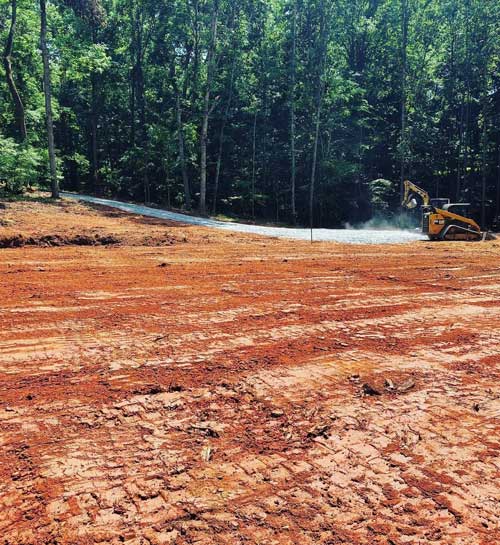
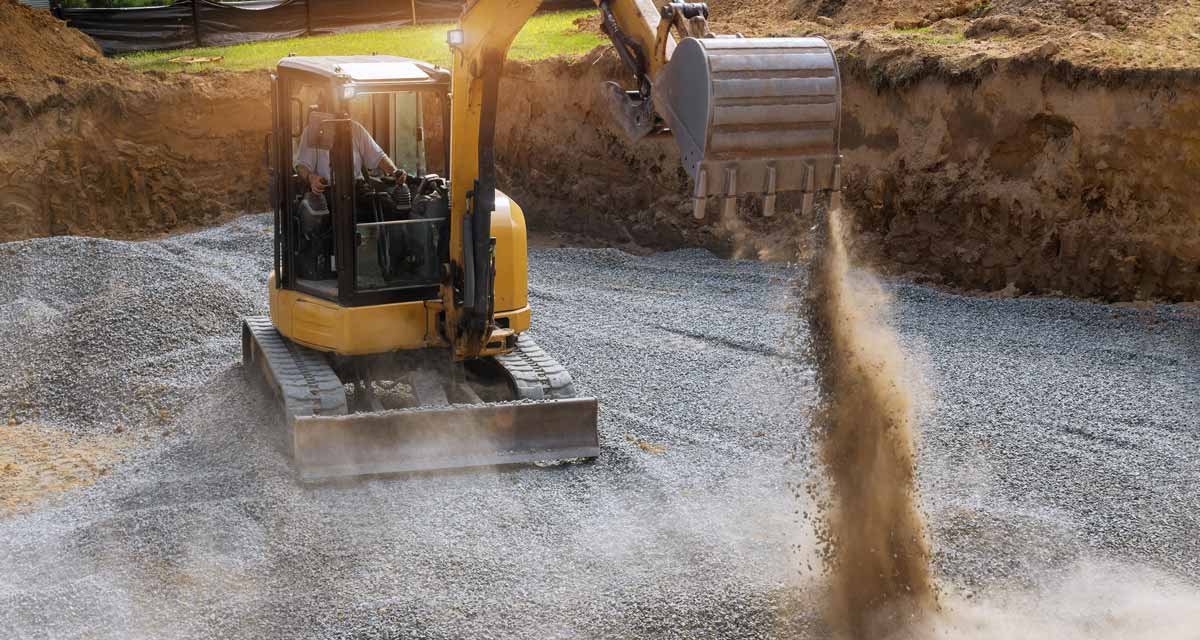
Contractors planning excavation and site development need to know where the work will take place and how people and equipment can reach it. Bring the full property address and any lot or unit numbers. Add a short note on access: whether there is an existing driveway or entrance, whether equipment would need to cross grass or unfinished ground, and whether there are gates or shared roads to consider. If your site is part of a larger development, mark which parcel is yours on a printed map or screenshot. Accurate location and access details help the contractor judge what is realistic for scheduling a visit and planning day-to-day operations.

3. Timing: your target window and any firm deadlines

You do not need exact start and finish dates, but you should have a rough timeframe in mind when you speak with a contractor. Note when you would like work to begin, whether there is a fixed deadline tied to financing, a lease ending, or another phase of construction, and how flexible you can be. Site development, grading, and underground utility work often depend on sequencing with other parts of the project. If you expect work to happen during a specific season or around other commitments, explain that upfront so the contractor can talk through what timing might be realistic and what needs to be in place before they can start.

Decision guide

Using That First Conversation to Make Real Decisions

Once you have your notes and documents gathered, the next step is using that first conversation to clarify scope, timing, and budget. This section shows how to steer the discussion so you leave with clear next steps instead of more uncertainty.

Turn your notes into a focused agenda for the call

Once you have gathered your project description, site details, timing, and any supporting documents, turn them into a short agenda. Decide what you most want from the first conversation, such as confirming whether your goals are realistic, learning what information is still missing, or understanding how they move from an initial call to an in-person visit and estimate. Share this agenda at the start of the conversation. It keeps the discussion on track and gives you a consistent way to compare how different contractors listen, clarify, and respond to the same questions.

Use budget to frame options, not to hide concerns

Before your first call, choose a budget range you are comfortable discussing for the phase of work you are planning. Sharing that range gives the contractor context so they can explain what might reasonably fit and where tradeoffs usually appear. You can then talk about which pieces of work are essential for your project to move forward and which could be postponed or handled in a later phase. This does not replace a project-specific estimate, but it does turn a vague conversation into one grounded in your actual constraints.

Clarify the role you want the contractor to play

A general contractor organization may handle both vertical construction and site development, while a site-focused contractor may concentrate on excavation, grading, drainage, utilities, and related work. Before you talk, decide which responsibilities you hope this contractor will take on and which you plan to manage separately. During the conversation, ask them to outline the types of work they typically perform and how they coordinate with other parties on a project. That way, you can see whether their normal role matches what you have in mind and whether you need to involve additional professionals as your plans develop.

Capture key points and next steps while they are fresh

After your conversation, write down what you learned about likely scope, the sequence of work, and what needs to happen before an estimate can be prepared. Note any items you agreed to provide, such as drawings, survey information, or clearer access arrangements for a site visit. If you speak with more than one contractor, keeping your notes organized makes it easier to compare how each one understood your goals and what steps they proposed. You can then confirm that any written proposal you receive reflects what was discussed in that first conversation.

Evidence and expectations

Why Preparation Matters for Site Development Contractors

For excavation, grading, drainage, underground utilities, and broader site development, early information shapes the whole project. This section explains how a contractor with coordinated site work experience can put your preparation to work.

Coordinated site development for residential and commercial projects

Apex Excavating & Construction Services specializes in residential and commercial site development, excavation, and grading. Their work includes services such as land clearing, grading and leveling, drainage solutions, underground utility installation, and demolition contracting to prepare sites for construction. When your first conversation clearly explains what you are building and what the property currently looks like, it is easier for a contractor with this range of services to see how different pieces of site work may fit together for your project.

Decades of experience shaping early project decisions

With over 30 years of experience in residential and commercial site development, excavation, and grading, Apex Excavating & Construction Services is familiar with how early decisions about scope, access, and sequencing affect the rest of the work. When you arrive with clear priorities, timing expectations, and supporting information, they can use that experience to explain what typically needs to happen first, which services are likely to be involved, and what they would need to review on-site before preparing a detailed estimate.

Local Triad and Greensboro service focus

Apex Excavating & Construction Services serves residential and commercial customers in Greensboro and throughout the Triad area from its North Carolina base, including communities such as Stokesdale and Forsyth County locations. Because their equipment and scheduling are organized around this region, bringing accurate local details—like your property address and the general area where work will take place—helps them quickly determine how your project fits into their regular service area and what the next practical steps should be.

Main website image
Main website image
Local context · Stokesdale, NC

Preparing for Contractor Conversations in the Triad

In and around Greensboro and the broader Triad area, Apex Excavating & Construction Services provides excavation, grading, drainage, land clearing, demolition contracting, underground utility installation, and related site development work for residential and commercial properties. When you are getting ready for a first conversation in this region, start with the basics that help a Triad-based contractor quickly understand your project: the full address, a brief description of where the work will happen on the property, and any simple notes on how equipment can reach that area. If your property is in communities such as Stokesdale, Greensboro, or elsewhere in the Triad, jot down whether there is an existing drive or entrance, and whether access is shared or limited. You do not need every permit or engineering drawing in place before you call, but having location details and a clear picture of what you want done makes it easier for a local contractor to decide what kind of site work—such as land clearing, grading, drainage improvements, underground utilities, or demolition—may need a closer look during a follow-up visit.

Questions worth asking

Questions People Ask Before Their First Contractor Call

Many property owners feel unsure about what is “enough” to bring to an initial contractor conversation. These questions clarify how prepared you really need to be and what typically happens next.

Do I need final architectural or engineering plans before talking to a contractor?

No. For a first conversation, it is usually enough to have a clear description of what you hope to build or improve, along with any sketches, surveys, or preliminary drawings you already have. What matters most is that you can explain the type of project, approximate size, and where it will sit on the property. During the call, ask the contractor which specific documents they will need before visiting the site or preparing a formal proposal so you can plan those next steps with your designer or engineer if needed.

How detailed should my budget be at this stage?

You do not need a line-by-line budget for the first conversation, but you should have a realistic range you are prepared to discuss. Think about what you are willing to invest in the phase of work you are planning and any limits you cannot exceed. Share those boundaries and ask the contractor which parts of the work tend to influence cost the most. They may need a site visit and additional review before giving firm pricing, especially for excavation, grading, drainage, and underground utilities, but an honest budget range helps them give more useful feedback from the start.

Who from my side should be on the first call or meeting?

Include anyone who will make decisions about scope, budget, or schedule as early as possible. For a residential project, that might be a spouse or co-owner. For a commercial site, it might be a project manager, partner, or facilities lead. When key decision-makers hear the same explanations and options directly from the contractor, it reduces misunderstandings and the need to repeat the same conversation several times later.

What if I am not sure exactly which services my project requires?

It is common to know the result you want without knowing whether the work will involve land clearing, grading, drainage improvements, underground utilities, demolition, or a combination of these. In that situation, focus on describing the current condition of your property and the end result you are aiming for. Share photos if possible and explain any problems you are trying to solve, such as water collecting in certain areas or difficulty accessing part of the site. A site-focused contractor can often suggest which types of work are likely to be involved once they learn more about your goals and property conditions.

What should I expect to happen after the first conversation?

After your first discussion, a contractor will typically outline next steps based on what you shared. Those steps might include scheduling a site visit, requesting additional documents such as surveys or drawings, or confirming which decision-makers need to be involved before they prepare a written estimate or proposal. They may be able to give you a general sense of feasibility or timing, with the understanding that firm pricing and scheduling depend on seeing the site and confirming the final scope. Use this follow-up phase to make sure you understand what they need from you and how the process will move forward.

Your next step

Ready to Talk Through Your Project?

If you have basic project notes but are not sure how to move forward, a direct conversation with a site development contractor can clarify your options. Organize the items described on this page, then reach out to discuss excavation, land clearing, grading, drainage, underground utility installation, demolition, or broader site development for your residential or commercial property in the Triad. To start that discussion with Apex Excavating & Construction Services, call 336-314-0272 or use the contact options on their website to share your project details and request a follow-up.