Choosing a General Contractor Organization

Experience and Proof to Check Before You Hire

Your project may only be built once, but your contractor’s experience will shape it every day. Before you commit, you need more than a friendly conversation and a low number on a proposal. You need proof: real projects, real clients, and a clear way of working that matches what you are trying to build. This page walks through concrete types of evidence to ask for and how to judge what you see, so you can move from “sounds good” to “I can trust them with this job.”

Main website image
The short answer

What matters most

When you evaluate a general contractor organization, ask for proof that goes beyond marketing claims. Look for completed projects similar in size, scope, and site conditions to yours, with photos or plans that show what was actually built. Check for detailed, recent references you can call, plus independent reviews that mention communication, scheduling, and how problems were handled. Confirm appropriate licensing and insurance in writing. Ask the contractor to explain their process step by step, including how they plan, schedule, and coordinate related work. Finally, watch for realistic promises on cost and timing, backed by written proposals that spell out scope, assumptions, and responsibilities instead of vague, open‑ended language.

Ask contractors for proof of projects that closely match your site conditions, scale, and mix of work, not just generic portfolio highlights.
Review before-and-after evidence that shows how land was cleared, graded, drained, and prepared, then have the contractor explain the decisions behind that work.
Use references and independent reviews to learn how the contractor communicates, stays on schedule, and handles surprises in the dirt.
Insist on written proof of licensing and insurance, and expect a clear explanation of the contractor’s process from first visit through completion.
For Triad-area projects, ask specifically about experience in nearby communities and how the contractor has applied that experience to local sites.
Main website image
A useful way to think about it

A Practical Guide to Verifying Contractor Experience

Most people know they should “check experience,” but few know what that really means beyond glancing at a website. For excavation and site development work, the proof you gather ahead of time can prevent costly surprises in the dirt—unstable ground, drainage issues, schedule slips, and budget creep. Use this section as a step-by-step guide to the kinds of evidence that matter and how to read them with a critical eye, even if you have never hired a contractor before.

Start with projects that look like yours, not just any portfolio

A long list of jobs does not automatically mean a contractor can handle your specific site. Begin by describing, in plain language, what you are planning: for example, clearing and grading a wooded acre for a new house, adding a garage and driveway on a sloped lot, or preparing a commercial pad with drainage and underground utilities. Then ask each contractor for two or three completed projects that match those conditions as closely as possible. Look for similarities in site size, terrain, soil conditions, and the mix of work involved, such as grading, drainage solutions, and utility installation. Ask when the projects were done and whether you can see photos, plans, or addresses to verify that the work exists in the real world.
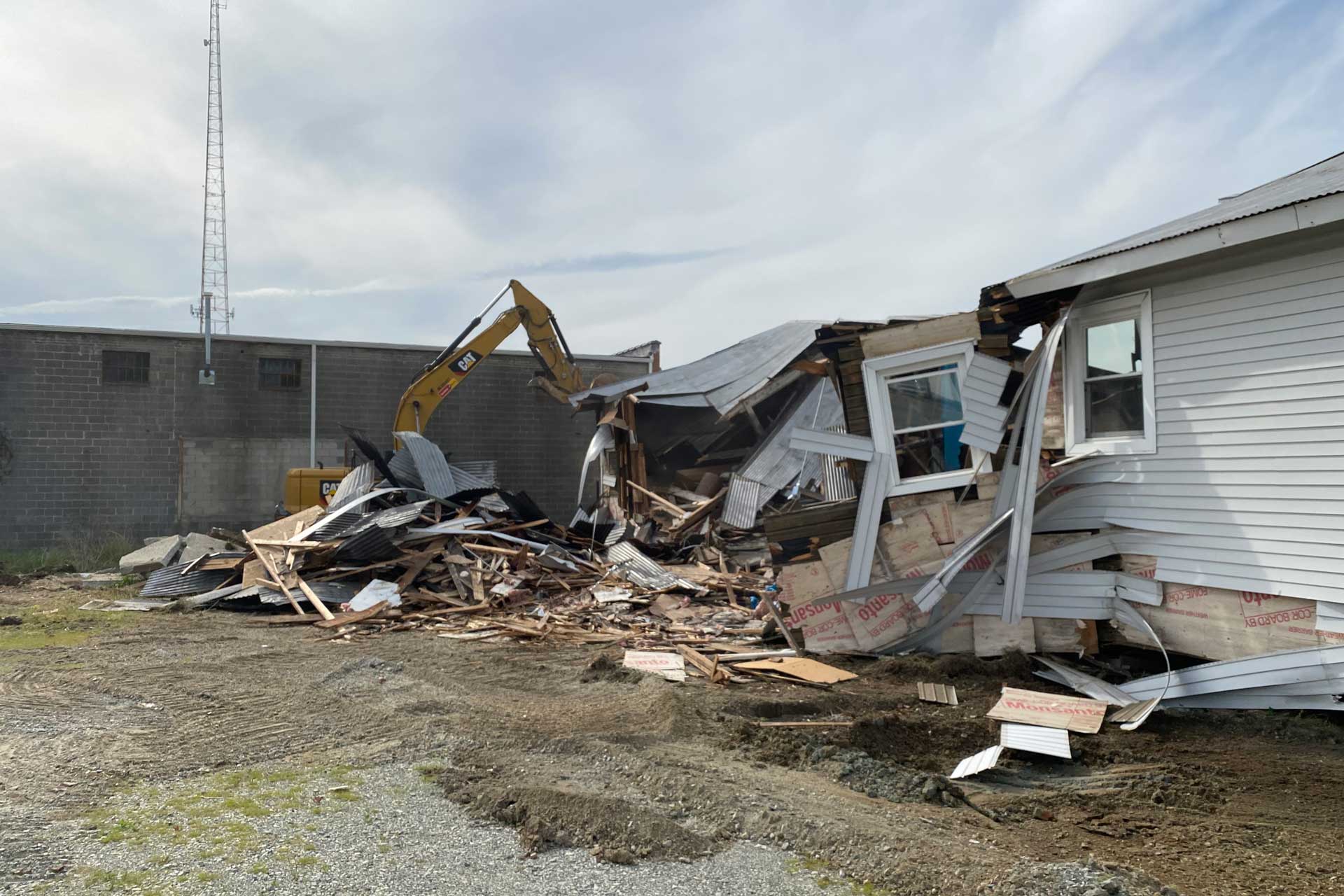
Look closely at before-and-after evidence

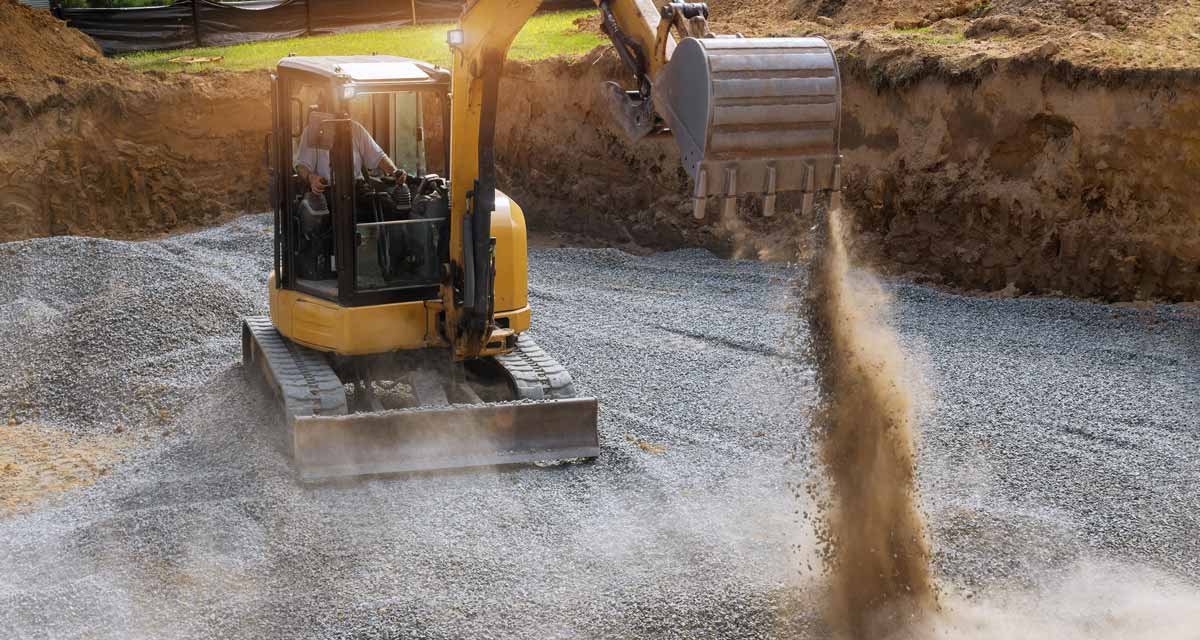
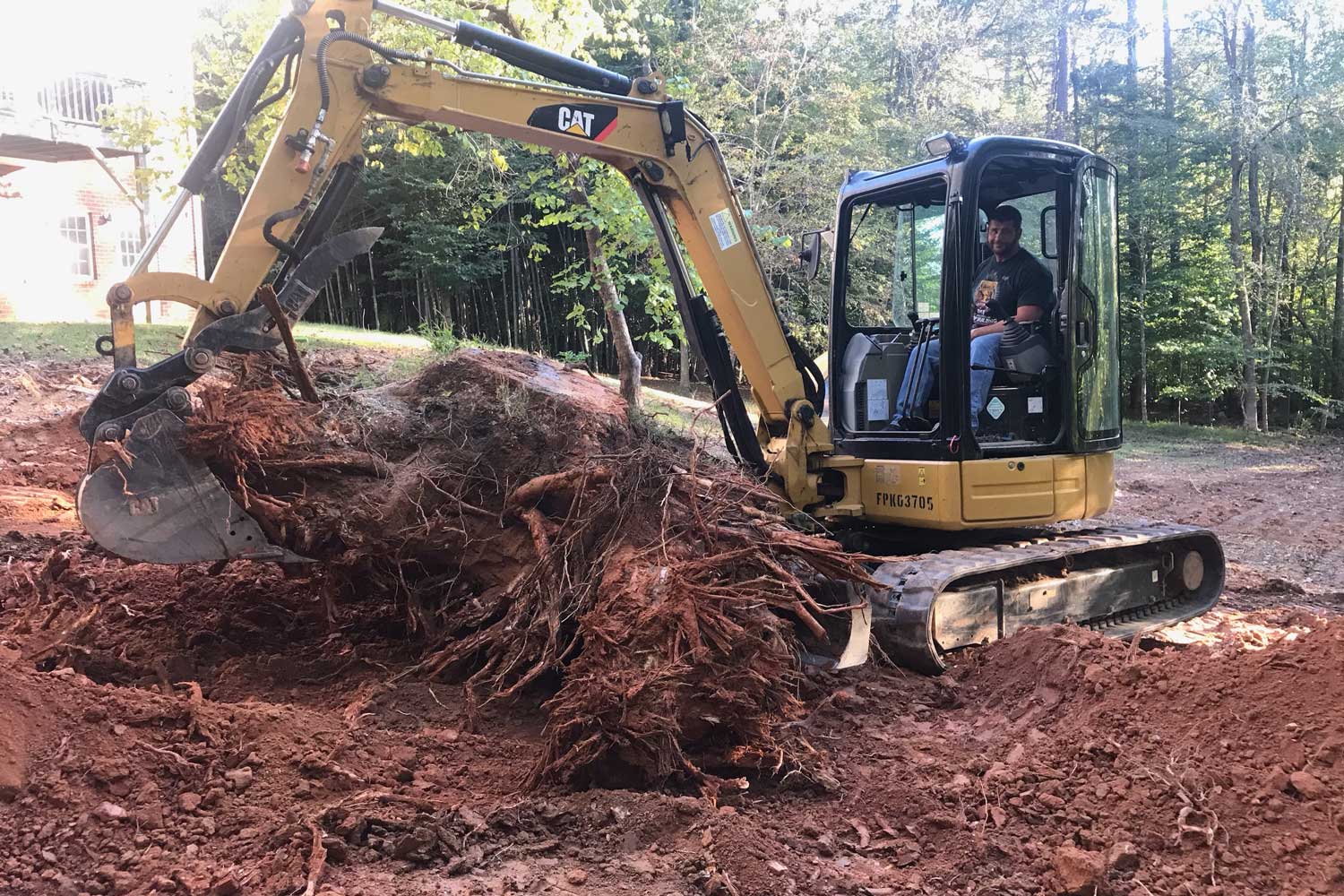
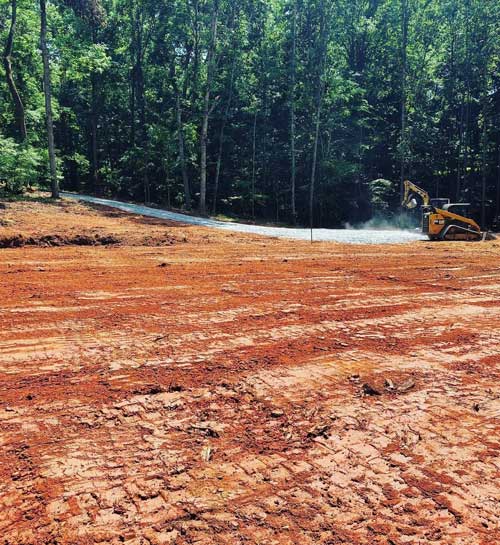
Good contractors often have more than a single polished “after” shot. For site development and excavation, the most helpful proof shows the progression: raw land, work in progress, and the final grade ready for construction. When you review photos or a gallery, look for clues. Do you see how the land was shaped to handle drainage? Can you recognize where utilities were trenched? Are there images that show compaction and base preparation for driveways or building pads? Ask the contractor to walk you through what the photos show and how the decisions they made would translate to your property. Their ability to explain tradeoffs at different stages can reveal how they think about quality beneath the surface, not just appearances.

Use references and reviews to understand how they work day to day

References and online reviews are less about perfection and more about patterns. Ask for contact information for past clients whose projects resemble yours—ideally from the last few years. When you speak with those references, go beyond “Were you happy?” Ask how communication went, how the crew treated the property, whether the schedule held up, and how any unexpected issues in the dirt were handled. Then compare what you hear with public reviews. Occasional hiccups are normal in construction. What matters is whether the contractor communicated clearly, documented changes, and finished the job in a way the owner could accept. If you see repeated comments about poor cleanup, missed calls, or unaddressed drainage problems, treat that as a sign to ask harder questions.

Decision guide

Turning Proof into a Confident Hiring Decision

Once you have examples, references, and proposals in hand, you still have to decide who will actually touch your property. That decision is easier when you use the same yardstick for every contractor instead of going on gut feel. This section shows how to line up competing options, test the proof each one offers, and decide whether they are equipped to handle the mix of excavation, grading, drainage, and utilities your project requires.

Check that their process matches the complexity of your project

Some projects are straightforward, while others involve multiple phases—demolition, land clearing, grading, drainage improvements, and underground utilities, all before a structure goes up. Ask each contractor to describe their typical process for a job like yours from first visit through completion. Listen for how they confirm site conditions, coordinate inspections, handle weather delays, and sequence tasks so that grading and utilities support the final construction. A clear, step-by-step explanation suggests they have done it many times before. Vague descriptions or skipping over crucial elements, like drainage planning or soil compaction, should prompt follow-up questions.

Line up proposals against the same written description of your project

It is hard to judge which contractor is better if each one is bidding on a slightly different job in their head. Write a short description of what you want done, including location on the property, any known site challenges, and whether you also need drainage or utility work. Share this same description, plus the same survey or drawings, with every contractor. When proposals come back, compare them item by item. Which one clearly states what is included and excluded? Who acknowledges site unknowns and explains how they will handle them? A contractor who is specific about scope, assumptions, and responsibilities is usually providing stronger proof of competence than one offering a single lump sum with little explanation.

Weigh realism in schedule and promises, not just the bottom line

Fast and inexpensive offers can sound appealing, but in excavation and site work, overly aggressive promises often lead to corners being cut or change orders later. As you evaluate experience and proof, ask each contractor what could delay the schedule and what they do when they uncover unexpected conditions like soft soil or buried debris. Notice whether they bring up real-world risks and talk about contingency plans, or dismiss concerns with blanket assurances. A realistic schedule that leaves room for weather, inspections, and coordination with other trades is a sign that the contractor is drawing on hard-earned experience, not just trying to win your signature.

Test how they respond when you ask for more proof

You do not have to be an expert to ask for better evidence. Request additional examples, clarification on a past project, or copies of licensing and insurance documents. Pay close attention to the response. Does the contractor provide what you asked for promptly and without defensiveness? Do they offer to meet on site to walk you through similar work they have done? Or do they brush off your questions as unnecessary? Contractors who are confident in their track record usually welcome the chance to show it. Resistance to basic verification is a strong signal that the relationship may be difficult once the work is underway and real decisions have to be made.

Evidence and expectations

How Apex Excavating & Construction Services Shows Its Experience

Apex Excavating & Construction Services is one option for excavation and site development work in the Triad. Instead of asking you to rely on broad claims, they point to specific experience and service focus you can confirm. This section explains those proof points and how they relate to common residential and commercial projects.

More than 30 years in residential and commercial site work

According to its website, the company behind Apex Excavating & Construction Services reports over 30 years of experience focused on residential and commercial site development, excavation, and grading. That depth of experience is most useful when it lines up with the work you need: preparing land for new construction, shaping grades for stable foundations and driveways, or coordinating related site work on commercial projects. When you speak with them, you can ask for examples that show how those decades of work apply to your specific project.

Focus on complete site preparation services

Public information shows that the company concentrates on taking a property from raw or overgrown land to a build-ready site. Its listed services include land clearing, grading and leveling, drainage solutions, underground utility installation, demolition contracting, and broader site development for residential and commercial properties. When you evaluate them, you can ask how they typically combine these services on a single project and what proof they can provide of coordinating multiple phases of site preparation from start to finish.

Local operations serving Greensboro and the broader Triad

Through its Triad-based operations, the company states that it serves residential and commercial customers in Greensboro, Forsyth County, and throughout the wider Triad region. That local focus means you can ask for project examples in nearby communities and confirm that they are familiar with the kinds of sites and local requirements found around your property. When you discuss your plans, request specific addresses or photos from work they have completed in the area so you can connect their published experience with real projects near you.

Main website image
Main website image
Local context · Stokesdale, NC

Making Proof Relevant for Projects in the Triad

If you are building or developing property in the Triad, local experience is part of the proof you should look for. When you speak with contractors, ask specifically about projects they have completed in Greensboro, Stokesdale, and surrounding Triad communities. Request addresses or photos of jobs in those areas so you can see how their work translates to properties like yours. Ask how they typically work with local requirements and inspection processes for site development work. A contractor who can talk clearly about nearby projects, timelines, and what they learned on those jobs is usually giving you more useful proof than someone who only speaks in generalities about working “anywhere.”

Questions worth asking

Questions People Ask About Contractor Experience and Proof

As property owners move from research to real conversations with general contractors, the same worries tend to come up: how much proof is enough, how to read what you are shown, and when to treat a gap in experience as a warning sign. These questions address those concerns and add detail that has not been covered elsewhere on this page.

How many past projects should a general contractor be able to show me?

There is no single right number, but for a typical residential or light commercial project, you should expect more than one or two examples. Ask for several projects that match your type of work and site conditions—such as clearing and grading for a new home, preparing a commercial pad, or solving a drainage and driveway issue on a sloped lot. What matters is not a huge gallery, but evidence that they have repeatedly handled jobs similar to yours in the last few years. If a contractor cannot point to any comparable work, that does not automatically rule them out, but it should make you more cautious and prompt deeper questions about how they will manage unfamiliar challenges.

What should I ask a reference about excavation or site work performance?

When you talk to a past client, focus on how the work actually ran. Ask whether the contractor showed up when they said they would, kept the site reasonably organized, and protected surrounding areas. For excavation and site development, ask specifically how the site has held up over time: Is the land draining as planned? Has the driveway base remained stable? Any signs of erosion or settlement? Also ask how the contractor handled surprises in the dirt, such as rock, buried debris, or soft spots. The answers will tell you more about the contractor’s problem-solving ability and long-term quality than simply hearing that “the job got done.”

Do I need to verify licenses and insurance even for smaller projects?

Yes. Verifying licensing and insurance is not just for large commercial builds. Even smaller projects—like grading a homesite, trenching utilities, or installing drainage—carry risks. Ask the contractor to provide copies of their relevant contractor license and proof of liability and, when applicable, workers’ compensation coverage. Confirm that the names on the documents match the business you are hiring and that coverage is current. If you are unsure which licenses apply to your specific project type in North Carolina, you can ask the contractor to explain, then double-check with state or local resources. A reputable contractor will not hesitate to provide this documentation.

How can I tell if a contractor’s promises on cost and schedule are realistic?

Look at how they arrived at those promises. A realistic proposal will tie cost and schedule to specific tasks, site conditions, and assumptions, such as weather, inspection timelines, and availability of other trades. The contractor should be able to explain what might add time or cost and how they handle those situations. If a proposal offers a very low price or fast completion date with little written detail, ask follow-up questions. Compare their numbers to other contractors bidding the same defined scope. If one estimate is dramatically different without a clear explanation, treat that as a warning sign rather than an automatic bargain.

Is online proof enough, or should I still visit a project site?

Online proof—photos, case descriptions, and reviews—is a useful starting point, but it does not replace seeing real work whenever possible. Ask whether you can drive by a completed project of the same type in your area, such as a graded homesite, a driveway and drainage improvement, or a prepared commercial pad. You do not necessarily need a tour; simply viewing the finished grade and how the site integrates with surrounding land can be informative. If access is possible and appropriate, a brief site walk with the contractor can help you understand their approach in a way that photos alone cannot provide.

Your next step

Ready to Talk Through Your Project and See Relevant Experience?

If you are planning land clearing, grading, drainage work, or underground utilities in the Triad, a direct conversation with an experienced contractor can clarify what you really need and what proof you should see before hiring. Apex Excavating & Construction Services focuses on residential and commercial site development in the Greensboro area from its base in Stokesdale, NC. You can call 336-314-0272 or reach out through their contact form to discuss your project goals, timing, and site conditions. Asking for examples and references tailored to your situation is a normal, healthy part of hiring a contractor, and a seasoned team will be ready for those questions.

Main website image