Planning utilities for a new build or site upgrade

Alternatives to Underground Utility Installation

You know your project needs to function reliably, but you may not be sure if new underground utilities are the only way to get there. This page walks through when full underground utility installation is appropriate, what practical alternatives exist on many sites, and how to compare those paths before you commit to trenching.

Main website image
The short answer

What matters most

The most realistic alternative to full underground utility installation depends on what you are trying to accomplish and how your site is already set up. Some projects truly require new underground water, sewer, or other service lines before construction can move ahead. Others may be able to rely on existing connections, adjust building or driveway locations to shorten runs, coordinate utility work inside a broader site development plan, or focus first on grading and drainage improvements. The right choice comes from looking closely at your goals, your land, what is already in place, and how each option affects cost, schedule, and later site work.

Start by defining what your project must accomplish, then decide whether underground utilities, grading, drainage, or layout changes best serve that goal.
Existing connections and small layout adjustments can sometimes reduce how much new underground utility work you need.
Including underground utilities inside a complete site development plan can limit redundant excavation and better support later construction steps.
Grading and drainage work may be the higher priority when your main concern is how water and soil behave on the site rather than adding new services.
Apex Excavating & Construction Services brings regional experience in excavation, grading, drainage, and underground utilities to help Triad‑area owners compare realistic options.
Main website image
A useful way to think about it

Understand the Problem Before You Decide on Utilities

Instead of starting with the assumption that you need new underground lines, step back and define what has to change on your property for the project to succeed. That clarity makes it easier to see whether utilities, grading, drainage, or layout changes should come first.

Clarify what “success” looks like for this project

Start by writing down what has to be true for your project to feel complete. Are you trying to support a new home, add a shop or garage, prepare a commercial pad, or solve a specific problem on existing property? A new building that will be occupied on a daily basis may need reliable water, sewer, or other services built into the plan from the start. A storage structure or future building pad may not need the same level of utility work right away. Being specific about the outcome helps you separate must‑have services from work that can be delayed or handled another way.

Document what utilities and site features you already have

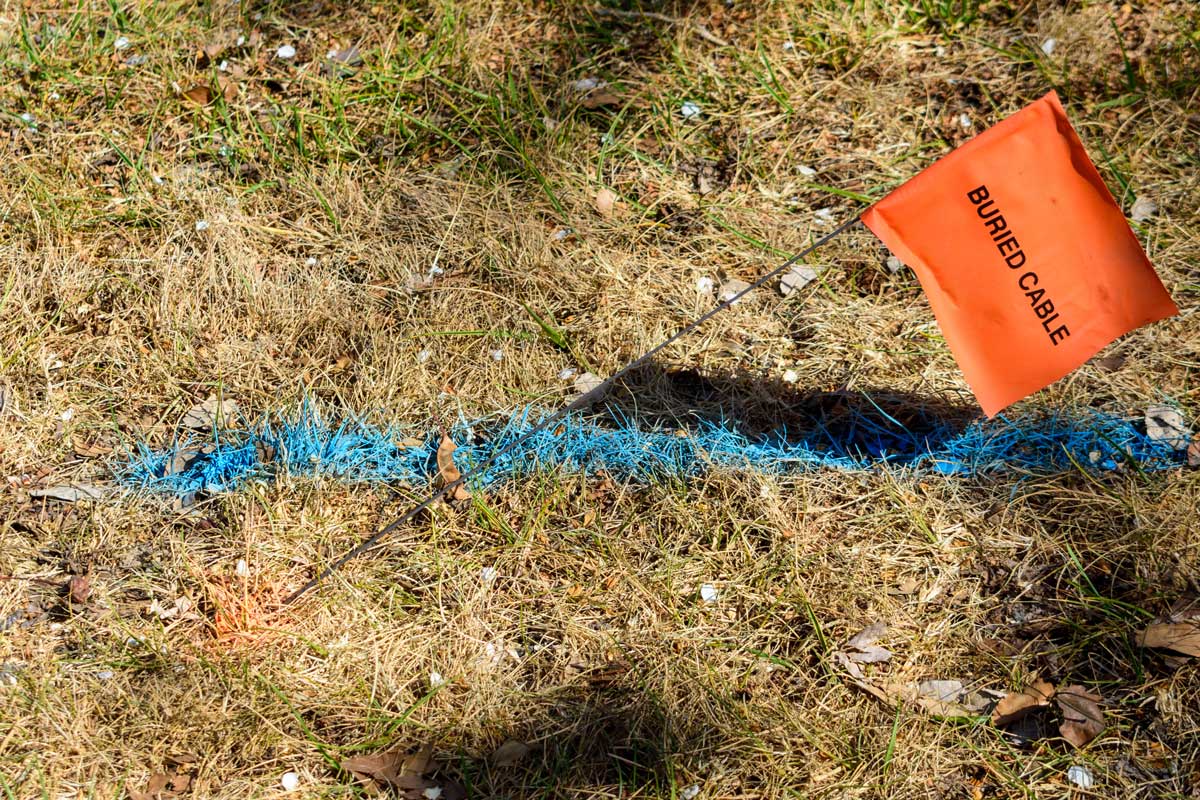
Before you assume you need entirely new underground lines, gather what you know about the property. Look for existing water or sewer connections, well or septic systems, and any visible markers near the road that suggest service locations. If you have a survey or previous drawings, note where any known lines, meters, or cleanouts appear. Sharing this information with a contractor who handles underground utility installation as part of site development gives them a starting point to see whether existing connections can be reused, extended, or tied into more efficiently than running new lines across the entire property.

Study how the land behaves where you plan to build

Walk the areas where you expect buildings, drives, and main access routes to go. Look for low spots, soft ground, or signs that water lingers after rain. If the land does not drain well in the planned building area, grading and drainage work may need attention at the same time as, or even before, utility decisions. When a contractor who also offers grading and drainage solutions reviews your site, they can give feedback on whether reshaping the land or directing surface water differently might shorten utility runs, protect trenches from washouts, or reduce how much buried piping is needed.

Decision guide

Ways to Approach Your Project Besides a Stand-Alone Utility Job

Once you know what you are trying to achieve, you can compare a dedicated underground utility project with other ways of structuring the work so you do not dig more or spend more than necessary.

Treat utilities as a core part of a build‑ready site

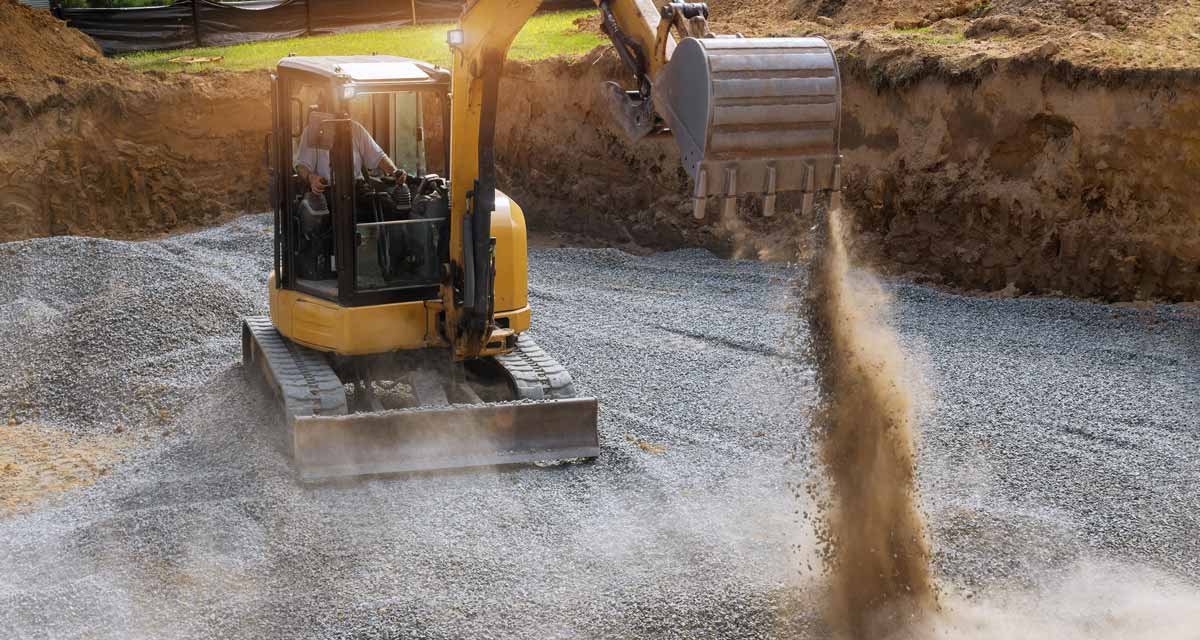
If your project clearly depends on services such as water or sewer that are not yet available where you need them, full underground utility installation may be appropriate. In those situations, utilities are one of the steps that moves a site from raw ground to build‑ready. Work typically involves excavating trenches along routes shown on your plans, placing and bedding the lines, and then backfilling and compacting so other site work can continue. When you look at this option, consider how trench locations line up with future foundations, driveways, and other improvements so that you do not disturb the same ground more than once.

Fold utilities into a complete site development scope

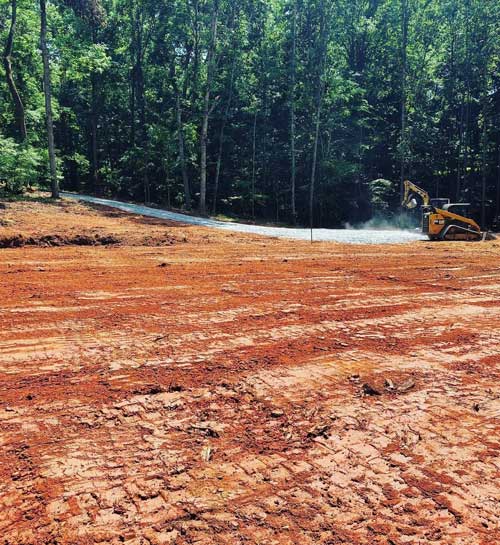
Another way to approach the work is to include underground utilities within a broader site development package that may also cover land clearing, grading, and drainage. Apex Excavating & Construction Services provides this type of complete site preparation for residential and commercial projects in the Greensboro area. Coordinating multiple tasks under one plan can reduce redundant excavation and help align trench routes with stable grades and drainage paths. When you compare this approach with a stand‑alone utility job, ask how the proposed sequence of work will limit re‑work and keep later construction steps moving smoothly.

Focus on grading and drainage when water control is the main issue

If the main problem you are trying to solve involves water around a building, soft driveways, or erosion, grading and drainage work can sometimes be more relevant than adding or extending utility lines. Apex offers drainage solutions and grading as part of its site development services, using excavation and earth shaping to direct surface and subsurface water away from structures and sensitive areas. In discussions with a contractor, make it clear whether you are primarily worried about standing water, protecting foundations and pavement, or providing new services, because the answer may shift the focus toward drainage work, utility work, or a combination of both.

Adjust layout to simplify future underground utility runs

If you have flexibility in where a new building or driveway will be located, small layout changes can affect how complex your underground utility needs will be. Moving a structure closer to existing services, shifting a driveway, or refining the route for access roads can shorten trench lengths and keep them out of difficult sections of ground. When you review plans, ask your contractor to show where trenches would most likely run and whether minor changes on paper could make those runs shorter, straighter, or easier to protect with grading and drainage.

Evidence and expectations

Why a Site Development Contractor Is Useful in This Decision

Because underground utilities interact with clearing, grading, and drainage, a contractor that handles complete site development can help you see how those pieces fit together and which combination makes sense for your land and plans.

Decades of experience in excavation and site development

Apex Excavating & Construction Services reports more than 30 years of experience focused on residential and commercial site development, excavation, and grading. That history means the team is accustomed to working on projects where underground utilities, grading, and access all have to be coordinated so construction can move forward on schedule.

Utilities delivered as part of coordinated site preparation

Underground utility installation is one of the services Apex provides within its broader site development work. The team coordinates with project plans, excavates trenches, installs and beds the lines, then backfills and compacts those areas so they tie into the overall site preparation. Seeing utilities as one piece of the site, rather than a disconnected add‑on, helps them talk with you about where utility work fits among other tasks you are considering.

Regional focus on Greensboro, Forsyth County, and the Triad

Apex serves residential and commercial customers in Greensboro, Forsyth County, and throughout the Triad area from its North Carolina base. Concentrating equipment, crews, and scheduling in this region allows the company to structure its site development, grading, drainage, and underground utility work around the conditions and project types it regularly encounters in these communities.

Main website image
Main website image
Local context · Stokesdale, NC

How Greensboro- and Triad-Area Sites Affect Your Options

In Greensboro, Forsyth County, and the wider Triad, projects often take place on a mix of established neighborhoods and previously undeveloped land. Slopes, clay-heavy soils, and varying access to public services all influence where and how trenches can be placed. On some properties, shifting a structure or drive a short distance can reduce trench lengths or keep utilities out of low, soft areas. On others, long runs between a building site and the road make it even more important to coordinate utilities with broader grading and drainage work. Because Apex Excavating & Construction Services focuses its excavation and site development work in this region, the team is familiar with how local conditions tend to affect trenching, backfilling, and drainage, and can help you evaluate whether your planned utility scope fits the realities of your site.

Questions worth asking

Questions Owners Ask About Utility Alternatives

Once you start comparing underground utility installation with other approaches, practical questions come up about what truly requires buried lines, how to time the work, and what information to gather. These answers give you a framework for those conversations.

When are underground utilities hard to avoid?

It is difficult to avoid underground utility work when the services you need are not already available at the building location and your project depends on them to function. For example, if a planned building must be supplied with reliable water or sewer service and there is no practical way to use what is already in place on the property, you and your project team may decide that new underground lines are necessary. In those situations, alternatives such as additional grading or small layout changes may still help shape routes and protect trenches, but they are unlikely to remove the need for buried lines altogether.

Can underground utilities be installed after other site work has started?

On many projects, some site work can begin before underground utilities are fully installed, but you risk disturbing finished areas if the sequence is not planned carefully. For instance, trenching after driveways are built or after final grading is completed can mean re‑excavating and repairing those areas. If you are thinking about phasing the work, talk with a contractor who handles utilities as part of site development about which tasks should happen first and which can wait, so you reduce the chances of paying to redo completed work.

How do grading and drainage decisions affect utility plans?

Grading and drainage shape how water and soil behave on your property, which in turn affects how suitable certain trench routes will be. Trenches in low, wet areas may be more prone to soft backfill and erosion, while routes that follow well‑drained, compacted ground are usually easier to maintain. When you work with a contractor that provides both drainage solutions and underground utility installation, they can look at slopes, soil conditions, and runoff patterns together and suggest a sequence that supports both stable grades and durable buried lines.

What information should I gather before I ask about utility alternatives?

Before you call a contractor to discuss options, collect any surveys or site drawings you have, notes on existing services such as wells, septic systems, or meters, and photos of the areas where you plan to build or have noticed problems. Be prepared to explain your goals, your rough timeline, and any recurring issues such as standing water or erosion. With that information in hand, a site development contractor can walk the property with you and outline whether your needs point toward underground utilities, grading and drainage work, layout changes, or a mix of those elements.

How can I reduce the chances of paying for the same excavation twice?

Redundant excavation often happens when clearing, grading, utilities, and drainage are planned as unrelated tasks. To reduce that risk, ask any contractor you speak with to explain how they would sequence the work on your property. For example, it can be helpful to coordinate rough grading, drainage routes, and utility corridors on the same plan so trenches follow ground that has already been shaped to the right elevation. Working with a contractor who provides multiple site services can also make it easier to structure the project so each pass of equipment moves the site closer to ready, instead of opening and closing the same areas repeatedly.
Your next step

Discuss Utility Alternatives With a Local Site Development Contractor

If you are unsure whether to move forward with new underground utilities, adjust your layout, or focus on grading and drainage first, a direct conversation can clarify which path fits your land and goals. Apex Excavating & Construction Services provides excavation, grading, drainage solutions, land clearing, and underground utility installation as part of residential and commercial site development in the Triad. You can talk through what you are building, what already exists on your property, and how different options would be sequenced on-site. Call 336-314-0272 or use the contact form on the website to review your situation before you commit to a trench.

Main website image