Triad Area General Contracting & Site Work

Contractor Cost Factors in the Triad

Contractor estimates in the Triad can vary widely, especially when site work like land clearing, grading, drainage, and underground utilities is involved. This page explains how those pieces, along with scope, timing, and responsibilities, tend to shape what you are quoted so you can approach pricing conversations with clearer expectations.

Main website image
The short answer

What matters most

In the Triad area, general contractor organization costs are driven by the specific scope of work you request, how complex that work is, the labor and equipment it will take, and the type and amount of materials involved. Timing, site conditions, and project location within the Triad also matter, because they affect scheduling and how work is coordinated. Responsibilities and outside dependencies—such as who handles permits, how inspections and utility work are arranged, and what follow‑up services are included—further influence what local contractors charge for a project.

Contractor pricing in the Triad is driven by scope, site conditions, labor and equipment needs, timing, and responsibilities—not a single flat rate.
Writing down the scope and key assumptions gives you a clearer view of how a general contractor organization built your estimate.
Site work items such as land clearing, grading, drainage, and underground utilities often make up a significant portion of project cost and should be clearly defined.
Location within the Triad and how your project fits into a contractor’s existing schedule can influence the price you are quoted.
Focused questions about what is included, what is assumed, and who handles each task turn broad estimates into more dependable planning tools.
Main website image
A useful way to think about it

Understanding the Building Blocks of Contractor Costs

When you receive an estimate from a general contractor organization in the Triad, the number is built from several moving parts. Breaking those pieces down makes it easier to see how site development items like excavation, grading, drainage, and underground utilities fit into the overall cost, and where you have room to adjust.

Scope: What Work Is Actually Included

Scope is usually the single largest driver of cost. A focused scope might cover only site preparation—such as land clearing, grading, managing drainage, and installing underground utilities—while a broader scope could add foundations, driveways, and other construction tasks. Each added element affects planning, labor, materials, and coordination. For Triad‑area projects, it is important to have the scope written down in plain language: which areas of the property will be touched, which specific services are included, and what condition the site should be left in when the work is complete. That clarity helps you see how the estimate matches the results you expect.

Complexity and Risk on Your Site

Two projects can look similar on paper but differ in how straightforward they are to complete. Site‑related complexity may come from limited access for equipment, the need to work carefully around existing improvements, or uncertainty about what lies below the surface. When contractors see more unknowns, they generally have to allow more time and effort in their pricing. Discussing visible challenges and any available site information during a visit allows a contractor to base the estimate on what is known instead of building in broad allowances for potential problems.

Labor, Equipment, and Time on Site

General contractor and site work pricing depends heavily on how many days crews and equipment will be dedicated to your project. Excavation, grading, drainage improvements, and underground utility installation all require specific machines and trained operators. The more trips and setup days required, the more those costs add up. When you review an estimate, it is worth asking what the contractor has assumed about time on site, how many mobilizations are expected, and what could extend the schedule, such as needing additional site preparation or adjustments once work has begun.

Decision guide

Using Cost Factors to Shape Your Project Plan

Knowing what usually drives cost in the Triad lets you plan scope and responsibilities with more control. The points below show how to turn general cost drivers into concrete choices about what you ask a contractor to do and how you structure your project.

Clarify Site Work Expectations Before Requesting Bids

Many Triad projects require a combination of land clearing, grading, drainage, and underground utility work before construction or improvements can move ahead. If these items are only loosely described when you seek pricing, contractors may make different assumptions, and the numbers you receive will not be directly comparable. Before you request estimates, write down the results you need from the site: for example, a prepared building pad, workable access to the area, and specific utility connections. Then ask each contractor how those results show up in their scope and whether they see any conditions that could change the cost after they visit the property.

Decide Which Tasks You Want the Contractor to Handle

Some parts of a project—such as coordinating with other parties, arranging certain reviews, or gathering information—can be handled either by you or by the contractor. Shifting more of that responsibility to the contractor usually increases their fee because it adds time and accountability on their side. Keeping items on your plate can reduce what they charge but may increase your own workload. When you discuss costs, ask the contractor to explain what is included in their price and which tasks they expect you to manage, so you can decide whether you want to transfer any of those responsibilities and adjust the estimate accordingly.

Use Written Assumptions to Limit Later Cost Changes

Unexpected costs often come from assumptions that were never written down. To reduce that risk, ask for key assumptions to be part of the estimate: what information about the site was used, what level of preparation is expected before the contractor arrives, and which outcomes are considered part of the base price. For projects involving grading, drainage, and underground utilities, it is especially important to capture how existing conditions were described or observed. Having those points in writing makes it easier to understand why a quote from one contractor looks different from another and how each number might change if conditions turn out to be different than expected.

Ask How Location and Scheduling Affect the Number

Because Apex Excavating & Construction Services focuses its operations around Triad communities such as Greensboro and Forsyth County, costs are planned with that service footprint in mind. In general, for any contractor you consider, your specific location and timing affect how crews and equipment are scheduled. Travel time, how easily your project fits into an existing workload, and the order in which related site work can be performed all influence pricing. When reviewing an estimate, ask whether the price assumes a particular time of year, how many trips to your site are expected, and what might happen to the cost if the schedule needs to shift.

Evidence and expectations

Why This Cost Guidance Matches Verified Triad Site Work Experience

Cost discussions on this page reflect documented experience and services, not guesses about how contractors operate. The points below show how the guidance lines up with verified facts about Apex Excavating & Construction Services and its Triad‑area work.

Decades of Site Development and Excavation Experience

Available information shows that Apex Excavating & Construction Services has over 30 years of experience focused on residential and commercial site development, excavation, and grading. That long‑term focus supports the cost guidance on this page that emphasizes understanding how site conditions and the sequence of work affect pricing, rather than relying on a single, generic rate.

Documented Site Work Services That Influence Cost

The company’s published services include land clearing, grading and leveling, drainage solutions, underground utility installation, and broader site development for both residential and commercial properties. Those services match the specific types of work described on this page as cost drivers, such as excavation, grading, water management, and utility trenching, and show how they can be combined in one project scope.

Established Service Footprint in the Triad

Apex Excavating & Construction Services is based in Stokesdale, NC and serves residential and commercial customers throughout the Triad area, including Greensboro and Forsyth County, from its North Carolina base. That regional orientation supports the emphasis here on asking how location and scheduling inside the Triad are reflected in contractor pricing.

Main website image
Main website image
Local context · Triad Area

How the Triad Service Area Affects Contractor Pricing

For projects in the Triad, cost is influenced not only by what is built, but by where it is built and how easily a contractor can organize work there. Apex Excavating & Construction Services is based in Stokesdale, NC and serves residential and commercial customers throughout the Triad, including Greensboro and Forsyth County, from its North Carolina base. That regional focus means equipment, crews, and scheduling are already organized around Triad communities, and travel and coordination are built into how projects are planned. When you review pricing from any contractor in this area, it helps to ask how your specific location fits into their regular service footprint, what they have assumed about access to your property, and how local review or coordination steps are reflected in the number they present.

Questions worth asking

Cost Questions Owners Ask About Contractors in the Triad

Once property owners see how scope, site work, and responsibilities affect pricing, similar cost questions come up again and again. These answers address a few of those common concerns so you can approach estimates with clearer expectations.

Why do contractor estimates for the same Triad project sometimes differ so much?

Large price differences often mean the contractors are not basing their numbers on the same scope or assumptions. One estimate might include land clearing, grading, drainage improvements, and underground utility installation, while another assumes some of those items are already handled or will be completed separately. To understand the gap, ask for each contractor’s scope in writing, along with a short list of what they have assumed about your property and timing. Once you compare those details, it is easier to see which estimate covers more work and which one is limited to fewer tasks.

How much do site work items like grading and drainage affect cost?

Site work items can significantly affect cost because they often have to be completed before other parts of the project can move forward. Grading, drainage improvements, and underground utilities require equipment, planning, and time on site, and they may not be obvious when you first think about the project. When you talk to a contractor, ask which site work steps they believe are necessary for your specific plans and how much of the estimate is tied to those tasks versus later construction items.

Can I get a useful cost range before detailed plans are finished?

You can usually get a conversation‑level range as long as you can describe the property, the general result you are aiming for, and whether you expect land clearing, grading, drainage work, or underground utilities to be part of the job. That early discussion will not replace a project‑specific quote, but it can highlight which decisions will matter most for cost and what information the contractor will need before they can give you a firm estimate.

What should I look for in a Triad‑area contractor estimate to avoid cost surprises?

For work in the Triad, a helpful estimate will clearly outline the scope of work, including any site development tasks like land clearing, grading, drainage improvements, and underground utility installation that apply to your project. It should also identify assumptions about the condition of the site, access to the work areas, and general scheduling expectations, plus note who is responsible for tasks such as gathering information or coordinating related steps. If these points are missing, ask the contractor to add them before treating the estimate as your working budget.

How can I manage contractor costs without sacrificing essential work?

To manage cost while still getting a safe, workable result, focus on prioritizing the most important outcomes instead of cutting basic site work. For example, you might choose to complete the core site development—such as essential grading, drainage, and utility installation—while deferring some non‑critical features to a later phase. A straightforward conversation with your contractor about which elements are required to support your main goal, and which ones can wait, helps you adjust the scope in a way that controls cost while still preparing the property for its planned use.
Your next step

Ready to Discuss Cost Drivers for Your Site Work?

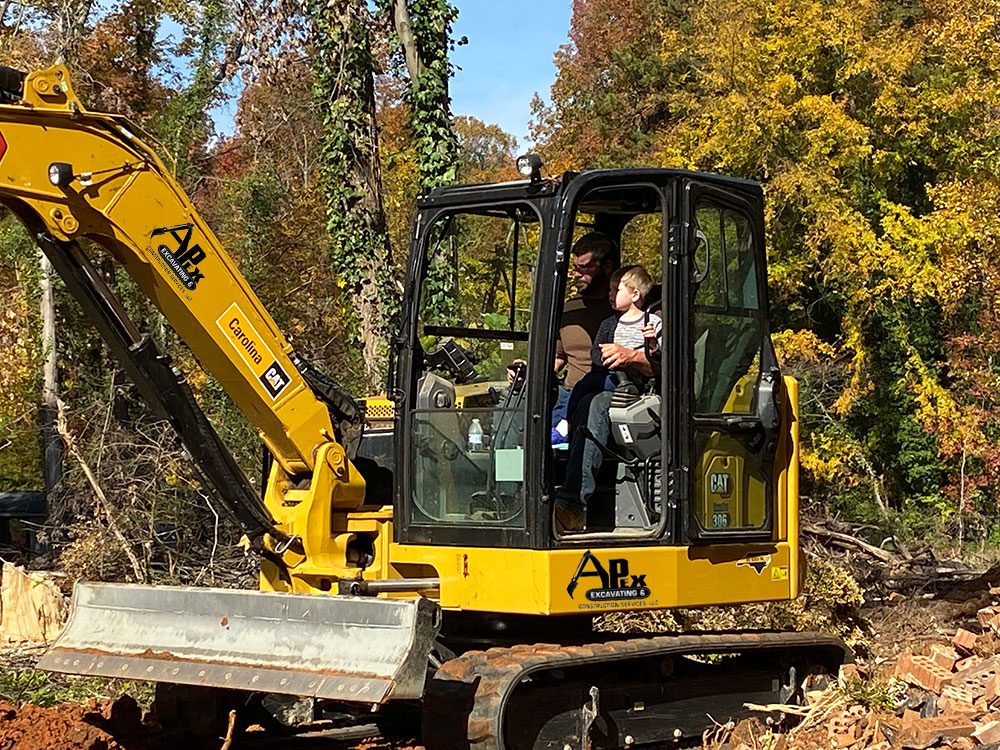
If your Triad‑area project involves land clearing, grading, drainage work, underground utilities, or broader site development, a direct conversation about cost factors can save time and uncertainty. Apex Excavating & Construction Services works with residential and commercial property owners and developers across the region to review sites, define scope, and prepare project‑specific estimates. When you call, be ready to share your property location, what you are preparing the site for, and any timing goals. From there, the team can explain which parts of the work are likely to influence price the most and outline next steps if you want a formal quote.

Main website image