Budgeting for site work and construction in the Triad

Planning a Realistic Budget for a General Contractor

Estimates for general contracting and site work can vary widely. This page explains how to organize your project information, define scope, and account for risk so you can build a realistic budget before you commit to a contract.

Main website image
The short answer

What matters most

A realistic budget for a general contractor organization starts with the result you need, then builds cost around a complete, written scope of work, schedule expectations, quality level, site conditions, and how risk and responsibilities are assigned. To get there, you need to define what is being built, where it will sit on the property, which tasks the contractor will handle, how quickly the work must be done, and what level of finish or performance you expect. The more clearly you document that information and have it reflected in a detailed proposal, the more reliable your budget will be.

Start your budget with the outcome and performance you need, not just a target number you hope to hit.
A written, detailed scope of work and clear division of responsibilities are essential for reliable pricing.
Site development work like land clearing, grading, drainage, and underground utilities often forms a major part of a realistic construction budget.
Comparing contractor proposals by inclusions, exclusions, and assumptions—not just totals—prevents misleading comparisons.
Setting aside contingency for changes and unforeseen conditions helps turn a fragile estimate into a workable overall budget.
Main website image
A useful way to think about it

A step‑by‑step way to plan your contractor budget

Instead of guessing what a project should cost, work backwards from the outcome you need. These steps focus on how to think through scope and information for general contractor and site development work, including land clearing, grading, drainage, and utilities.

1. Start with the outcome, not a target number

Many owners begin with a number they hope the project will fit. A more reliable approach is to start with what the project must accomplish and then work toward cost. For a property that needs site work, that could mean a build‑ready site, stable access, and utilities in place so the rest of the construction can move forward. For a finished building, it might include performance expectations like staying dry, accessible, and functional over time. Write down these non‑negotiable results before you talk dollars. That list becomes your benchmark when you evaluate options, so cost cuts do not quietly remove work that is essential to the long‑term use of the site.

2. Define the full scope of work in plain language

General contractors and site development contractors can handle a wide range of responsibilities, but your budget will only be reliable if everyone is talking about the same work. Break your project into major parts such as planning and layout, land clearing or demolition, grading and drainage work, underground utility installation, and any other site development steps you know will be required. For each part, describe what done means and what condition you expect the property to be in at the end of that stage. When you can describe the full scope in everyday language, it becomes much easier for contractors to price it and for you to see what is, and is not, included in each proposal.

3. Gather information contractors actually need

Budgets often fall apart because the early information is incomplete. Before you request detailed proposals, collect whatever site and project information you already have. That might include a recent survey, any drawings, basic layout sketches, and notes about where structures, driveways, and utilities are expected to go. If you do not have formal documents yet, be ready to show contractors the property and explain your plans as specifically as you can. That allows them to ask focused questions, identify site development items like grading or drainage that will affect pricing, and give you more grounded budget guidance instead of guesses.

Decision guide

Turning estimates into a working budget

Once you understand what drives cost, you can read proposals more clearly and decide what to include now, what to phase, and how to handle risk without undermining the core results you need from your project.

Clarify who is responsible for each part of the work

A proposal can look affordable until you realize it assumes you will handle tasks you expected the contractor to manage. To build a reliable budget, list the major responsibilities on your project and confirm who owns each one. That can include design and engineering, permits and inspections, utility coordination, erosion control, debris hauling, and final site stabilization. For site work items such as demolition, land clearing, grading, drainage solutions, and underground utility installation, ask whether they are part of the contractor’s price or treated as separate scopes. Getting these assignments clearly described in writing reduces the risk of later surprise costs when someone says that item was not in the original number.

Compare proposals by inclusions and assumptions

Two estimates that are far apart in price are often based on different assumptions rather than different levels of quality. When you receive multiple proposals, line them up and look at what each one includes, what it excludes, and what it assumes about the project. For example, does one assume only basic site preparation while another includes more complete site development work? Are items like drainage improvements or utility trenching clearly listed, or left vague? Ask each contractor to walk you through their main assumptions about scope, schedule, and site conditions. Use that discussion to refine your written scope and, if needed, request updated pricing that matches the same assumptions so you are comparing like with like.

Decide what to protect, what to phase, and what to upgrade

Once you know the cost of the full, ideal scope, most budgets require tradeoffs. Sort your list of work into three buckets: items that protect safety and basic function, items that can be phased, and optional upgrades. Site development pieces that are hard to redo, such as underground utilities or core grading and drainage work, often belong in the must‑protect category. Other features or finishes may be candidates to phase or upgrade later. When you talk through options with a general contractor or site work contractor, use this list so any cost savings come from items you have already agreed can be delayed or simplified, not from cutting work that is difficult or expensive to correct later.

Plan for contingencies and change orders

Even with careful planning and clear scope, changes and surprises can occur. A realistic budget includes a contingency line to handle work that could not be fully defined upfront. Talk with your contractor about which risks are most likely on projects like yours and how they handle changes in scope or unforeseen conditions. Ask what events would trigger a change order, how additional costs are calculated, and how they will communicate those costs before proceeding. Build a percentage of your total project cost into your budget as a contingency allowance and treat it as reserved, not spent. This gives you room to respond if conditions change without putting the entire budget at risk.

Evidence and expectations

Where Apex Excavating & Construction Services fits

For many Greensboro‑area projects, site development is a major part of the overall budget. That work is the focus of Apex Excavating & Construction Services.

Over 30 years in residential and commercial site development

According to its published information, Apex Excavating & Construction Services has over 30 years of experience focused on residential and commercial site development, excavation, and grading. For owners planning a budget that includes significant site work, that kind of track record means the team is used to working with property owners and project teams to define the excavation and grading work required before construction can move ahead.

Able to handle multiple pieces of site development

The company describes its work as complete site development for residential and commercial projects, including land clearing, grading, drainage solutions, and underground utility installation. When one contractor can handle several connected tasks, it can be easier for you to see how the full site development scope affects your overall general contractor budget and to discuss how different options might change cost.

Set up to serve the Triad region

From its North Carolina base, Apex Excavating & Construction Services states that it serves residential and commercial customers in Greensboro, Forsyth County, and the broader Triad area with excavation and related site work. Projects in these communities are coordinated from its Triad‑based operations. For owners in this region, that local focus means the company is organized around the same geographic area where you are planning your work, which can help with scheduling and communication as you build your budget.

Main website image
Main website image
Local context · Stokesdale, NC

Budgeting for general contractor work in the Triad

In the Greensboro and broader Triad area, general contractor budgets often include a significant amount of site work to get land ready for construction. Apex Excavating & Construction Services is based in Stokesdale and, according to its published information, serves residential and commercial customers in Greensboro, Forsyth County, and the wider Triad with excavation and related site work. Because the company is set up to coordinate projects across this region, it is familiar with local site development needs and regional requirements. As you plan your budget, ask any contractor you consider how often they work in your specific community, how they coordinate with your general contractor or builder, and how they factor local approval processes and scheduling into their pricing assumptions.

Questions worth asking

Budget planning questions people often ask

Property owners tend to raise similar questions when they start turning rough ideas into a real budget. These answers expand on areas that often need more detail than a proposal alone provides.

How early should I talk to a contractor about budget?

You do not need final construction drawings to start talking about budget. Once you have a general idea of what you want to build, a rough layout on the property, and a basic sense of your timing, it is worth calling contractors to discuss feasibility and major cost drivers. For projects that require excavation, grading, drainage work, or underground utilities, reaching out early allows a contractor to visit the site if needed, flag potential issues, and give you a more informed range you can use while drawings are completed.

Can I get a useful ballpark price for site work over the phone?

You can often get a sense of typical cost drivers and hear how similar projects were priced, but responsible contractors are careful about quoting specific prices without seeing the site or at least reviewing basic information. Land clearing, grading, drainage solutions, and underground utility installation depend heavily on access, soil conditions, slopes, and how much material must be moved or hauled away. Over‑the‑phone numbers based on guesswork can create unrealistic expectations. A better approach is to share any photos, surveys, or sketches you have, then let the contractor decide whether they can give a rough range remotely or need to walk the property to provide a project‑specific quote.

Why do site work and excavation often cost more than owners expect?

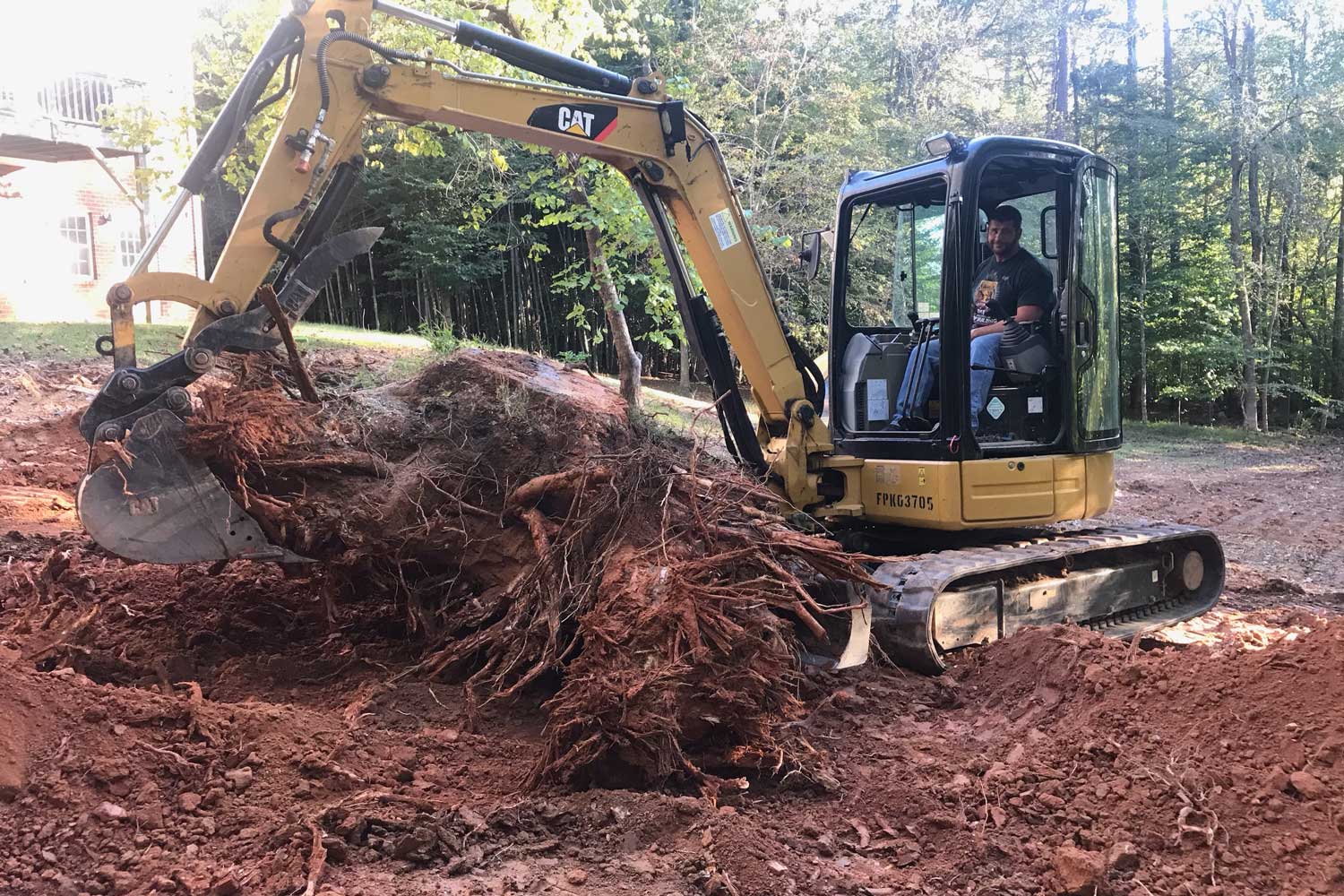
Owners often focus on visible items like the house, shop, or parking lot and underestimate the amount of work required to prepare the land. Site development may involve tree and brush removal, demolition, hauling, shaping the land to stable slopes, installing drainage features, and trenching for water, sewer, or other utilities before construction can move ahead. None of this is highly visible once the project is complete, but it is essential to keep buildings usable and access reliable. When you build your budget, treat site work as part of the core infrastructure of the project rather than a minor line item. That mindset reduces sticker shock and helps you prioritize correctly when you need to make tradeoffs.

How can I tell if a contractor’s low bid is realistic?

A low proposal is not automatically a problem, but it deserves closer review. Ask the contractor to explain, in detail, what their price includes and excludes and what assumptions they have made about site conditions, schedule, and scope. Request a written scope that describes how the site will be left at the end of their work. Then compare that document with other proposals. If the lowest bid is missing key tasks, has very small allowances, or leaves important items as undefined extras, you may be trading short‑term savings for future change orders or performance issues. A contractor who is comfortable with their pricing will be willing to answer these questions and adjust the scope or price if you uncover gaps.

What should I bring to a budget meeting with Apex Excavating & Construction Services?

To have a productive budgeting conversation, bring any drawings, surveys, or concept plans you have, along with notes about your goals and constraints for the property. Note where you expect buildings and driveways to go, any known drainage problems, and whether you plan future expansion. If you do not have formal documents yet, photos of the property and a hand‑drawn sketch with rough measurements can still help. Be ready to discuss your timing and overall budget range. This information allows the team at Apex Excavating & Construction Services to give you clearer guidance on site development scope and how it fits into your broader general contractor budget.
Your next step

Ready to plug realistic site work numbers into your budget?

If you are planning land clearing, grading, drainage solutions, or underground utilities as part of a larger project in the Triad, a focused conversation about scope and site conditions will do more for your budget than any generic price range. Apex Excavating & Construction Services can review your plans, walk the property, and outline options so you can plug informed figures into your overall general contractor budget. Call 336-314-0272 or use the contact form on the website to schedule a project review.

Main website image