Understanding Drainage Work

The Drainage Solutions Process

Water collecting near your home, driveway, or building can be stressful, but the process to correct it can be straightforward when you know what is involved. This page walks through how a drainage contractor studies your site, plans a solution, and uses excavation and grading to move water away from vulnerable areas, so you understand what will happen and what needs to be confirmed before equipment arrives.

Main website image
The short answer

What matters most

A typical drainage solution process begins with an on-site evaluation of how water moves across and under your property and which structures or areas need protection. Based on that assessment, the contractor plans a way to direct surface and subsurface water away from foundations, pavement, and other sensitive features using excavation, grading, and, when needed, additional drainage components. Once you approve the scope, the contractor brings in equipment, reshapes the ground, installs any planned drainage elements, and finishes basic restoration so water flows away from the areas you need to protect.

The drainage solution process starts with an on‑site evaluation of how water moves across and under the property and what must be protected.
Contractors use excavation and grading, along with any needed drainage components, to direct surface and subsurface water away from foundations, pavements, and other vulnerable areas.
Your preferences on grading changes, visibility of drainage features, and site restoration should be discussed and documented before a final plan is approved.
In the Triad, drainage work is often connected to broader site‑development tasks, so it should be planned with the overall project sequence in mind.
Working with a site‑development contractor that offers drainage as a core service can help ensure water management is built into the overall layout and preparation of your property.
Main website image
A useful way to think about it

Step-by-Step: From First Conversation to Finished Drainage Work

Knowing the sequence of a drainage project makes discussions with a contractor more focused and helps you spot gaps or missing details. Here is how the process typically unfolds when drainage is handled as part of site development or site repair work.

1. Initial contact and sharing what you are seeing

The process usually begins with a phone call or message where you describe what is happening on your property and what you want to protect. Common triggers are standing water near a building, soft spots in a drive, or washouts after heavy rain. At this stage, the contractor will want to know your property location, whether it is residential or commercial, and how drainage ties into any larger site work such as a new home or commercial project. Having photos, a survey, or construction plans available helps the contractor estimate how much time to allow for the on-site visit and what to review while they are there.

2. On-site drainage evaluation

Next comes a field walk‑through. The contractor studies how water currently enters, crosses, and leaves your property. They look at slopes, low spots, soil conditions, and existing features that could be affected, such as foundations, paved areas, or important landscaping. If you are in the early stages of development, they may also review proposed building footprints, drive locations, and areas reserved for utilities or septic systems. This visit is where they assess whether the problem can be corrected with targeted grading or whether more extensive drainage measures are needed. They also confirm site access for equipment and note structures, trees, or utilities that must be protected during the work.

3. Clarifying goals and limits

Before any plan is finalized, the contractor will ask more detailed questions about your goals and constraints. You may want to focus on keeping a crawlspace or slab dry, protecting a driveway from erosion, or maintaining firm ground for future improvements. You might also have areas you do not want disturbed, such as mature trees, fences, or patios. Budget, schedule, and preferences about how visible drainage features should be all come into play. For commercial or larger residential projects, coordination with design professionals and local requirements can influence what is practical. Clear answers at this stage help the contractor match the scope of work to what you care about most.

Decision guide

Key Choices You Will Make During the Drainage Process

Even when a contractor handles the heavy equipment and technical planning, you still guide important decisions. Understanding those decision points ahead of time helps you ask better questions and align drainage work with your broader plans for the property.

How much grading change are you comfortable with?

One major decision is how significantly the land should be reshaped. Modest grading can redirect surface water while keeping the overall appearance similar to what you have now. More substantial changes can improve drainage on a wider area but may alter yard elevations, tie‑ins to neighboring properties, or access routes. Ask your contractor to explain how proposed grading will affect existing features, what slopes they are targeting, and how they will handle transitions between new and existing grades so solving one problem does not create another.

Do you prefer mostly hidden or mostly visible drainage features?

Drainage plans can lean more on grading and open flow paths or include additional buried components such as drain lines and collection points. Each approach has implications for appearance, maintenance, and cost. A plan built mainly around grading may be easier to inspect at a glance, while buried elements can keep the site looking cleaner but may need more effort to access later. Talk with your contractor about which parts of the system will be visible, how they should be maintained, and how the completed work should look day to day.

How will drainage tie into current and future site work?

Drainage is often only one part of the overall picture, which may also include land clearing, utilities, foundations, or drive construction. Decisions you make about where water is directed can either support or complicate later phases. Routing water toward an area that is slated for a future building, for example, may cause conflicts down the road. When you speak with a contractor who handles site development, ask how your drainage plan fits with existing and planned structures, utility runs, and access routes so you do not have to redo work later.

What level of restoration do you expect after construction?

Another key choice is how you want the property to look and function immediately after drainage work is complete. Some owners simply want disturbed areas smoothed and stabilized so they can handle seeding or landscaping on their own. Others expect more finished conditions, such as topsoil placement or basic gravel in drive areas, included in the scope. Clarify early whether you are expecting basic grading, a build‑ready pad, or a more finished surface when the crew wraps up. Ask the contractor to spell out in writing how they will handle soil, existing pavements or drives, and any temporary access routes.

Evidence and expectations

Why a Site-Development Approach Matters for Drainage

Drainage is closely tied to how a site is cleared, graded, and prepared for construction. A contractor whose core work includes excavation and grading can treat drainage as part of an overall site‑development plan instead of an isolated fix.

Decades of site‑development and grading experience

Apex Excavating & Construction Services notes that it has over 30 years of experience focused on residential and commercial site development, excavation, and grading. That depth of experience means the team is used to shaping land to appropriate elevations and slopes before and during construction, which is central to reliable drainage performance.

Services that cover the full site, not just drainage

The company handles land clearing, grading and leveling, drainage solutions, underground utility installation, and broader site development for residential and commercial properties. Because these services are offered under one roof, drainage work can be coordinated with other tasks on the site rather than treated as an isolated project.

Drainage as a core Greensboro‑area offering

Drainage contracting is listed among the primary services the company provides in and around Greensboro as part of its site‑development work. The team evaluates how water moves across and under a property, then uses excavation and grading to direct that water away from buildings, pavement, and other sensitive site features.

Main website image
Main website image
Local context · Stokesdale, NC

How the Drainage Process Plays Out on Triad Properties

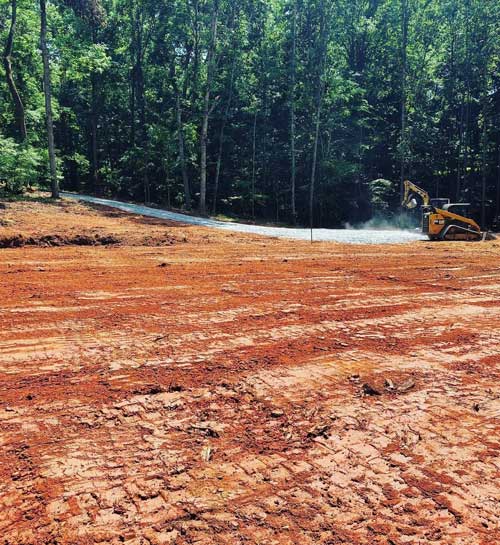
In Greensboro and the wider Triad area, drainage projects are often tied to broader site work such as new home construction, driveways, or standalone building pads on previously wooded or uneven land. Local properties can combine challenging slopes and varying soil conditions, which means the drainage solution process has to account for more than just where water is visible after a storm. A contractor working in the Triad will typically look at how drainage relates to grading, access drives, septic areas, and underground utilities shown on your plans. Because requirements and conditions differ across communities like Greensboro and other Guilford and Forsyth County areas, it is worth asking any contractor how they coordinate with local expectations, utility locates, and your design professionals before excavation begins.

Questions worth asking

Drainage Solution Process: Common Questions

Once you understand the basic steps, it helps to dig into timing, disruption, and how drainage work connects to other site tasks. These answers focus on practical process questions property owners often raise.

How long does a typical drainage solution project take from first visit to completion?

Timelines vary with project size and complexity. A small, targeted grading adjustment or short drain run on an existing site might be planned after a single evaluation visit and then built in a day or two once scheduled. Larger site‑development projects that combine clearing, extensive grading, underground utilities, and drainage work can stretch over several weeks or more, coordinated with building schedules and any required inspections. Ask your contractor to outline the expected sequence, what needs to happen before they begin, and any weather or scheduling factors that could affect start and finish dates.

What should I have ready before a drainage evaluation visit?

You do not need technical drawings to start, but a few items can make the visit more productive. Gather any surveys, plot plans, or construction drawings you already have, along with notes about when and where water problems appear. Photos or short videos taken after heavy rain are especially useful. If you are planning a new building, drive, or addition, have those locations marked on a site plan or staked on the ground if possible. Be prepared to explain your priorities, such as protecting a building, keeping a driveway usable, or preserving certain yard features, so the contractor can factor them into the drainage concept.

Can drainage work be done before I finalize my building or landscape plans?

Some preliminary drainage work, like correcting obvious grading problems that send water toward existing structures, can be done on its own. For new builds or major renovations, though, drainage is usually most effective when it is coordinated with the final layout of buildings, drives, patios, and utilities. Changes to elevations or footprints after drainage is installed can undermine earlier work. Discuss timing with your contractor so they can advise whether to proceed in phases or wait until more of your plans are set.

How disruptive is the excavation and grading needed for drainage solutions?

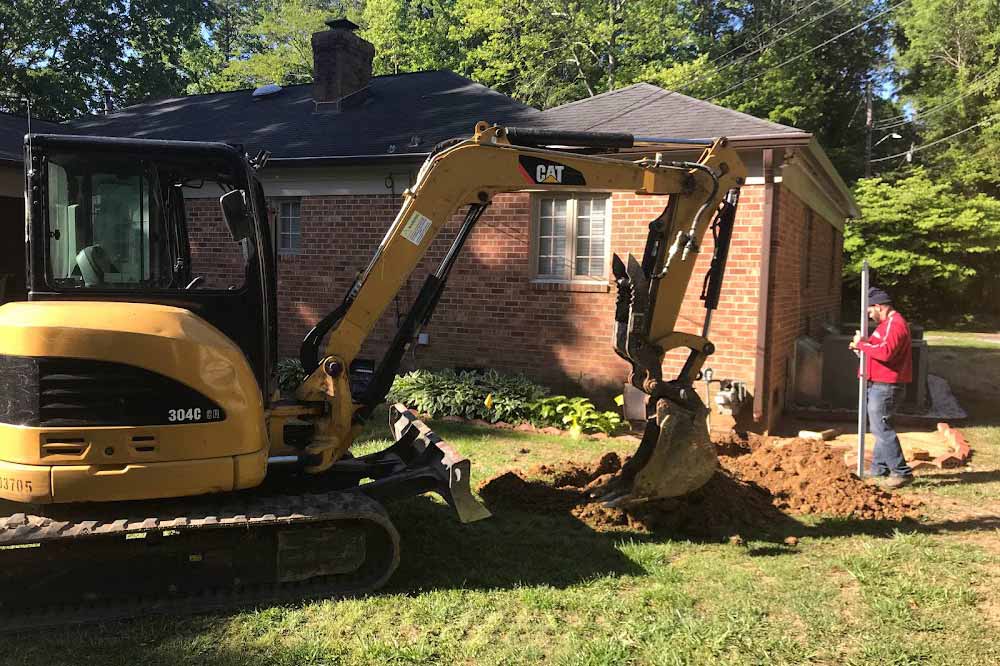
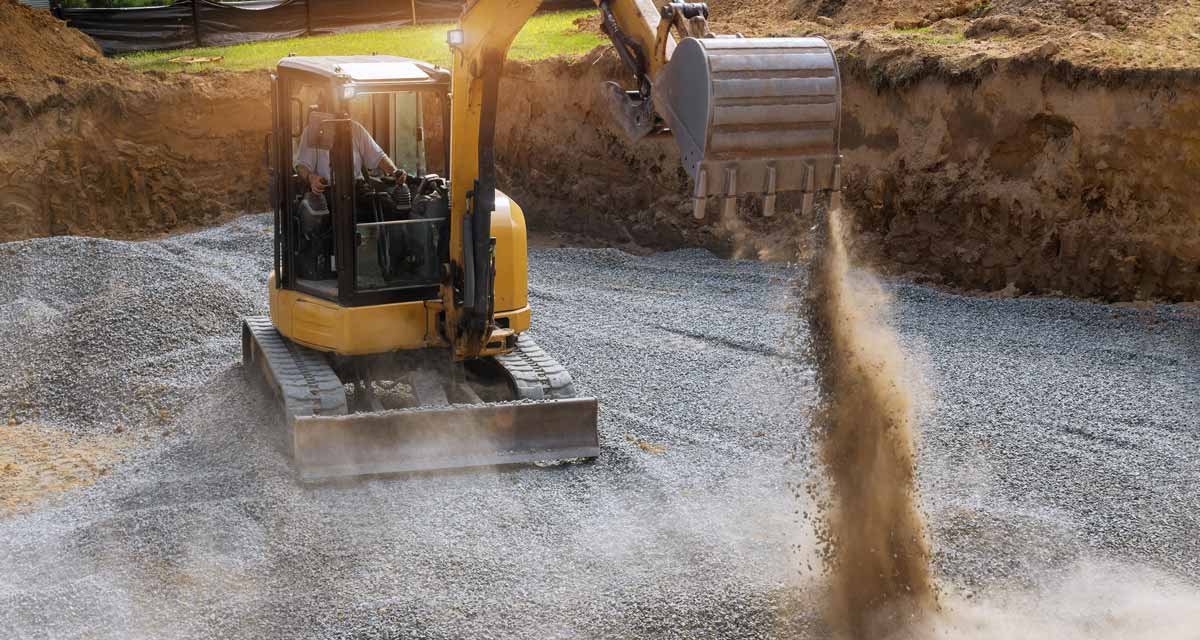
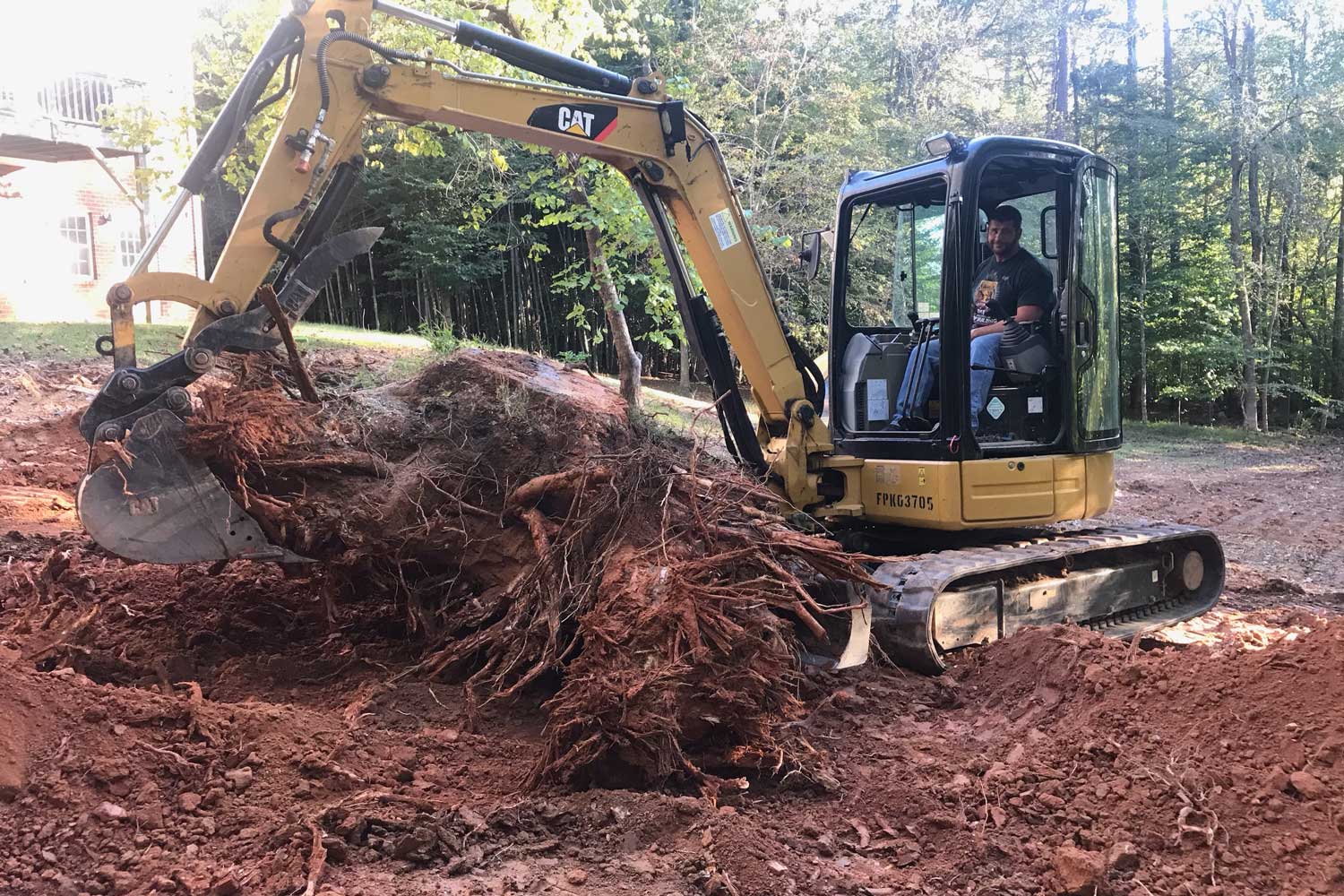
Any drainage solution that relies on excavation and grading will disturb parts of your yard or site, but the scale varies. Smaller projects might involve a compact excavator, a few trenches, and limited soil movement. Larger jobs may require heavier equipment, temporary access paths, and significant reshaping of slopes. Ask your contractor which areas will be disturbed, how equipment will access the property, and how they plan to manage soil stockpiles and debris. It is also important to understand their restoration plan for smoothing surfaces and preparing the ground for grass, gravel, or other finishes once the work is complete.

What if my drainage problem involves neighboring properties or public systems?

Some drainage issues involve water flowing from adjoining properties or interacting with roadside ditches, culverts, or municipal storm systems. In those situations, a contractor can usually propose ways to better manage water on your land, such as improving grades, adding drainage components, or protecting specific areas, without changing off‑site systems. Changes that affect shared ditches, easements, or public infrastructure may require coordination with neighbors, homeowner associations, or local agencies. During your evaluation, ask the contractor which parts of the problem can be addressed solely on your site and where additional permissions or input may be needed.
Your next step

Ready to Discuss a Drainage Plan for Your Site?

If you are in Greensboro or the broader Triad and are concerned about standing water, soft spots, or drainage around a planned build, you do not have to guess at next steps. Gather any site plans you have, along with photos or notes showing where water collects and what needs protection. Then contact Apex Excavating & Construction Services at 336-314-0272 or through the website to request an on-site drainage evaluation. A direct conversation with a local site‑development contractor who handles excavation, grading, and drainage together can help you move from worry about water to a clear, scheduled plan of action.

Main website image