Land clearing for real‑world projects

What Owners Overlook When Planning Land Clearing

Many owners say “clear the lot” without realizing how many planning details sit behind that simple request. This page focuses on the responsibilities, timing, scope, and follow-up decisions that are easy to skip—but that strongly affect how usable your land is once clearing is finished.

Main website image
The short answer

What matters most

When planning land clearing, owners often focus on the visible work—trees and brush being removed—and miss the planning details that control how smoothly the project runs. Common gaps include unclear responsibilities for tasks like permits, utility locates, debris handling, and erosion control; not accounting for how clearing depends on surveys, plans, or other approvals; unrealistic timing expectations; and a written scope that leaves out important exclusions or follow-up work. Owners also tend to skip confirming how decisions will be made during the job, how communication will work, and what additional work must follow clearing so the site is ready for construction or other use.

Land clearing plans often fail to define what “cleared” should look like, which leads to mismatched expectations about the finished site condition.
Unclear responsibilities for tasks like utility locates, debris handling, and erosion control are a major source of surprise costs and delays.
Land clearing usually sits inside a chain of other work, including surveys, plans, and later grading, drainage, and utility installation.
Creating a simple written scope and sharing it with all contractors is one of the best ways to compare estimates fairly and reduce change orders.
In the Triad area, Apex Excavating & Construction Services can handle land clearing together with grading, drainage solutions, and underground utilities, allowing owners to plan clearing as part of a broader site development strategy when needed.
Main website image
A useful way to think about it

A practical guide to planning land clearing the right way

Land clearing connects to almost every other part of a project: grading, drainage, utilities, and your construction schedule. This guide walks through the planning details that matter most, with concrete points to think through before you request estimates so you are less likely to face surprises, delays, or a site that still is not ready for what you have planned.

1. Clarify what “cleared” means for your project

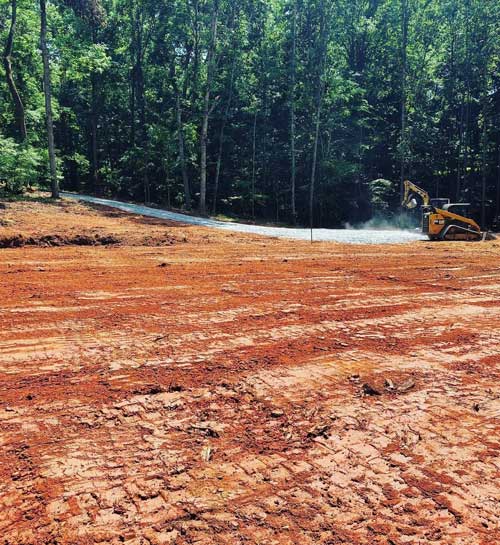
Many owners use phrases like “clear everything” or “open up the lot” without defining what the finished ground should be ready for. Clearing for a future building, a driveway, or general access can each require different standards. Think through whether stumps must be removed or only cut low, whether any existing trees, structures, or fences must stay, and how clean you expect the ground to be when work is finished. Before you request estimates, write down which areas must be usable when the job is complete, who will be using them next, and how level and debris‑free the land must be. The clearer your description, the easier it is for a contractor to design an appropriate scope and for you to compare estimates on equal terms.
2. Assign responsibilities so nothing is assumed

Unexpected gaps in responsibility are one of the most common sources of frustration in land clearing. Owners sometimes assume the contractor will handle every detail; contractors may assume some tasks belong to the owner or others. Go step by step through the work and ask who is responsible for each item. That may include requesting utility locates before digging, securing any permits or approvals that apply to your project, installing any temporary erosion control, arranging debris hauling and disposal, and handling access improvements for equipment if they are needed. Make sure these assignments are written down. Even a simple list that states whether a task belongs to you, the contractor, or another party goes a long way toward preventing last‑minute delays and extra costs.

3. Understand how clearing fits into the bigger project

Land clearing often sits near the beginning of a longer project. It may need to follow a survey, property line confirmation, or the final placement of buildings and driveways on a plan. In some cases, other parties such as designers, builders, or utility providers need to weigh in before major work begins. If those pieces are not ready, clearing can be delayed or areas may be cleared that later need to be left alone. Make a simple list of what must be decided or completed before clearing can start, what work will follow immediately after, and which professionals or organizations are involved. Then talk with your contractor about how they would schedule and sequence their work around those dependencies so you are not paying for equipment that is waiting on other decisions.

Decision guide

Turn insight into a workable land clearing plan

Once you know what people commonly overlook, the next step is turning that awareness into a clear plan. This section helps you organize your own project details, shape a written scope you can share with contractors, and decide whether you need a simple clearing job or a broader site preparation approach for your property.

Build a clear written scope before you compare estimates

Owners often collect several land clearing prices based on quick conversations or rough descriptions. That is one reason estimates can be hard to compare. A better approach is to create a basic written scope in your own words before you call. Describe the property areas to be cleared, anything that must be protected, how stumps and roots should be handled, what should happen to debris, and what you expect the site to be ready for when work is done. Share that same description with each contractor, and ask them to respond with their own written scope that reflects your goals. This makes it easier to see who has thought through your project and who is giving a generic number.

Choose between simple clearing and broader site preparation

Not every property needs a full site development plan, but some do. If you only need trees and brush removed to improve access or appearance, a straightforward land clearing scope may be enough. If you are preparing for new construction or significant improvements, it may make sense to consider how grading, drainage, and underground utilities fit together with clearing. Before you hire, think about what you want the land to support over the next couple of years. If you expect to build or install new infrastructure soon, ask potential contractors whether handling clearing together with other site work would give you a more direct path to a usable site.

Use a short readiness check before you commit

Before you sign an agreement, pause to confirm that the basics are in place. Do you have a clear drawing or description of the areas to be cleared and the areas to protect? Is there a written scope that matches what you expect the finished site to look like? Have you and the contractor agreed in writing on who is responsible for tasks like utility locates and debris disposal? Have timing expectations been discussed, including any firm deadlines on your side? If any of these pieces are still vague, ask for clarification. It is better to adjust the plan now than to rely on assumptions once equipment is on site.

Questions to ask any land clearing contractor

A few specific questions can reveal how well a contractor understands the kind of project you are planning. Ask them to describe their process for assessing a property before they start, how they sequence work from initial clearing through final cleanup, and how they handle changes if you adjust the scope during the job. Request a clear explanation of what their finished product will look like and what is not included. If you expect to add grading, drainage solutions, or underground utilities later, ask how they would coordinate their clearing work with those future steps. Their answers will help you see whether their typical approach lines up with the way you want your project to run.

Evidence and expectations

Why planning ahead matters for land clearing

Thoughtful planning on the front end of land clearing can save time, money, and rework later. An excavation and construction team with decades of site development experience sees the same issues repeat when early planning is vague. This section explains how experience with excavation, grading, and related work can help you plan clearing as a first step toward a usable site instead of an isolated task.

Land clearing as part of complete site development

Apex Excavating & Construction Services provides land clearing, site development, grading and drainage solutions, and underground utility installation for residential and commercial property owners and developers in the Greensboro area. Because they handle several stages of site work, they are able to view land clearing as one piece of getting a property ready for new use rather than as an isolated task. For owners, that can mean planning clearing around how the site will later be graded, drained, and connected to utilities so each phase supports the next.

Decades of excavation and grading experience

According to the company’s published information, Apex has over 30 years of experience specializing in residential and commercial site development, excavation, and grading. That depth of experience gives them a long view of how early decisions about clearing can affect the rest of a project. When you speak with a contractor that has worked on many different properties over the years, you can ask how they would sequence work on your site and what they have seen go well or poorly on similar jobs.

Serving Greensboro and the Triad from a local base

Apex is based in Stokesdale, NC and serves residential and commercial customers in Greensboro, Forsyth County, and other Triad communities. Their equipment and crews are organized around this region, providing excavation and related site work for local property owners and developers. For you, working with a contractor that regularly operates in the Triad can simplify planning conversations about access, scheduling, and how to coordinate land clearing with other site work on your property.

Main website image
Main website image
Local context · Stokesdale, NC

How Triad‑area owners can plan land clearing

Apex Excavating & Construction Services is based in Stokesdale, NC and provides land clearing and related site work for residential and commercial properties in Greensboro and the broader Triad area. For local owners, that means you can plan clearing with a contractor that regularly works in area communities and is familiar with preparing sites here for new use. When you speak with a contractor, share where your property sits within the Triad, how you plan to use the land after clearing, and whether you expect to add grading, drainage work, or underground utilities. Because Apex offers all of those services, you can ask whether it makes more sense to treat land clearing as a stand‑alone job or as the first phase of a coordinated site development plan. That decision affects how the work is sequenced, how many times equipment has to mobilize to your property, and how quickly your land can move from overgrown to ready for the next step.

Questions worth asking

Common questions about planning land clearing

As owners dig into land clearing details, certain questions come up again and again. These answers focus on planning, scope, and coordination so you can have more productive conversations with any contractor you contact.

What should I prepare before requesting land clearing estimates?

Before you call for land clearing estimates, gather basic information about your property and your goals. Have the property address, a sense of the lot size or a survey if you have one, and notes or photos that show the areas you want cleared and any features that must be protected. Write down what you want the land to be ready for when work is finished, such as new construction, a driveway, or general access. Note any firm timing requirements. If you know about existing utilities, septic systems, or easements, record where they are located. Having this information ready helps contractors give you more specific feedback instead of rough guesses.

How far ahead should I plan land clearing?

Lead times for land clearing depend on contractor workload, season, and project complexity. For most substantial properties, it is not a next‑day service. Because clearing often connects to grading, drainage, or building schedules, start conversations as soon as you have a basic idea of your goals and site constraints. That may be several weeks or months before you want work to begin. Ask each contractor about their current availability, how much time they need between a signed agreement and mobilizing equipment, and what might affect your preferred timing. Building in some flexibility reduces pressure to rush decisions just to get on a schedule.

What is often not included in basic land clearing?

Exact inclusions and exclusions vary by contractor, which is why they must be confirmed in writing. Owners sometimes assume certain items are included when they may be treated as additional work. Examples to clarify include whether stumps will be removed or only cut low, how all debris will be handled, whether old fences or small structures are part of the scope, whether fine grading or leveling is included, and what will be done about buried objects if they are encountered. Ask your contractor to list what is included, what is excluded, and what can be added as separate work so you understand where their responsibility ends.

How does land clearing relate to later grading and drainage?

Removing trees and brush changes how a property can be shaped and how water may move across it. If grading and drainage are not considered during planning, you can end up needing additional work after clearing is complete. For projects that aim at new buildings, driveways, or other improvements, many owners find it useful to at least discuss a basic grading and drainage approach while they plan clearing. Ask contractors how they expect to leave the ground when clearing is finished, whether they see potential grading or drainage concerns, and what follow‑up work they would recommend before construction begins.

Can doing some clearing myself lower the cost?

Some owners consider cutting small trees or brush on their own to reduce the amount of work a contractor must do. Whether this helps depends on safety, access, and how the contractor plans to handle the site. If you want to do any work yourself, discuss it before the job is priced. A contractor may adjust their scope or advise against certain do‑it‑yourself efforts that could make their work harder, such as leaving debris in areas that equipment must access. Clarify who is responsible for disposing of anything you cut and how your work will be separated from the contractor’s work so there are no misunderstandings later.

Your next step

Ready to talk through your land clearing plans?

If you are planning land clearing for a property in Greensboro, Stokesdale, Forsyth County, or the broader Triad, a focused conversation with a site work contractor can turn rough ideas into a realistic plan. Apex Excavating & Construction Services handles land clearing as part of complete site development, including grading, drainage solutions, and underground utility installation for residential and commercial projects. You can call 336-314-0272 or use the contact form on their website to share your property address, basic goals, and timing. From there, you can discuss feasibility, next steps, and whether it makes sense to bundle land clearing with other site work so your property moves steadily toward the condition you need.