Do I need a complete set of building plans before calling a demolition contractor?
You do not need fully engineered plans to start a demolition conversation, but you should have a clear idea of what you want removed and what you hope to do with the property afterward. A basic site sketch or survey, photos of the structure, and a plain‑language description of your goals are usually enough for a contractor to schedule a visit and prepare an initial estimate. If you already have construction drawings, share them; they help the contractor understand how clean and level the site needs to be and where future structures or driveways will go.
What if utilities are still connected to the building I want demolished?
Active utilities are a critical safety concern. Before demolition, power, gas, water, and other services must be properly shut off or relocated. Some owners coordinate directly with utility providers, while others ask the contractor to help with those steps. Because each project and jurisdiction is different, you should ask any demolition contractor to explain, in writing, who is responsible for each disconnection and how they will confirm it is complete before work begins. Do not allow demolition to start until this point is clearly addressed and documented.
Can demolition and land clearing happen at the same time?
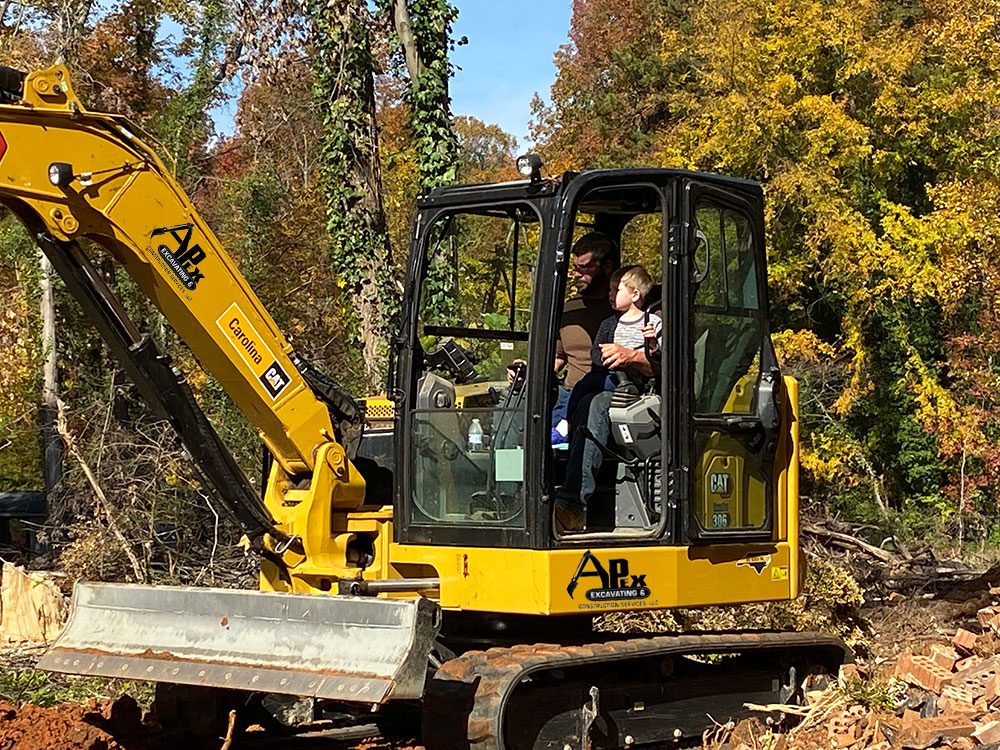
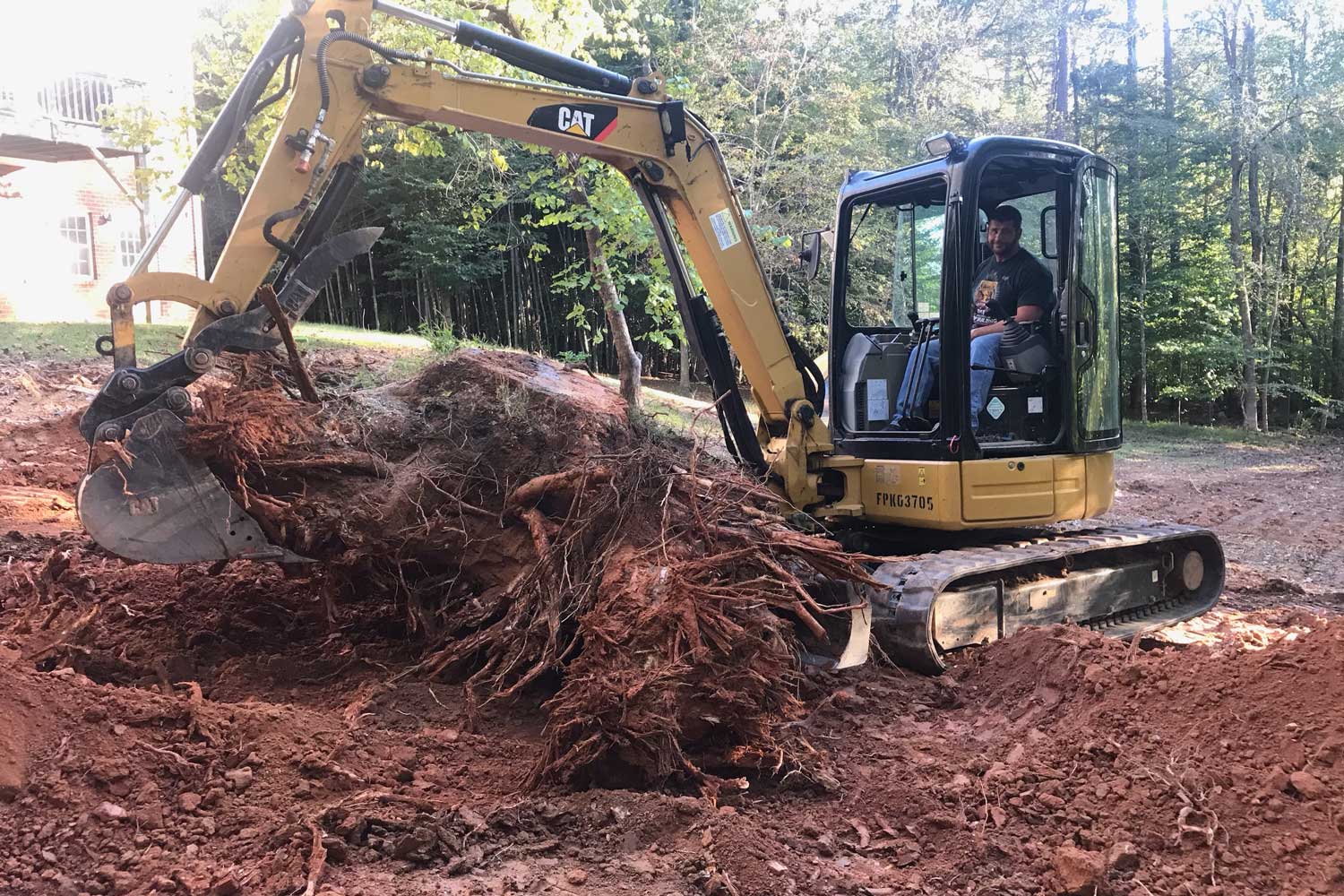
In many projects, demolition and land clearing are closely linked. For example, you may need a structure taken down and trees, brush, or old outbuildings removed from the surrounding land. A contractor who handles both demolition and land clearing can often plan them as a combined scope, using the same equipment mobilization to remove structures and vegetation efficiently. Whether they run simultaneously or in sequence depends on access, safety, and your end goals. Discuss with your contractor how they would stage each part of the work and what condition they can leave the entire site in when they are finished.
How clean will my site be after demolition is finished?
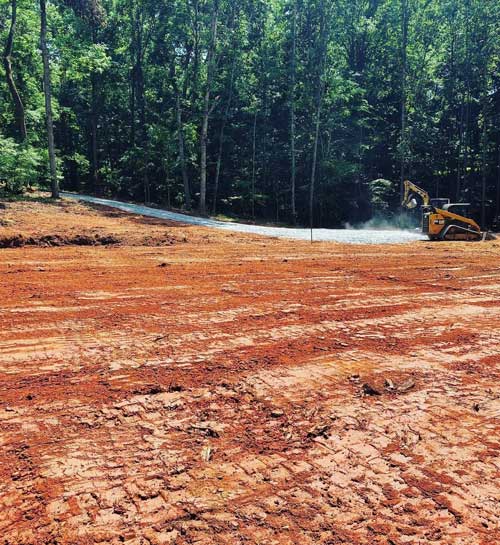
Clean can mean different things, which is why it should be defined in the contract. Some projects call for complete removal of visible debris, with a roughly graded surface ready for follow‑up site work. Others might require removal of slabs or foundations, backfilling of holes, and more precise grading. Ask your contractor to describe, and write down, what the finished condition will be: which materials will be removed, what will be left in place, whether they will rough‑grade disturbed areas, and how they handle any unexpected buried debris they encounter while working.
Is it better to hire one contractor for demolition and the rest of the site work?
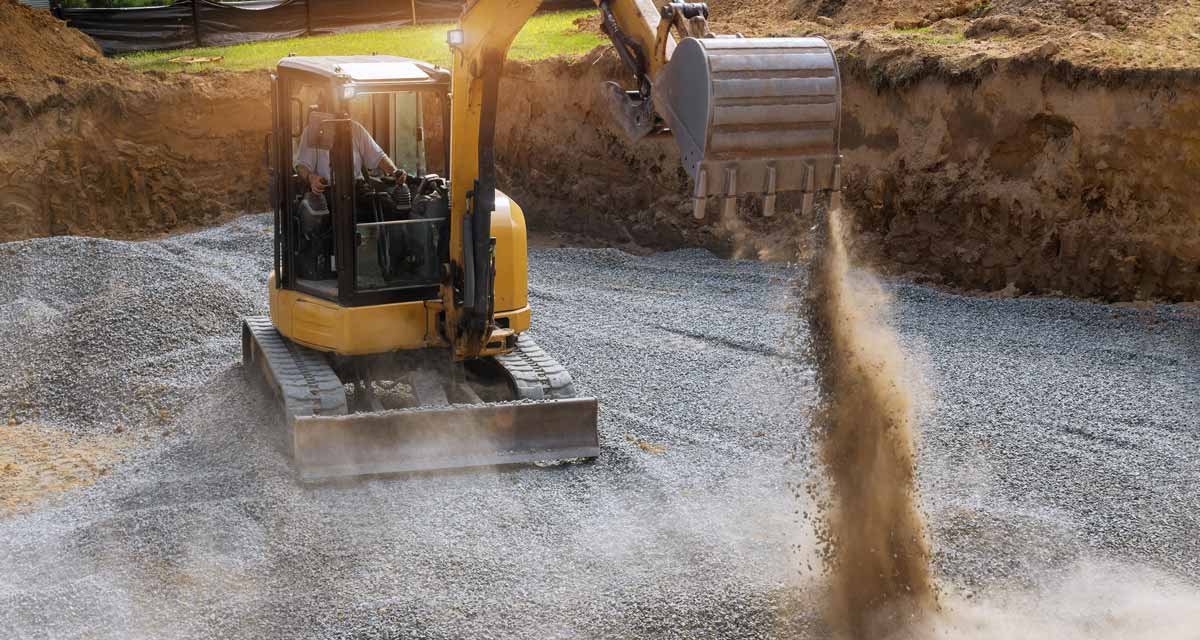
There is no single right structure, but there are tradeoffs. Using one contractor for demolition, grading, drainage, utilities, and broader site development can simplify communication and schedule coordination. The same team that tears down your structure can shape the land, help manage water, install underground lines, and prepare the site for building, reducing handoffs. On the other hand, some owners choose separate specialists based on unique project needs. If you are considering multiple providers, ask each how they coordinate with other trades, what information they need from one another, and who will be responsible for solving issues that cross between demolition and later stages.