Planning Site Work or Construction?

How to Compare General Contractor Proposals

You have two or three general contractor proposals in front of you, and they all look different. One is cheaper, one is more detailed, another promises a faster schedule. This guide shows you how to put those proposals side by side, test what is actually included, and see which contractor has truly thought through your site, your risks, and how the work will run day to day.

Main website image
The short answer

What matters most

To compare general contractor proposals, first make sure they all cover the same defined scope in writing, including deliverables, responsibilities, and timing. Then review each proposal against the same checklist: how clearly it describes the work and site areas, what quality standards and assumptions it uses, what is excluded, and how changes and payment terms are handled. Look for proof of similar past projects, a realistic approach to communication and coordination, and a complete picture of total cost and risk instead of focusing on the headline price alone.

Start comparison by writing your own clear description of the project, so proposals can be judged against the same goals.
Make each contractor define scope in specific, written terms, covering areas, tasks, and the condition the site will be left in.
Look for evidence that each proposal accounts for your actual site conditions, not a generic or idealized property.
Compare schedule details, communication approach, and change processes, not just total price and start date promises.
Use documented experience and regular work in the Triad region as reference points when evaluating how well proposals match your local project.
Main website image
A useful way to think about it

A Step‑by‑Step Way to Compare Contractor Proposals

Because each contractor writes proposals differently, it is hard to see what truly separates them at a glance. These steps help you standardize what you are looking at so the real differences become obvious instead of buried in fine print.

1. Start by defining your project in your own words

Before you can fairly compare any general contractor proposals, you need your own clear description of the project. Write down what you are building or preparing, where it sits on the property, and what “done” looks like to you. Note any must‑have elements such as land clearing, demolition, grading, drainage improvements, underground utilities, driveways, or foundations. Add your target start and completion windows and any constraints like access limits or neighbors. This simple project brief becomes the baseline you share with every contractor and the yardstick you use to see whether each proposal actually matches your goals.

2. Put every proposal on the same scope of work

Proposals are hard to compare when they describe different scopes. One may include full land clearing and rough grading, while another only includes excavation for a foundation. Sit down with each proposal and mark which parts of your written project description are included, unclear, or missing. Where the scope is vague—phrases like “prep site as needed” or “grading as required”—flag those lines and ask the contractor to translate them into specific areas, quantities, or tasks. Your aim is to get all proposals describing the same logical pieces of work in writing: which areas will be touched, what will be removed or installed, and what condition the site will be in when they are finished.

3. Compare how thoroughly each proposal addresses site conditions

Excavation, grading, drainage, and utilities depend on the ground you actually have, not an ideal lot. Review each proposal for signs that the contractor has considered your soil, slopes, water movement, existing structures, and access. Do they reference a site visit, survey, or drawings? Do they mention handling unsuitable soil or rock, wet areas, or existing utilities? Proposals that ignore these realities often look cheaper but may lead to large changes later. Mark any assumptions about the site, then ask each contractor how they will handle common risks they may encounter on properties like yours. The more specific the answer, the more seriously they have studied your project.

Decision guide

Turning Proposal Comparisons Into a Confident Choice

Once you understand how the proposals differ on paper, you still need to decide who to hire. These sections help you weigh tradeoffs, close gaps in the documents, and move from comparing numbers to choosing a contractor who fits your goals and risk tolerance.

Weigh schedule promises against what is written

Fast schedules can be appealing, but only if they are backed by a clear plan. Look at each proposal’s schedule section and ask what it is actually promising. Does it list just a total duration, or does it outline major phases such as clearing, grading, drainage, utilities, and final preparation? Are there conditions attached, such as weather, permitting, or coordination with other trades? A contractor who explains dependencies may seem more cautious on paper, yet may give you fewer surprises once work begins. Ask each contractor what could delay the project, how they communicate schedule changes, and whether they build in time for inspections or other parties you are relying on.

Balance price with risk, scope clarity, and proof of similar work

Price matters, but only in the context of what you are actually getting. Lay the total price next to how completely the scope is defined, how site conditions are handled, and what proof you have of similar past work. A very low price paired with vague scope and little evidence of comparable projects carries more risk than a slightly higher number backed by detailed planning and documented experience. Request references, photos, or project descriptions that match your type of work and see how closely those examples resemble your own plans before treating any proposal as a bargain.

Clarify responsibilities, communication, and how changes are handled

Two proposals can look similar in scope and price but differ dramatically in how the work will run day to day. Read closely for who will coordinate with surveyors, inspectors, utility companies, and other contractors. Ask who your primary contact will be on site, how often you will receive updates, and how questions are handled. Then focus on changes: how are unexpected conditions, added work, and design revisions priced and approved? Do they require written change orders, and how quickly do they alert you to issues? A contractor with a clear, documented process for changes and communication can keep even a challenging project under control.

Resolve open questions before you sign anything

If a proposal leaves you guessing about a line item, a responsibility, or a risk, treat that as unfinished business. Make a list of every unclear phrase, assumption, or blank area from each document. Schedule follow‑up calls or meetings and walk through the list with each contractor, asking them to revise their written proposal where necessary. Do not rely on verbal promises that never make it onto paper. Your goal is not to pressure anyone into changing pricing, but to ensure that all proposals describe the same work, risks, and expectations so that your choice is grounded in what will actually happen on your property.
Evidence and expectations

How Experience and Full‑Site Services Show Up in Proposals

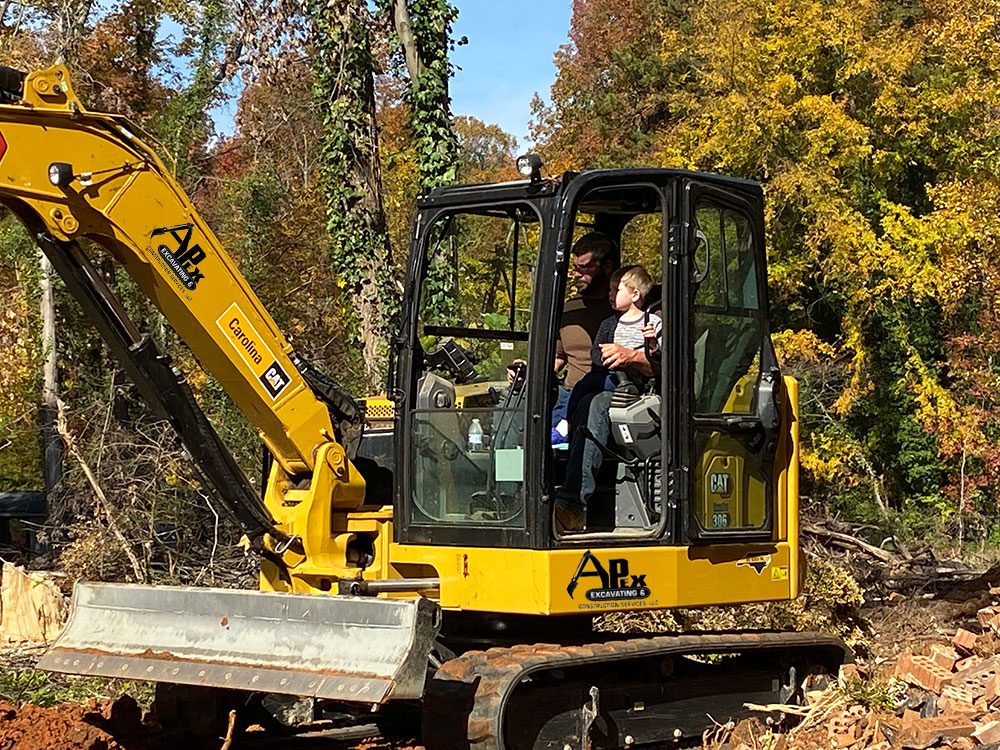
For excavation, grading, drainage, and utilities, a proposal is more than a quote. It shows how a contractor thinks about your land and the sequence of work. Here is how the documented experience and services offered by Apex Excavating & Construction Services can inform what you look for when comparing any proposals for this type of project.

Using decades of site development experience as a filter

Apex Excavating & Construction Services reports more than 30 years of experience in residential and commercial site development, excavation, and grading. When you compare proposals for this kind of work, you can use that level of experience as a benchmark. Look for signs that any contractor you consider has handled projects that move a site from raw land to build‑ready condition, and ask them to point to past work that resembles your own plans. Proposals that reflect lessons from many completed projects tend to spell out scope, responsibilities, and likely problem areas more clearly.

Looking for full‑site thinking in the written scope

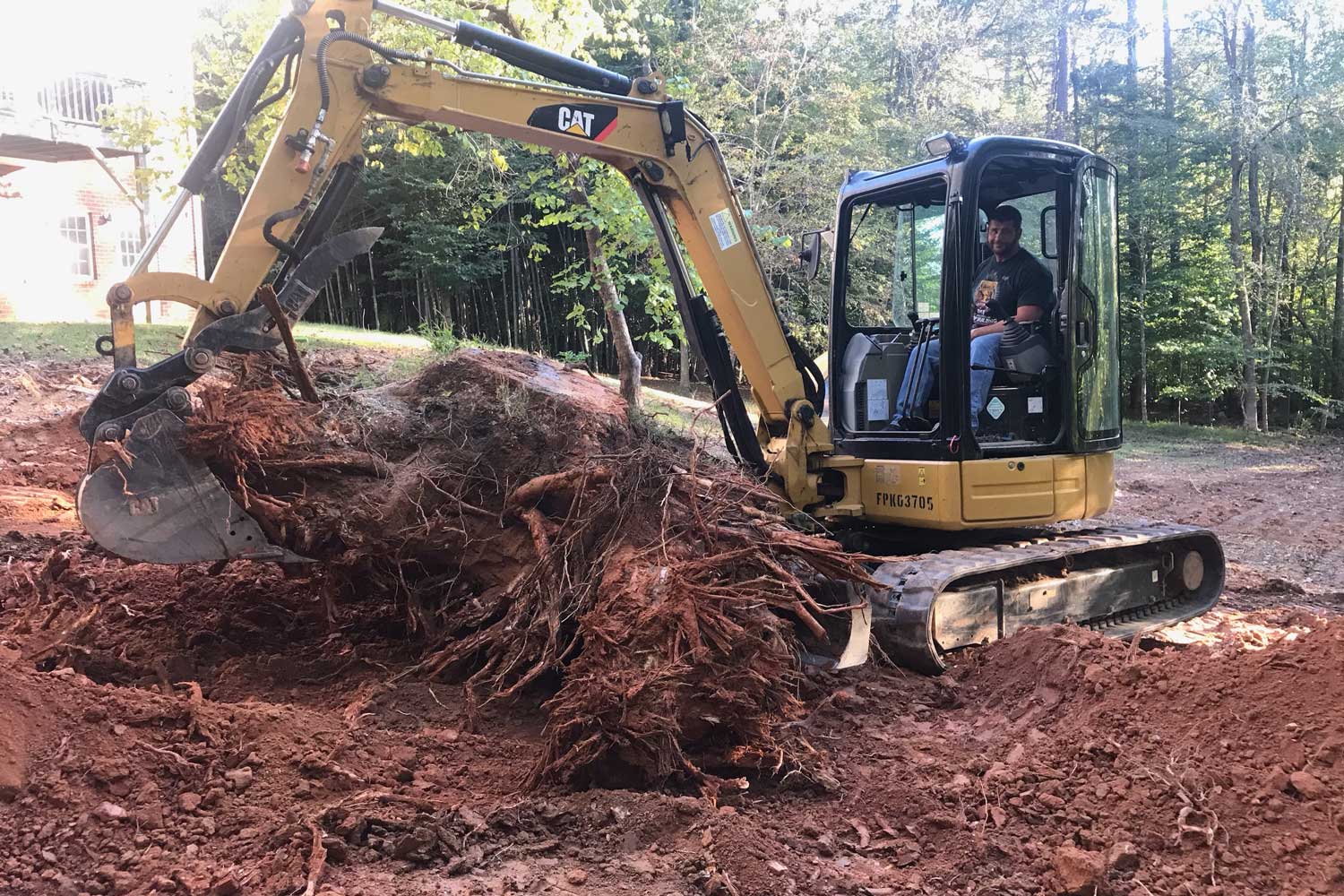
According to the approved business description, Apex handles site preparation tasks such as land clearing, grading, drainage solutions, and underground utility installation for residential and commercial properties. That kind of full‑site focus is a useful model when you read any proposal. Check whether the document treats your project as a connected sequence—from clearing, through grading and drainage, to utilities and final preparation—or as unrelated line items. A proposal that shows how these tasks fit together usually makes it easier to understand how the contractor will leave your property when the work is complete.

Considering regional focus when you compare contractors

The approved evidence shows that the company serves residential and commercial customers throughout the Triad region, including Greensboro and Forsyth County, from its North Carolina base. When you compare proposals for projects in this area, it can help to confirm that each contractor regularly works in the same region. Ask how often they handle excavation and related site work in your county, and how they coordinate projects from their local operations. Proposals that reflect regular work in your area are often clearer about how the contractor will fit your job into their crews, equipment, and scheduling.

Main website image
Main website image
Local context · Stokesdale, NC

Comparing Proposals for Projects in the Greensboro–Triad Area

If your project is in Greensboro, Stokesdale, or nearby Triad communities, you will likely be comparing contractors who work regularly in this region. When you review proposals, look for clear references to your actual site plans and for scopes that cover the site development tasks common in this area, such as land clearing, grading, drainage work, and underground utilities for residential or commercial projects. Ask each contractor whether they regularly handle work in your part of the Triad and how they coordinate with local project teams and requirements. Proposals that clearly connect their services to your specific property and plans are easier to compare and usually carry fewer surprises once work begins.

Questions worth asking

General Contractor Proposal Comparison: Common Questions

Property owners and developers often run into the same sticking points when they try to compare written proposals. These questions highlight areas that can hide major differences in cost, schedule, and responsibility.

How many contractor proposals should I collect before deciding?

There is no fixed number, but for most site development or general contracting projects, two to three solid, written proposals are enough to see meaningful differences. More than that can create confusion instead of clarity. Focus on collecting complete proposals from contractors who can actually handle your type and scale of work. If the first two proposals are very different in scope or clarity, a third can help you understand the range of competent options before you decide.

What if one proposal is missing details but the contractor seems great in person?

A strong impression in conversation is helpful, but it cannot replace a clear written proposal. If a contractor seems capable yet their paperwork is thin, use that as a chance to improve the document. Share a list of questions and ask them to revise their proposal to address scope, schedule assumptions, responsibilities, and how changes will be handled. Their willingness and ability to put details in writing, and to do so promptly, is a useful sign of how questions may be handled once work is underway.

How should I compare payment terms across different proposals?

Look beyond the total price and examine how and when payments are due. Compare the size and timing of deposits, the number and triggers of progress payments, and any final retention or holdback. Ask whether payments are tied to milestones you can verify, such as completion of clearing, rough grading, or utility installation. Be cautious about schedules that move a large share of cost to the very beginning of the job before measurable work is completed. Also review how extra work is billed and whether you will receive written change orders before those charges are incurred.

What should I do if proposals make different assumptions about permitting or inspections?

Permitting and inspections can affect both schedule and cost, so differences in assumptions matter. Go through each proposal and highlight who is responsible for obtaining permits, scheduling inspections, and paying associated fees. If one contractor assumes you will handle those tasks while another includes them in their scope, you are not comparing the same work. Ask each contractor to spell out in writing which approvals or inspections are expected for your project, who will coordinate them, and how any delays or failures are handled so you can compare approaches fairly.

Can I negotiate a proposal, or should I just accept or reject it?

You rarely have to treat a proposal as all‑or‑nothing. Productive negotiation often focuses less on pushing for a lower price and more on aligning scope, schedule, and risk with your priorities. Once you understand how each proposal is built, you can ask about options such as adjusting the sequence of work, clarifying allowances, or redefining responsibilities to fit your budget and comfort level. If there are parts of the proposal you do not need immediately, you can discuss making them alternates or future phases. Any agreed changes should be reflected in an updated written proposal so everyone shares the same final plan.

Your next step

Ready to Talk Through a Proposal Line by Line?

If you are planning land clearing, grading, drainage work, underground utilities, or broader site development in the Triad and need help making sense of competing proposals, a direct conversation can prevent expensive misunderstandings. Apex Excavating & Construction Services focuses on turning raw land into build‑ready residential and commercial sites and can explain how scope, schedule, and risk are handled on similar projects. Call 336-314-0272 or reach out through the contact form to discuss your plans and request a site‑specific proposal you can compare clearly against others.