Before You Approve Grading Work

What’s Included in Grading & Leveling

You know the land has to be shaped before you build, but “grading and leveling” can mean very different things from one proposal to the next. This page breaks down what is usually included, what needs to be spelled out in writing, and how grading and leveling fits into broader site development work.

Main website image
The short answer

What matters most

Grading and leveling generally includes evaluating your site, then using excavation and grading equipment to shape, level, and smooth the land so it meets the elevations and slopes your project requires. A clear scope should state where grading will happen, how cut and fill will be handled, what compaction is included, how drainage will be addressed, and what condition the site will be left in so it is ready for the next phase of construction.

Grading and leveling should be described in a clear scope of work that outlines site evaluation, cut and fill, compaction, and the specific areas to be shaped.
Drainage and grading are related but not identical; confirm in writing what drainage considerations or measures, if any, are included in the grading scope.
Project timing and how grading fits between earlier preparation and later construction steps should be discussed and documented before work starts.
Apex Excavating & Construction Services brings decades of excavation and grading experience and provides grading, drainage, land clearing, and underground utility work as part of complete site development.
The company’s Triad‑based operations, including service to Greensboro and Forsyth County, make an on‑site evaluation in this region a practical starting point for confirming grading and leveling scope and pricing.
Main website image
A useful way to think about it

What a Grading & Leveling Scope Usually Covers

Before you sign a grading proposal, it helps to know what this kind of work typically includes. Grading and leveling is about more than just making the ground look flat; it is about shaping the site so it can support foundations, driveways, and other improvements. These elements are commonly part of a well‑defined scope.

Site evaluation and basic planning

A grading and leveling project typically starts with an on‑site evaluation. The contractor looks at existing slopes and how the land is currently shaped, then compares that to your construction or improvement plans. The goal is to decide which areas need to be brought to certain elevations or slopes so they can support what you intend to build or install. This is also the stage where access for equipment is discussed and any limits, such as structures to work around or areas to avoid, can be identified for the written scope.

Cut, fill, and shaping the land

After the plan is outlined, grading equipment is used to lower higher areas and move that material into lower spots that need to be raised. This cut‑and‑fill work is central to grading and leveling. It is aimed at reaching the elevations and slopes needed for your project, not just improving appearances. A clear scope explains which sections of the property will be adjusted and how far the grading will extend beyond the obvious footprint of buildings, driveways, or other improvements.

Compaction for a usable surface

Soil that has been moved will usually need to be compacted so it can better support foundations, driveways, or other surfaces. As part of grading and leveling, contractors often compact filled areas and the final surface with appropriate equipment. Your written scope should note where compaction is included and what kind of material will be used in critical areas, such as building pads or access routes, so you know what kind of surface the next phase of construction can expect to build on.

Decision guide

How to Confirm Your Grading & Leveling Scope in Writing

Once you understand the pieces that go into grading and leveling, the next step is to make sure your proposal or contract makes those pieces explicit. The checkpoints below help you move from a vague instruction like “grade the lot” to a scope you can review, question, and rely on.

Pin down exactly what areas are included

Descriptions like “grade the property” leave too much room for interpretation. Ask the contractor to identify the specific areas included in the work, such as a future building location, driveway or parking areas, and any temporary access routes for construction. Confirm how far beyond those areas they will shape and compact the soil, and whether transitions into existing ground are part of this phase. If you have multiple improvements in mind, decide which ones are addressed now and which will wait, then have that reflected in the written scope.

Clarify how drainage fits into the scope

Grading and drainage are closely related, but they are not always the same line item. Ask the contractor to explain how the proposed grading will move water away from planned foundations, driveways, or other areas you want to protect. Confirm whether the work only covers shaping the ground, or whether any dedicated drainage measures are included. If there are known water concerns on the property, discuss whether separate drainage solutions are recommended so you are clear on what is and is not covered by grading alone.

Discuss schedule and how work ties into other tasks

Grading and leveling often take place between earlier preparation tasks and later construction steps. During planning, ask how long the grading phase is expected to take, what conditions might delay work, and how start and finish dates will be coordinated with any other crews on your project. Confirm how the site will be left when this phase is complete, including where equipment will access the property and which areas will remain usable for follow‑on work such as foundations, driveways, or utilities.

Set expectations for updates and changes

Conditions below the surface are not always obvious until equipment starts moving soil. Ask how the contractor will update you if they find soft spots, hidden debris, or other issues that could change the plan. Clarify who can approve changes, how those changes will be documented, and how any cost or schedule impacts will be handled. Having this communication process outlined up front makes it easier to manage surprises without confusion once grading is underway.

Evidence and expectations

How Apex Excavating & Construction Services Fits Into Grading & Leveling Work

Public information about Apex Excavating & Construction Services shows a focus on excavation, grading, and broader site development. These capabilities matter when you want grading and leveling that ties smoothly into the rest of your project.

Decades of excavation and grading experience

Available business information indicates that Apex Excavating & Construction Services, operating through triadexcavation.com, has more than 30 years of experience specializing in residential and commercial site development, excavation, and grading. That history shows a long‑term focus on the type of work that includes grading and leveling as a core piece of preparing land for construction.

Focus on complete site development

Public descriptions of the company’s work show that it handles site development tasks such as land clearing, grading, drainage solutions, and underground utility installation for residential and commercial projects. Because grading and leveling are part of this broader offering, you can discuss how your grading scope will coordinate with any related work you may need, rather than treating each task as an isolated service.

Established presence in the Triad region

Approved market information shows that the company serves residential and commercial customers in Greensboro, across the broader Triad area, and throughout Forsyth County as part of its regular service footprint. Organizing equipment and crews around these communities indicates that grading and related site work are routinely performed within this region.

Main website image
Main website image
Local context · Stokesdale, NC

Where Apex Handles Grading & Leveling

Apex Excavating & Construction Services, through its Triad‑based operations, provides excavation and related site work for residential and commercial properties in and around Greensboro and across the broader Triad area. Approved information also notes service throughout Forsyth County as part of that regional coverage. For grading and leveling, this means you can discuss your project with a contractor already set up to work within these communities. As you plan, it is worth asking whether your property falls inside their regular service area, how they schedule work in your specific city or county, and how grading will align with any other site work you may need, such as drainage, land clearing, or underground utilities.

Questions worth asking

Grading & Leveling: Common Questions

Property owners often want to know what grading and leveling includes, how it affects the site while work is underway, and how it connects to drainage and soil conditions. These answers focus on those practical concerns so you can prepare for a more detailed conversation about your project.

Is grading and leveling always required before building?

Not every project calls for extensive grading and leveling, but many that depend on stable, well‑drained ground will need some amount of land shaping first. New buildings, additions, garages, shops, or access improvements often require the site to be brought to specific elevations and slopes. On relatively flat, well‑drained land, less work may be needed. Because conditions are different from property to property, the most reliable way to know is to have a contractor look at your site, review your plans, and explain what level of grading is appropriate.

What will my property look like during grading and leveling?

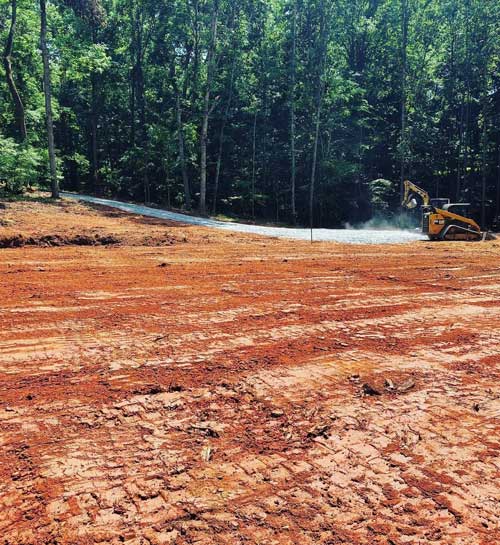
While grading and leveling are underway, the work area will look rough. Soil is moved, cut and fill areas are exposed, and equipment tracks will be visible. Your scope of work should state how the contractor will leave the site when this phase is finished, including which areas will be smoothed and whether any surfaces will be dressed with materials like gravel or topsoil. If you have landscaping or features you want to protect, point them out during the site evaluation so they can be considered in the plan.

What should I ask about soil and compaction before work starts?

It is helpful to ask how the contractor expects to handle the soils on your property and what compaction steps are included in the grading scope. Clarify whether they anticipate any areas that may need extra attention, how they plan to build up any pads if required, and what equipment will be used to compact the soil or base layers. If you plan to place a building or pavement on the graded area, ask what level of compaction is appropriate and how they will confirm that it has been reached.

Can grading and leveling solve drainage problems by itself?

Changing the shape of the land through grading and leveling can influence how water moves across a property and may reduce some standing water or runoff issues. However, ongoing drainage problems can also require dedicated drainage solutions in addition to grading. When you meet with a contractor, describe any existing water concerns and ask whether grading alone is likely to address them or whether a separate drainage plan is recommended. That distinction should be reflected in your written scope so you know what you are getting.

How can I get my property ready for a grading crew?

Before grading begins, remove or clearly mark any items you want to keep that might be in the work area or in the way of equipment. Provide any plans or surveys you have and be ready to walk the property with the contractor to point out boundaries, features to preserve, and areas that are off‑limits. Confirm where equipment will enter and exit, where trucks can be staged, and whether any neighbors need a heads‑up about temporary noise or changes to access. Preparation like this helps the work proceed more smoothly once equipment arrives.

Your next step

Talk Through Your Grading & Leveling Scope

If you are looking at slopes, low spots, or rough ground where you plan to build or improve access, a direct conversation with a grading contractor can clarify what should be included in your scope. Apex Excavating & Construction Services provides grading and leveling as part of complete site development work for residential and commercial projects in the Triad. The team evaluates your site, reviews your plans, and develops a project‑specific grading scope so you know what areas will be shaped, how drainage will be addressed, and what the schedule looks like. To discuss your project, you can call 336-314-0272 or reach out through the online contact form to request an on‑site evaluation.