Land clearing with a clear finish line

Plan Land Clearing Around the Outcome You Want

Many projects start with a vague instruction to “clear the lot,” but heavy equipment and disposal add up fast. If you do not define what the land should be ready for, you can easily clear too much, too little, or to the wrong standard. This guide shows you how to spell out the end result you want from your property and then plan land clearing, grading, and related work around that outcome instead of guessing at scope from the seat of a dozer.

Main website image
The short answer

What matters most

To plan land clearing well, define the finished condition you want from your property and how success will be judged before you decide on scope. Write down what needs to be usable or build‑ready, what can stay natural, any hard constraints such as access or deadlines, and your priorities for budget, schedule, and long‑term maintenance. Then use that list to discuss options with a contractor so you can weigh tradeoffs in timing, cost, and follow‑on work against a clear standard for when the job is truly done.

Begin land clearing plans by describing the property’s end use and what “done” looks like, not by guessing at acres or machine hours.
Use simple sketches or marked‑up surveys to show areas to clear, protect, and leave natural so you and any contractor share the same picture.
Define success criteria such as stump handling, debris removal, surface smoothness, and access requirements before you compare estimates.
Consider phased clearing and varied standards across the site to balance budget, schedule, and future flexibility.
Coordinate clearing with grading, drainage, and underground utilities where possible, especially on build‑ready projects in the Greensboro and Triad region.
Main website image
A useful way to think about it

How to plan land clearing from the outcome backward

Instead of starting with “take down all the trees from here to there,” you get better results if you start from the end state you care about and work backward. These steps give you a practical framework you can use on your own, then refine with a contractor.

1. Describe the end use in plain language

Before you think about trees, stumps, or equipment, write a simple sentence or two about what you want the property to do for you. Are you planning to build a house or barndominium, create a driveway and parking area, open room for a future shop, or just clean up a portion of a larger tract? Be specific about which areas must be build‑ready or regularly usable and which areas can remain wooded or more natural. For example, you might only need a house pad, driveway path, and yard area cleared, not the entire lot. This short description becomes the anchor for every later decision about what gets cleared and what stays.
2. Define what “done” looks like on the ground

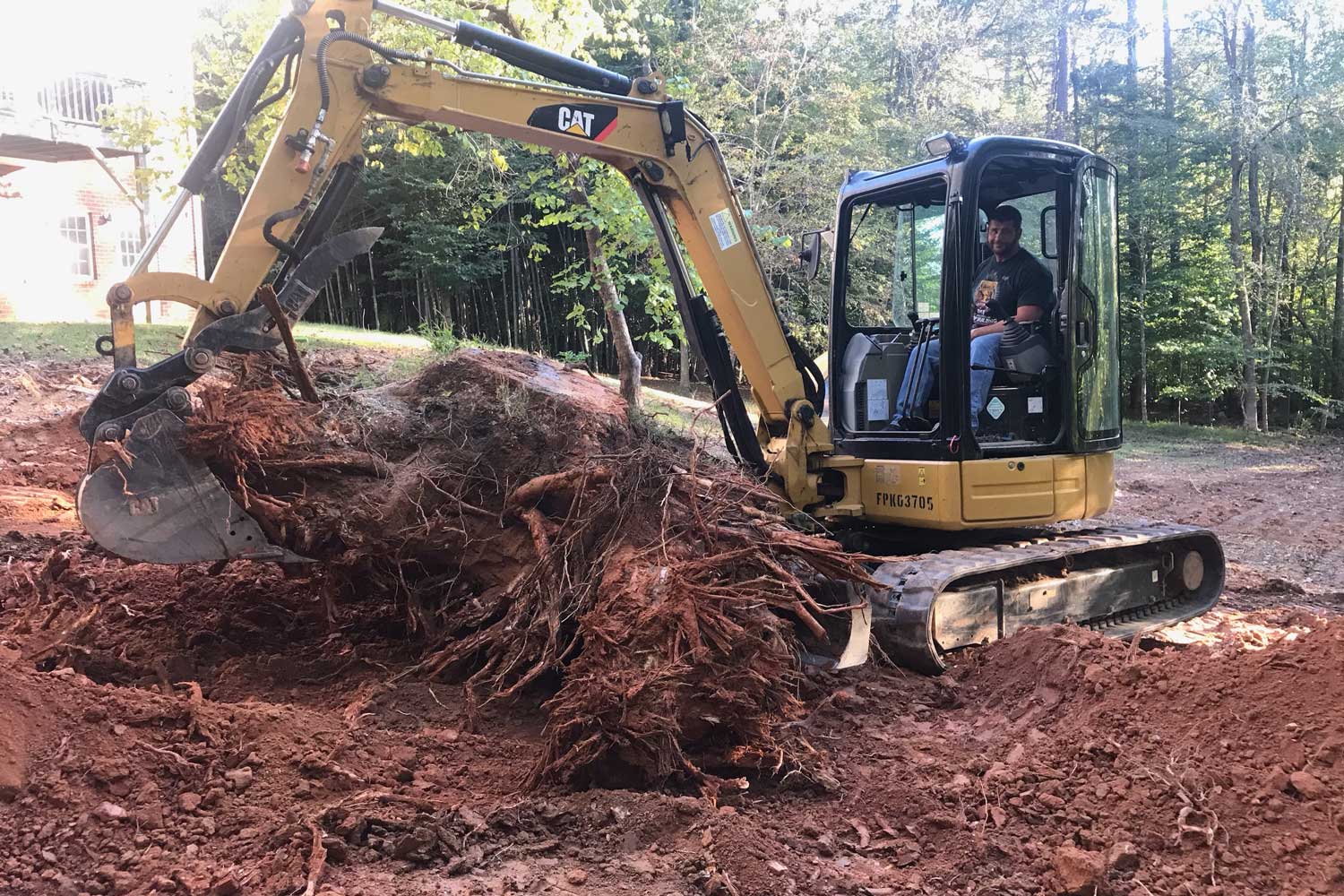
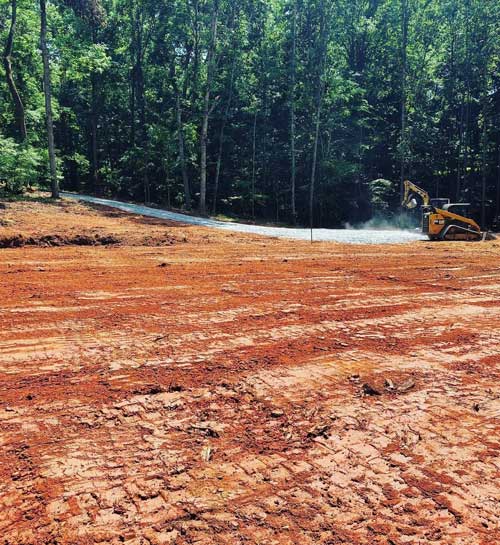
Two people can look at the same cleared site and disagree about whether it is finished. That is why you need to define your success criteria. Do you need all stumps removed or just cut flush? Should brush be chipped, hauled off, or piled? Do you expect a roughly smoothed surface or a site that is graded and ready for immediate construction? Write down how you will judge the land when the contractor says the job is complete. This might include things like no large debris left on the surface, clear access for trucks, visible drainage paths, or a pad at a specific elevation. Later, those criteria can be turned into written scope items in a proposal.

3. Map the areas to clear, protect, and leave alone

Even a rough sketch on notebook paper can make a big difference. Outline property lines if you know them, mark structures or features that must stay, and shade the areas you want cleared. Note any trees you definitely want to preserve and any sensitive areas like streams, steep banks, or neighboring fences. If you have a survey or site plan, print a copy and mark it up. This simple exercise helps you and any contractor see whether you really want the entire parcel cleared or just corridors, building footprints, and access routes. Clear visuals also reduce the chance of misunderstandings about how far clearing should extend in any direction.

Decision guide

Turning your plan into clear choices and next steps

Once you have a rough vision and notes about your property, the next challenge is turning that into real‑world decisions. These sections walk through the key tradeoffs you will face and how to structure conversations with contractors so you are choosing between clearly defined options, not vague promises.

Clarifying scope: full clearing, selective work, or phased?

Once you know what you want the land to do, you can start shaping scope. Some projects call for full clearing of a defined area, including stumps and old structures. Others benefit from selective clearing to keep shade trees or natural buffers at property lines. You may also decide to clear only what is needed for the first phase, such as a house pad and construction access, then expand later. When you talk with a contractor, ask them to describe in writing what each option includes and excludes and what your site will look like after each phase so you are choosing between clearly defined scopes, not vague labels like “basic” or “complete” clearing.

Balancing budget with quality and future work

Clearing is not just an upfront cost; it shapes the cost of every step that follows. A less expensive option that leaves stumps, roots, or uneven ground may save now but add expense when you move to grading, utilities, or foundations. On the other hand, you may not need the most intensive approach across your entire property. A practical way to think about budget is to assign your highest standard to areas that will hold structures, driveways, or parking, and accept a lighter standard where land will remain more natural. With pricing based on site size, terrain, material volume, and access, ask your contractor how different clearing standards in different zones will change cost now and later.

Coordinating land clearing with grading and drainage

Land clearing decisions affect how water moves and how easily the site can be graded. Removing trees and vegetation changes runoff patterns, which can either help or hurt drainage around future buildings and driveways. If you clear without thinking about grading, you may cut or fill twice. For projects that will also need grading and drainage solutions, consider involving a contractor who handles those services in the same plan. Ask them to show you how the proposed clearing ties into slope adjustments, drainage paths, and any underground utilities so the property moves toward a build‑ready condition in a single, coordinated sequence.

Choosing who does what: you, a tree service, or a site contractor

Some owners consider doing part of the work themselves or splitting responsibilities between a tree service and a site contractor. That can work, but it only goes smoothly when roles are clear. If someone else is felling trees, who is responsible for stump removal, debris hauling, and leaving access clear for heavy equipment? Will the site contractor be comfortable working behind another provider’s work, or do they require control over the entire clearing process? Use your written description of outcome and success criteria to assign responsibilities. Then confirm, in writing, who handles each step so there are no gaps or overlaps once machines arrive.

Evidence and expectations

Why contractor experience and full-site thinking matter

Land clearing is usually one part of broader site development that can include grading, drainage, utilities, and construction. Evidence about Apex Excavating & Construction Services shows how a contractor with this wider focus can help you plan clearing around the site you want to end up with, not just around what needs to be cut today.

Experience with full site development

Apex Excavating & Construction Services reports over 30 years of experience in residential and commercial site development, excavation, and grading. That experience matters for land clearing because the company is focused on preparing land as part of a broader plan, not just cutting and removing vegetation. When a contractor understands how foundations, driveways, utilities, and drainage work together, they can help you shape clearing to support those future steps instead of working against them.

Integrated services from clearing through utilities

According to the company’s service descriptions, Apex Excavating & Construction Services provides land clearing along with demolition contracting, grading and leveling, drainage solutions, underground utility installation, and broader site development. This combination allows you to ask how clearing will feed directly into shaping elevations, managing surface and subsurface water, and placing underground lines, so the scope for “ready for construction” can be defined in one coordinated plan.

Local focus on Greensboro and the Triad

The business identifies itself as a local Greensboro‑area contractor, based in Stokesdale and serving Triad communities, including projects throughout Forsyth County. It positions its equipment, crews, and scheduling around residential and commercial projects in this region. For property owners, that local focus can support practical planning details such as how quickly a site visit can happen and how clearing can be sequenced with other site work in the area.

Main website image
Main website image
Local context · Stokesdale, NC

Planning land clearing in Greensboro and the Triad

Around Greensboro and the broader Triad, land clearing often ties directly into excavation and related site work for new residential and commercial projects. Apex Excavating & Construction Services is based in Stokesdale and serves Greensboro and other Triad communities, including projects across Forsyth County. The company positions its equipment, crews, and scheduling around this region, which helps align land clearing with local site conditions and expectations. When you are planning work here, it is worth gathering any surveys or plats you have and thinking about how your site connects to nearby roads and properties so a local contractor can quickly see how clearing, grading, drainage, and utilities should fit your specific location.

Questions worth asking

Land clearing questions people ask once they start planning

As soon as you move past “I just want it cleaned up,” new questions show up. Here are focused answers to common follow‑ups that are not already covered above.

How much land should I clear if I am not sure about future phases?

If your long‑term plans are still flexible, focus on clearing what is required for near‑term use and access. That usually means the building footprint you know you need, room for construction equipment to operate, and any driveways or utility corridors that must be in place. Leave the rest in a more natural state until your plans are clearer. When you meet with a contractor, ask them to mark on a drawing which areas are essential for the first phase and what could remain untouched so you can compare a phase‑one‑only option with a more expansive scope.

Can I save money by leaving stumps in the ground?

You might, but only in places where those stumps will not interfere with your future use of the land. Stumps left in areas planned for buildings, driveways, parking, or utilities usually cause trouble and extra cost down the road. In lower‑priority areas that will remain wooded or lightly used, cutting stumps flush to the ground or leaving them in place may be acceptable. The key is to match stump treatment to your outcome map: full removal where you need stable, buildable ground and less intensive treatment where you mainly want visual cleanup.

How early should I bring a site contractor into my land clearing plans?

It is wise to involve a site contractor as soon as you have a rough idea of what you want to build or how you want to use the land, even if your building plans are not final. Early input can help you avoid clearing the wrong areas, misjudging access routes, or upsetting drainage patterns. A contractor can walk the site, look at your sketches or survey, and point out which sections must be cleared now for grading, utilities, and safe equipment movement.

What information should I have ready before requesting a land clearing quote?

You do not need a full engineering set to start, but a little preparation makes quotes far more accurate. Try to have the property address, any available survey or plat, a simple sketch of the areas to be cleared, notes on existing structures or utilities, and your target outcome for each area, such as house pad, driveway, open yard, or natural buffer. Write down any hard deadlines and your must‑have success criteria, such as “ready for foundation work” or “clear access for dump trucks.” Sharing this information at the first meeting helps a contractor translate your goals into a defined scope and reduces surprises during the job.

How does land clearing connect to underground utility installation later?

Land clearing shapes where trenches can go and how safely equipment can reach them. If you know you will need underground water, sewer, or other utilities, it helps to plan clearing with those corridors in mind. You may want specific paths opened for trenches and equipment access while leaving other vegetation undisturbed. A contractor who also installs underground utilities can explain how they would stage clearing so utility work has clear routes without unnecessary disturbance elsewhere on the property.

Your next step

Ready to plan land clearing around your outcome?

If you are in Greensboro, Stokesdale, or elsewhere in the Triad and want land clearing tied directly to a build‑ready or use‑ready result, a focused conversation with a site development contractor can clarify your options quickly. Apex Excavating & Construction Services provides land clearing as part of complete site development, including grading, drainage, and underground utility installation for residential and commercial properties. Gather any drawings or surveys you have and write down the outcome and success criteria that matter most to you. Then call 336-314-0272 or reach out through the website to discuss next steps. A short, on‑site review can turn a general idea of “clearing the lot” into a staged plan for getting your property ready for what comes next.