Planning Site Work Around Greensboro and the Triad

Choosing Site Development That Truly Fits Your Project

Site development decisions lock in how your land is cleared, graded, drained, and connected to utilities. This guide walks you through how to think about your project, what to ask, and how to match your needs to the right scope of work and contractor before you sign anything.

Main website image
The short answer

What matters most

To choose site development that fits your needs, start by writing down the result you want from the property, your must-have priorities (such as drainage performance, schedule, or budget), and any hard constraints like access or existing structures. Then review each contractor and proposal against that list, confirming in writing which one most clearly explains how land clearing, grading, drainage, and utilities will be handled on your site, how risks and responsibilities are assigned, and how their experience aligns with projects like yours.

Define what you want your site to be able to do before you evaluate contractors or proposals, including how it should support buildings, vehicles, drainage, and future growth.
Gather site information such as surveys, sketches, photos, and notes about problem areas so estimates are based on real conditions, not rough guesses.
Use your written goals and priorities to test each site development proposal, looking for clear descriptions of land clearing, grading, drainage, and utilities on your property.
Evaluate contractors on experience, process, and communication style as well as price, especially for projects that combine several types of site work.
Ask detailed questions about how risk, surprises, and local logistics will be handled so your agreement reflects real-world conditions in the Triad.
Main website image
A useful way to think about it

A step-by-step way to think through site development

Many owners feel pressure to get on a contractor’s schedule before they have fully sorted out what they need from site work. Use these steps to slow the decision down just enough to avoid costly confusion later.

1. Start with the end use of your property, not the equipment

Before thinking about machines or line items, get specific about how the property should function when site work is complete. Are you building a single home, a barndominium, a small subdivision, a shop with heavy vehicle access, or a commercial building? How many vehicles will use the driveways, and what kind of traffic will they see? Do you expect outdoor storage, play areas, or future additions? The clearer you are on end use, the easier it is to judge whether a proposed scope of land clearing, grading, drainage, and utilities will truly support that use. Write this down in plain language and share it with any contractor you meet.
2. Map out what you know (and don’t know) about the site

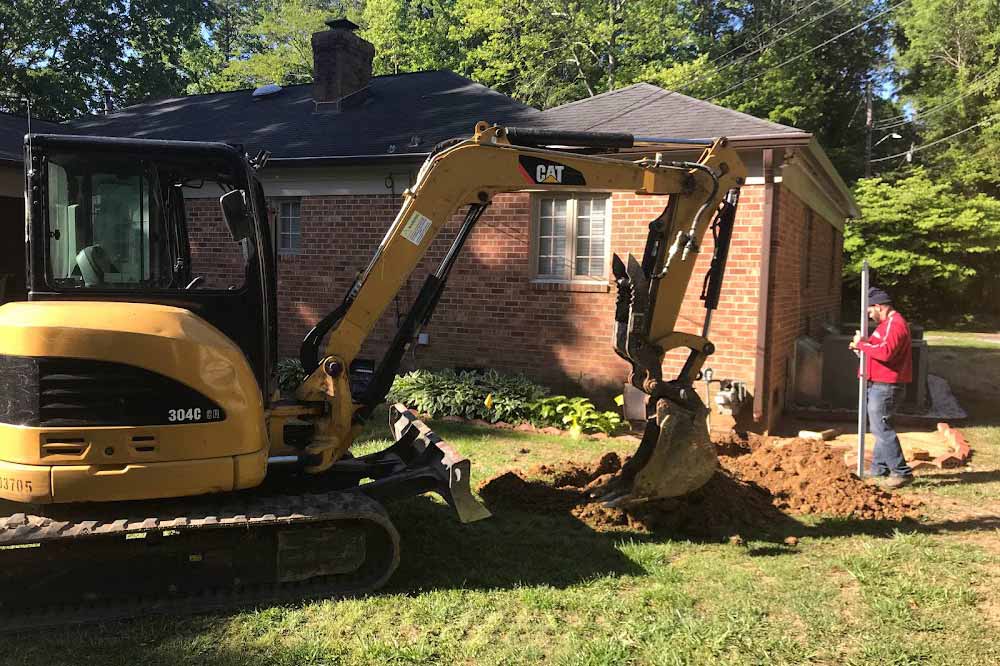
Even without formal plans, you can assemble useful information about your property. Gather any surveys, soil reports, or previous drawings. Sketch where you think buildings, driveways, and outdoor areas will go. Take photos of slopes, wet spots, tree lines, and access points. Note anything you suspect might complicate work, such as steep banks, neighboring structures, or limited road frontage. Then, make a short list of what you do not know yet, like where existing utilities run or how drainage behaves in a major storm. Discussing both the knowns and unknowns with a site development contractor leads to more realistic scope and fewer assumptions.

3. Understand the main building blocks of site development

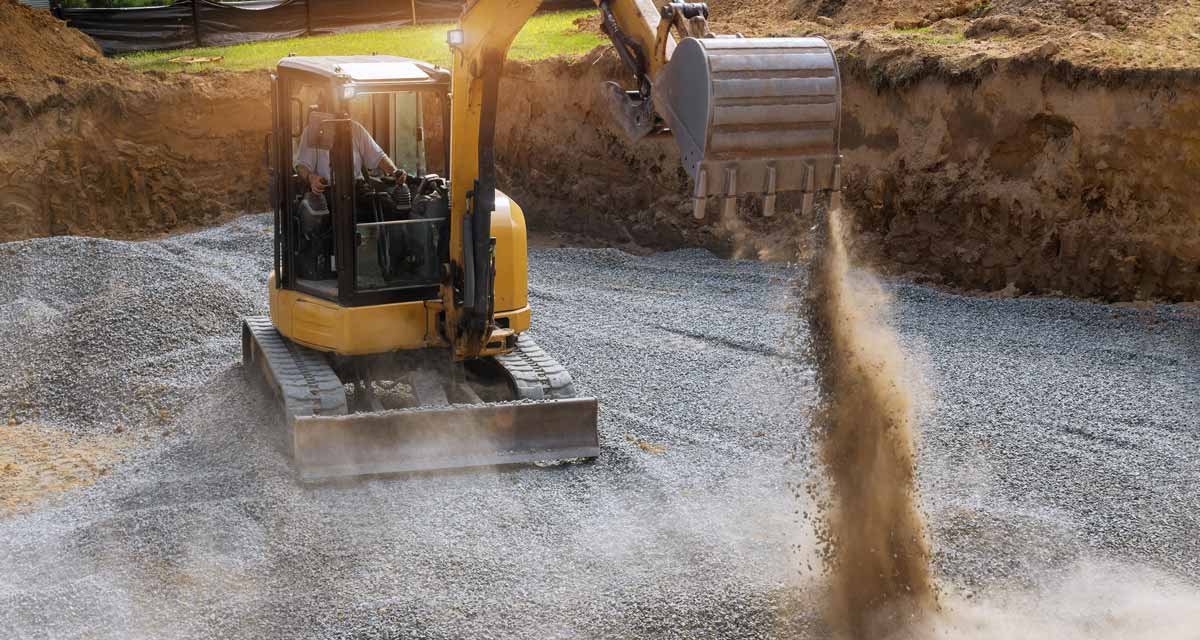
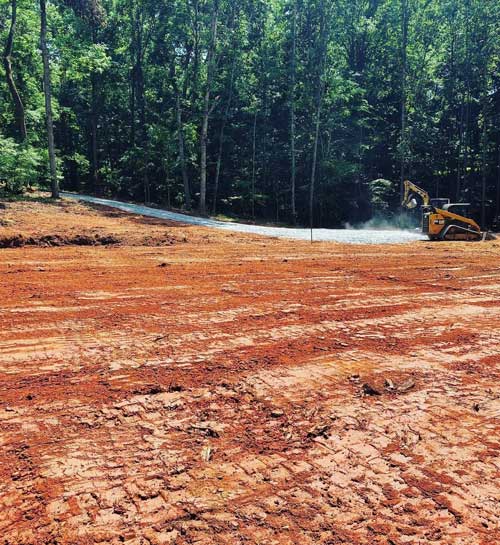
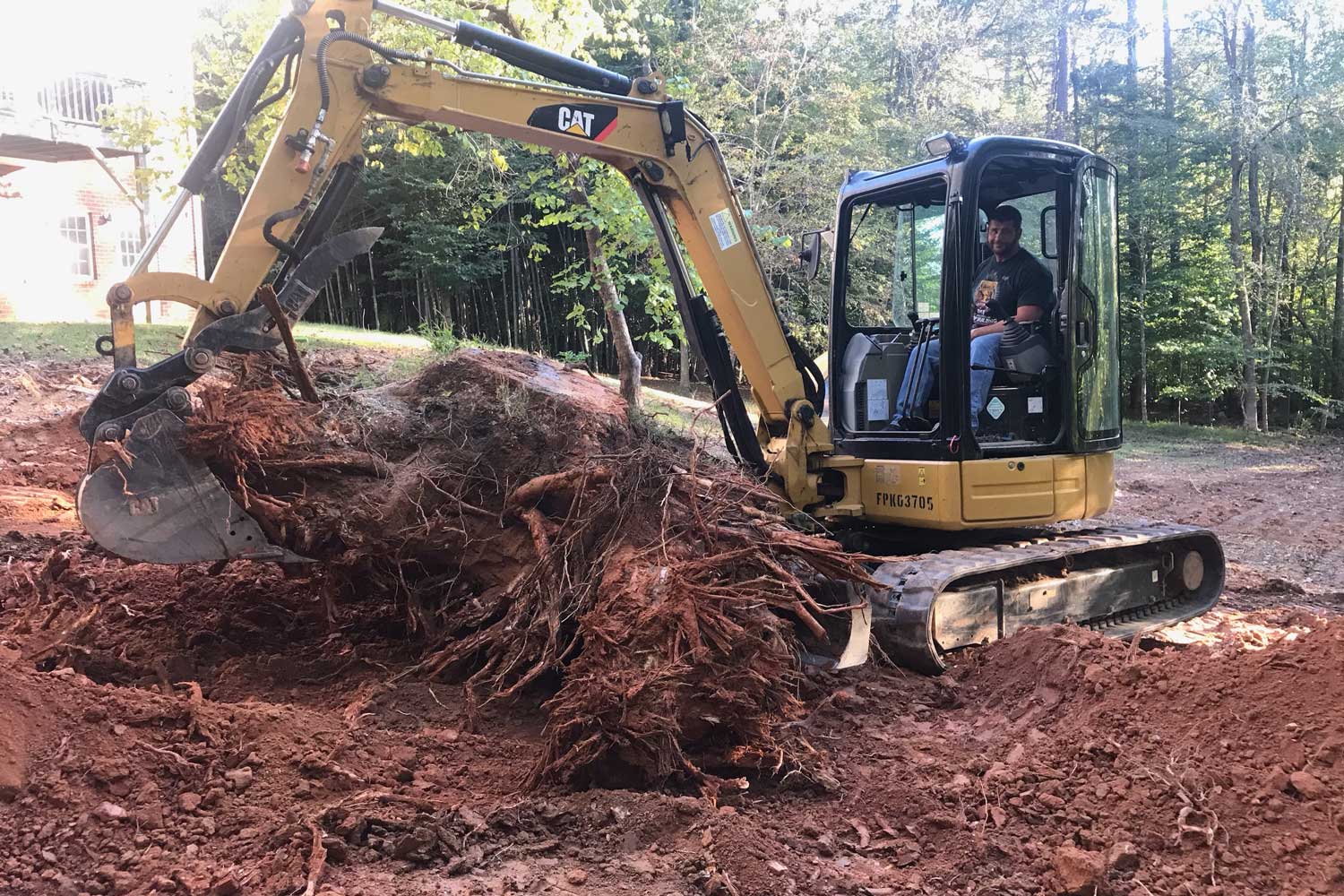
Most site development projects, whether residential or commercial, revolve around several core elements. Land clearing removes trees, brush, and unwanted structures to open up the workable area. Grading shapes and levels the ground to match your building elevations and manage water flow. Drainage work, surface and sometimes subsurface, directs water away from structures and sensitive areas. Underground utility installation places water, sewer, and other lines at the right depth and location so they tie cleanly into your building plans. Knowing these building blocks helps you spot what is missing or vague in a proposal and ask sharper questions about each piece.

Decision guide

Turning what you’ve learned into a confident decision

Once you understand your site, your goals, and the basics of site development, it is time to choose scope and a contractor. These sections help you translate that planning into a clear, confident choice.

Clarify your non-negotiables, trade-offs, and nice-to-haves

Every project balances cost, schedule, performance, and appearance. Decide what is non-negotiable for you. For many owners, keeping water away from foundations and driveways is a must. Others are driven by a tight move-in date, or by maintaining mature trees where possible. List your non-negotiables, then the areas where you can be flexible. For example, you may accept a longer schedule if it allows for better drainage work, or a simpler driveway now with room to upgrade later. Share this priority list with each contractor and see how they propose handling trade-offs. The proposals that reflect your priorities in writing are usually the stronger fits.

Test each proposal against your written goals

Once you receive site development proposals, do not compare them only on price. Put your property goals and priorities on one side of a sheet and walk through each proposal line by line. Does the land clearing scope clearly reference the areas you expect to be opened up? Does grading tie back to specific elevations or just say grade as needed? Are drainage and utilities described in enough detail that you can picture how water and services will move through your site? Are assumptions, exclusions, and responsibilities spelled out? Proposals that tie their language to your drawings, survey, and written goals provide a clearer path to the result you want.

Check fit: experience, process, and communication style

Beyond scope, you are choosing a team you will work with through a disruptive part of the project. Ask each contractor about their experience with properties similar in size, slope, and use to yours. Have they combined land clearing, grading, drainage, and underground utilities on single projects, or do they focus narrowly on one task? Ask how they sequence work, how often you will receive updates, and who your main point of contact will be. Notice how they explain things, in plain language tied to your property or in vague generalities. A contractor with clear answers, relevant past work, and a straightforward explanation of process tends to be easier to trust under pressure.

Address risk and what-if scenarios before you sign

Site work often involves hidden conditions such as soft soils, buried debris, or unknown utilities that can affect cost and schedule. Ask how each contractor handles surprises. How are unforeseen conditions identified? Who decides on changes? How are you notified and how is additional work priced? Clarify whether rock, unsuitable soils, or extra hauling are included or treated as contingencies. Also review how weather delays are handled and what protections are in place for erosion control. A written agreement that addresses these what-if situations does more than protect you; it shows that the contractor has thought carefully about managing real-world risk on your site.

Evidence and expectations

Experience and proof that matter for site development

On paper, many contractors can list similar services. The difference is whether they have a track record with work like yours and a process that protects you from surprises. Here is how Apex backs up its claims and how you can evaluate any contractor you are considering.

Experience across full site development scope

Apex Excavating & Construction Services specializes in residential and commercial site development, excavation, and grading, backed by over 30 years of experience. That experience matters when your project needs more than a single task. Preparing land for construction often involves coordinating land clearing, precise grading, drainage improvements, and underground utilities so that each element supports the next. A contractor with decades in this combined work is positioned to spot conflicts between your plans and real-world site conditions early, suggest practical adjustments, and deliver a build-ready site rather than a patchwork of separate jobs.

Integrated services for build-ready sites

The company’s services span land clearing, grading and leveling, drainage solutions, underground utility installation, and broader site development work. For many owners, that means a single contractor can handle the full path from overgrown or uneven land to a property that is ready for foundations, driveways, and structures. When the same team plans and performs multiple parts of the site work, it can align grades with drainage goals, route utilities in coordination with future buildings and pavements, and manage scheduling so one phase does not undo another. As you compare options, consider whether having integrated services under one provider will simplify your project management.

Local operations focused on the Triad

Apex operates from Stokesdale, NC and serves residential and commercial clients across Greensboro, Forsyth County, and the broader Triad area. The company positions its equipment, crews, and scheduling around Triad communities, coordinating excavation and related site work for property owners, builders, and developers within this service area. When you speak with Apex or any other contractor, asking about recent projects in your part of the Triad and how they were coordinated can give you a clearer picture of what to expect on your own site.

Main website image
Main website image
Local context · Stokesdale, NC

How site development decisions play out in the Triad

Site development always has a local dimension. Around Greensboro, Stokesdale, Forsyth County, and the broader Triad, your contractor’s service area and base of operations affect how smoothly your project runs. Apex Excavating & Construction Services is based in Stokesdale, NC and provides excavation and related site work for residential and commercial projects in Greensboro, Forsyth County, and across the Triad. For owners and developers in these communities, that means site development work such as land clearing, grading, drainage, and underground utilities can be coordinated from nearby operations rather than from a distant market. When you talk with potential contractors in the Triad, ask where they are based, which nearby communities they regularly serve, and how they organize equipment and crews for projects in your area. Answers to those questions help you understand how easily they can visit your property, respond during the job, and coordinate site work with the rest of your construction schedule.

Questions worth asking

Site development questions property owners often ask

As soon as you start planning real site work, the same practical questions tend to come up. These answers focus on timing, information, and scope so you can approach site development discussions with more clarity.

How early should I contact a site development contractor in the Triad?

You do not need fully engineered plans to start a conversation. It is wise to reach out as soon as you have a basic layout for your building, driveway, and primary outdoor areas, along with any firm timing requirements such as a closing date or lease start. An early call lets a contractor review your survey if you have one, look at preliminary sketches or concepts, and flag potential access, grading, or drainage challenges before your plans are locked in. That early feedback can reduce redesign and rework later and gives you more flexibility in scheduling the work.

What information should I have ready before I ask for a site development quote?

You will get a much more accurate quote if you prepare a small package of information. At a minimum, have your property address, any available survey or plat, a rough sketch showing building and driveway locations, notes on where existing utilities enter the site, and photos of key areas such as slopes, wet spots, and access points. Be upfront about your desired timeline and any constraints, like keeping part of the property in use during construction. This level of detail helps a contractor estimate land clearing, grading, drainage, and utilities on your specific site instead of giving you a generic ballpark that may change later.

How can I tell if drainage is being handled properly in a site development plan?

Look for more than a single line item labeled drainage. A solid site development plan will explain how water will move across and through your property once grading is complete. That may include descriptions or drawings of swales, ditches, culverts, or underground drainage features, along with how finished grades protect building foundations, driveways, and neighboring properties. Ask the contractor to walk you through how water will behave during a heavy rain and to point out any areas that are particularly sensitive. If the explanation is vague or relies on we will see how it goes, you may need more detail before you are comfortable proceeding.

What if my project only needs part of the full site development scope?

Not every project needs the entire bundle of land clearing, grading, drainage work, and underground utilities at once. Some properties only require targeted grading corrections or improved drainage around existing structures. Others already have utilities in place but need clearing and access paths for new buildings. Discuss your situation openly with potential contractors and ask them to explain which services they recommend now, which can wait, and how phasing would work on your site. A contractor who can explain different scope options clearly gives you more control over how the work is sequenced and budgeted.

How do I compare a cheaper site work bid to a more detailed, higher-priced one?

Start by lining the proposals up side by side and marking where the scopes differ. Often, a lower bid leaves certain tasks loosely described or excluded, while a higher bid spells out grading tolerances, specific drainage features, debris hauling, or restoration work. Ask each contractor clarifying questions in writing: exactly what areas are included, how the site will be left when they are done, how utilities will be coordinated, and how they handle surprises. You may find that a more expensive proposal actually covers more work or more risk. Once scopes are aligned as closely as possible, you can make a cleaner judgment about value rather than just the initial number.

Your next step

Ready to talk through your site development options?

If you have drawings in hand or are still early in planning, a focused conversation can clarify which site development approach fits you best. Apex Excavating & Construction Services provides land clearing, grading, drainage solutions, and underground utility installation as part of residential and commercial site development in the Greensboro area. Share your property address, any plans or sketches, and what you want the site to be able to handle when the work is done. From there, you can discuss scope, timing, and risks in plain language instead of guessing. Call 336-314-0272 or reach out through the Contact page to start that conversation on your schedule.

Main website image